On this page
What chase cover replacement is and what it involves
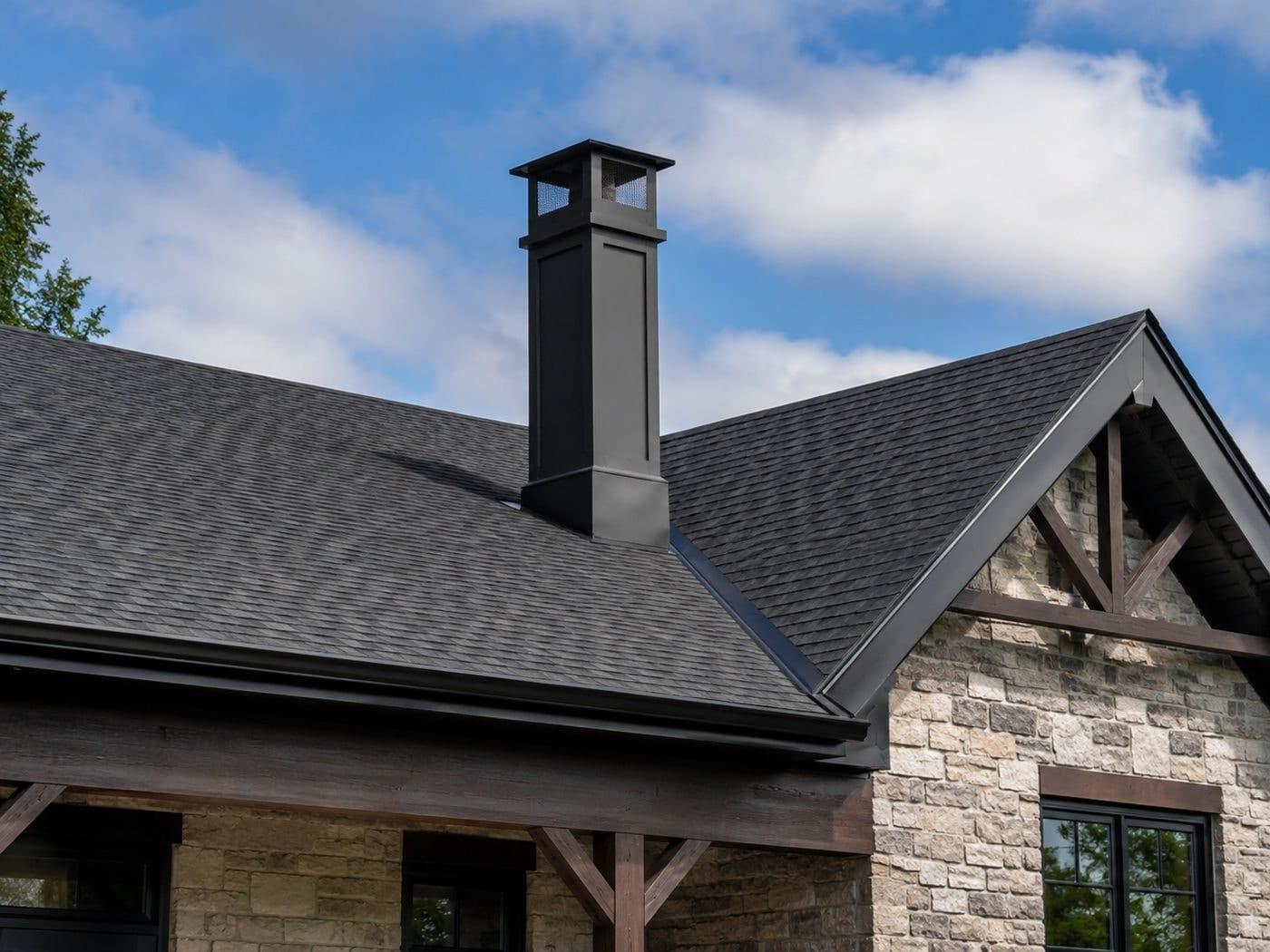
Many fireplaces are factory-built units with a metal flue pipe that runs up through a wood-framed box, called a chase, sided to match the house. The chase cover is the sheet-metal panel that caps the top of that box. It has a raised collar where the flue pipe passes through, and a chimney cap sits on top of the flue. The cover keeps rain, snowmelt and debris out of the chase. The cap keeps them out of the flue.

Replacement means taking off the old cover and installing a new one sized to the exact width and depth of your chase top. A well-made replacement is shaped so water runs off instead of sitting on top. It also has a skirt that overlaps the siding with a drip edge, and a sealed collar around the flue. If you have a masonry chimney, you don't have a chase cover. Masonry chimneys have a concrete or mortar crown, which is a different repair.
Signs your chase cover needs replacing
Common reasons homeowners call
- Rust-colored streaks running down the siding of the chase
- A cover that looks dished, sagging or flat, with water pooling on it
- Rust spots, pinholes or rust-through visible on the metal
- Water stains on the ceiling or wall near the fireplace
- Dripping or dampness inside the firebox after rain
- Soft, swollen or discolored siding or trim on the chase
- Gaps, cracked sealant or a loose collar around the flue pipe
- A cover that has lifted, bent or blown loose after high wind
Light surface rust on an otherwise sound cover can sometimes be handled with a repair. Once the metal has rusted through, holds standing water or has warped out of shape, a new cover is usually the more lasting fix. If water has been getting in for a while, the framing and sheathing under the cover may also need attention. That work falls under prefab chimney and chase repair.
Stay off the roof
Chase tops are often at the highest, steepest point of the roof. You can usually spot rust streaks and a sagging cover from the ground or through binoculars. Leave the close-up check to someone with the right ladders and fall protection.
What the visit involves, step by step
How a chase cover replacement typically goes
Look it over
We check the existing cover, the flue collar, the chimney cap and the top of the chase siding. We look for where water has been getting in.
Check underneath
With the old cover off, we inspect the top of the framing and sheathing for rot or water damage. We tell you what we find before going further.
Measure the chase and flue
We take exact measurements of the chase top and the flue pipe. The new cover has to fit snugly and overlap the siding on every side.
Fit the new cover
The replacement goes on shaped to shed water, with a skirt and drip edge that carry runoff past the siding instead of behind it.
Seal the flue collar
We seal the joint where the flue passes through the cover and fit a storm collar where needed, since this is a common leak point.
Cap the flue
We reinstall the chimney cap if it's in good shape, or replace it if it's rusted or no longer fits the new collar.
Cover materials and how they hold up
| Material | What to know |
|---|---|
| Galvanized steel | Common on original builder-installed covers. Once the coating wears through, it tends to rust and stain the siding. |
| Stainless steel | Resists rust much better than galvanized, which is why it's often chosen for replacements. |
| Copper | Long-lasting and weathers to a patina. It's usually picked for appearance and costs more to make. |
Shape matters as much as metal. A cover with crimps or a raised center sheds water, while a flat cover tends to collect it. The cap on the flue is the other half of keeping weather out. If yours is missing or damaged, it can be handled with chimney cap installation during the same visit.
Keeping the new cover working
After replacement, glance at the chase top from the ground now and then, especially after storms. Look for new rust streaks, a lifted edge or debris piled on top. Keep tree branches trimmed back from the chase. If you notice leaks at the chimney that don't seem to come from the top, such as at the roof line, our chimney repair service covers flashing and other leak sources.
Booking a chase cover replacement
Get in touch to request an estimate and describe what you're seeing: rust streaks, ceiling stains, water in the firebox or a cover that looks bent. Photos taken from the ground help.