
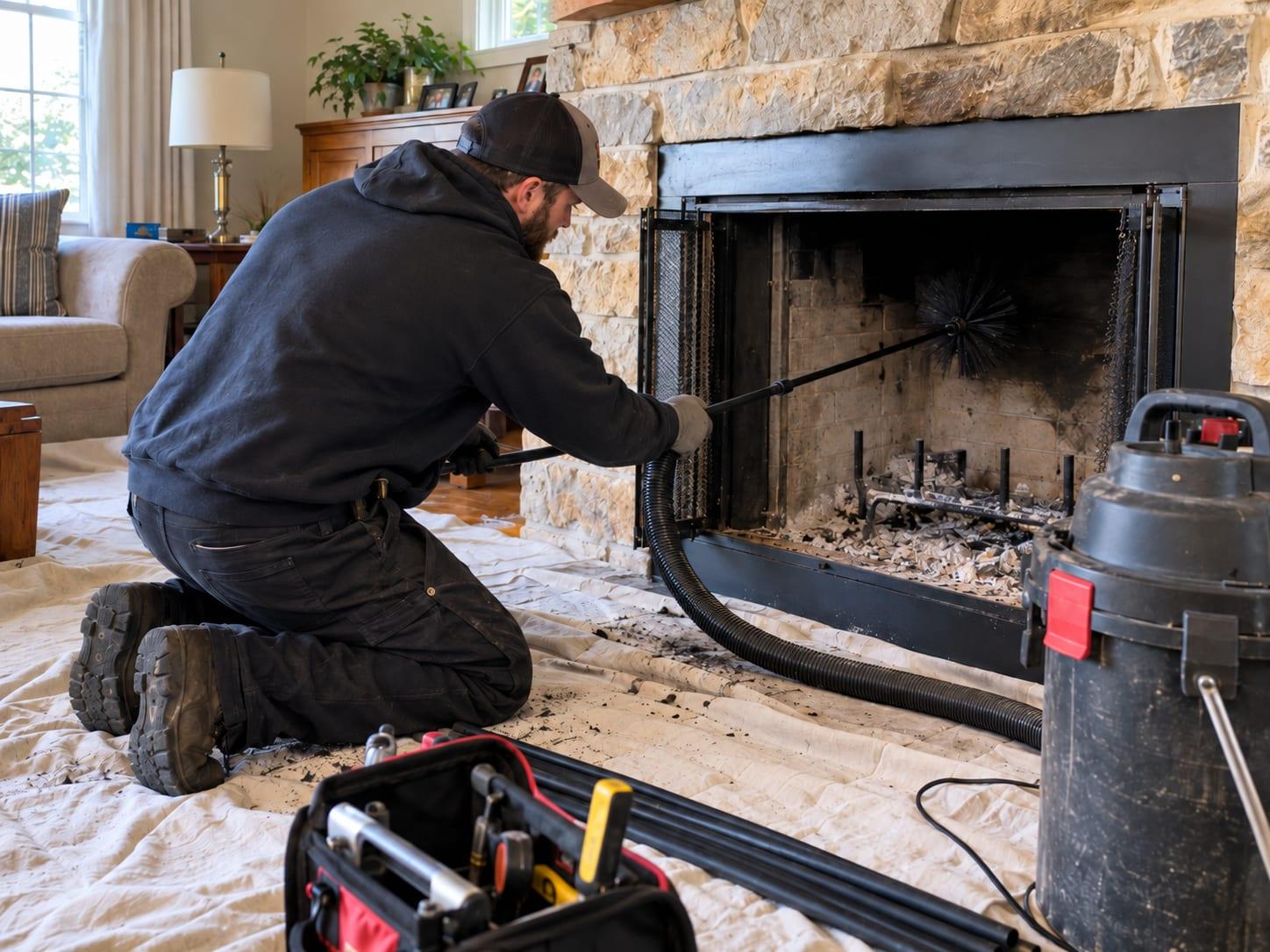
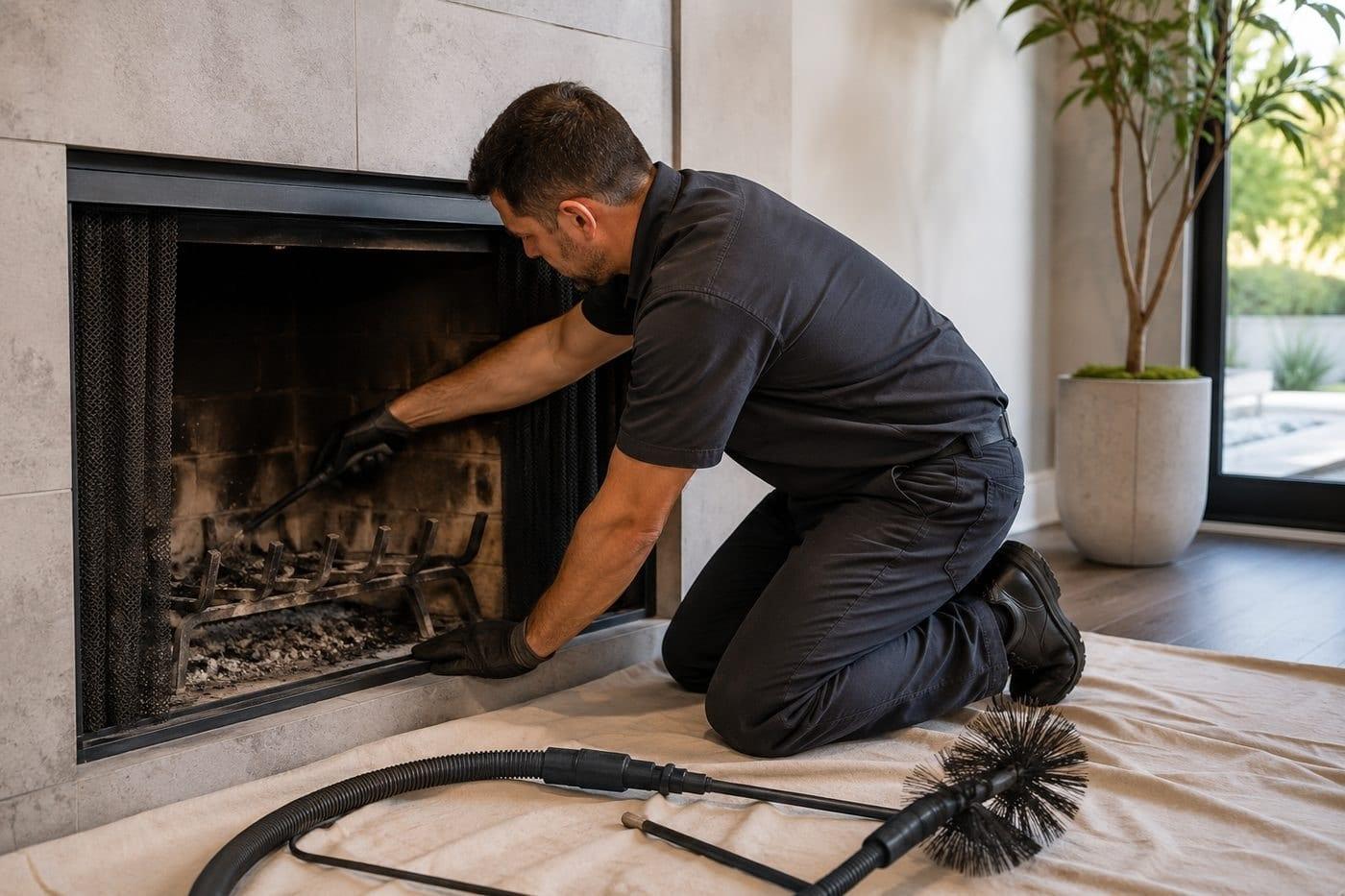
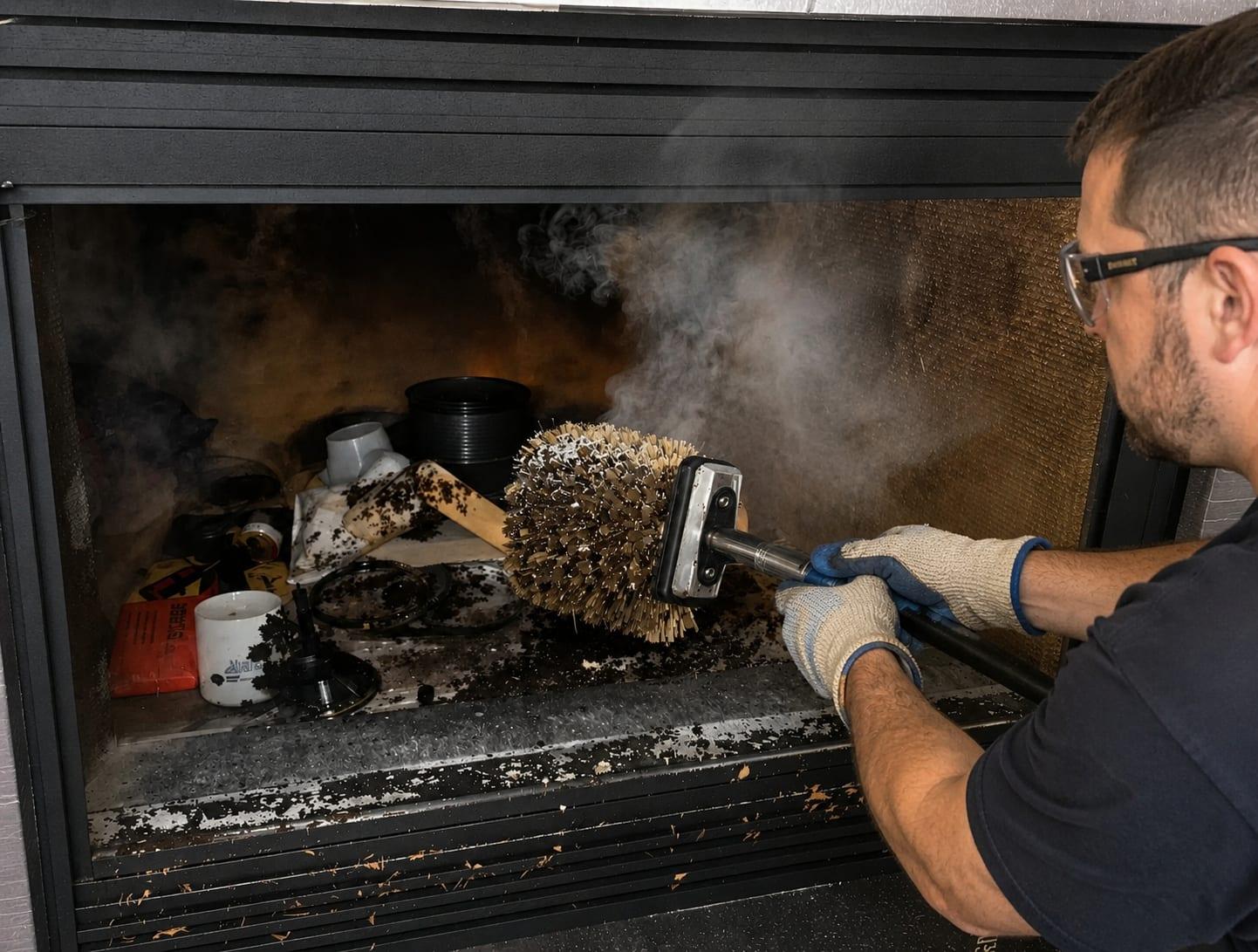
Chimney services Palo Alto homes can book
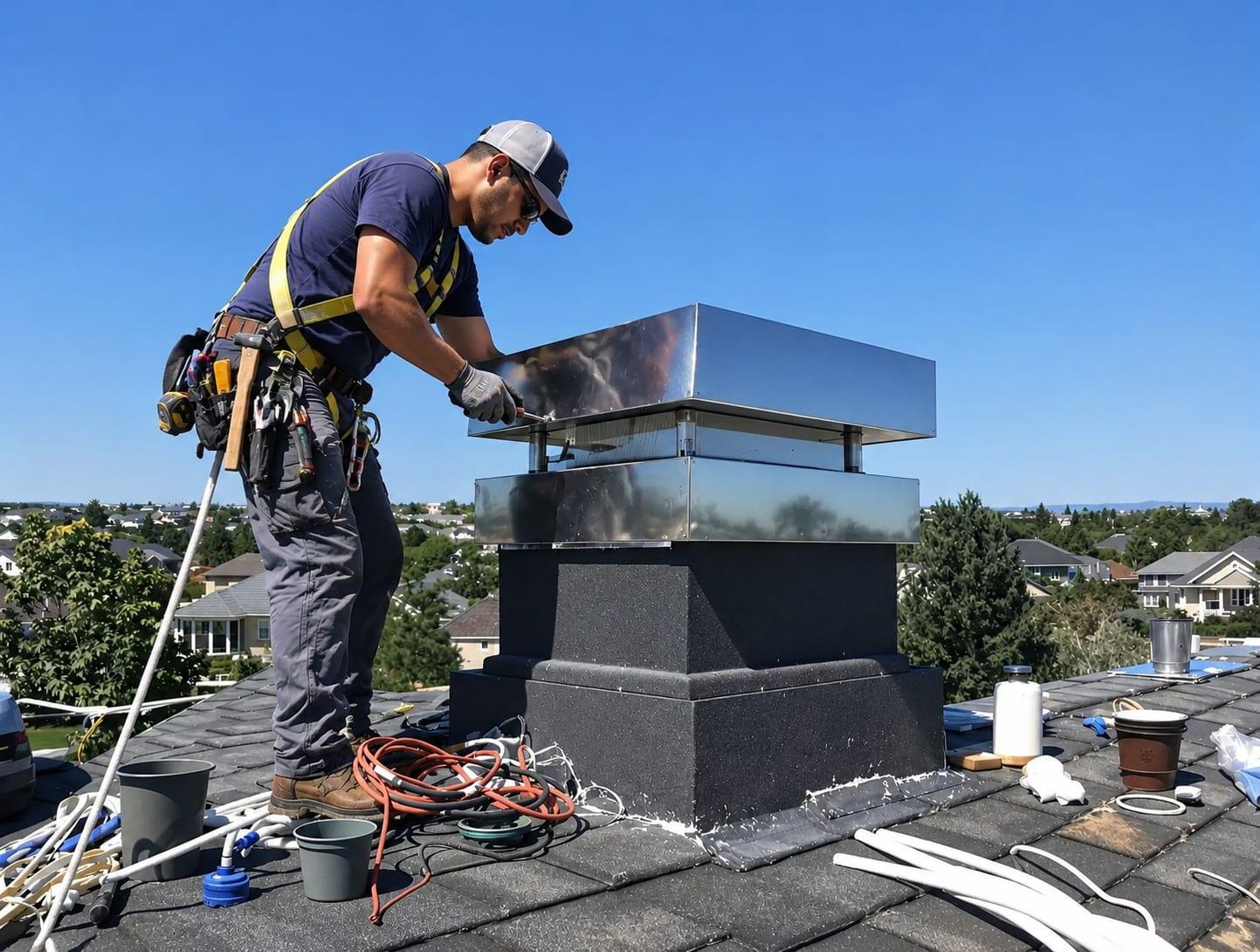
Routine upkeep is available, from a chimney sweep for your home to a new chimney cap. Larger jobs are also available, including masonry and leak repairs, fireplace and gas appliance work, and dryer vent cleaning and rerouting.
What the city's own rules and records mean for your chimney
A housing stock that dates to the 1950s
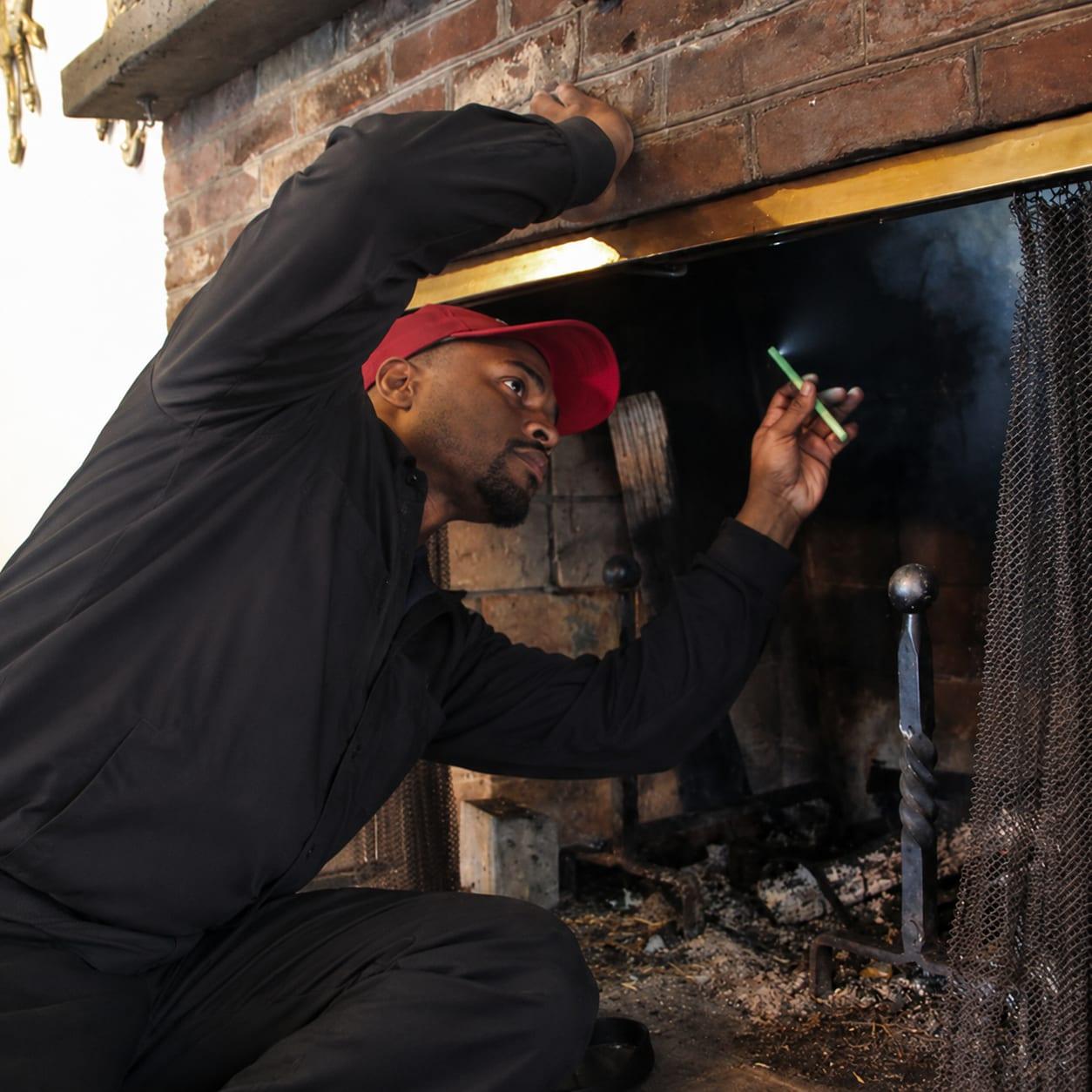
The city's 2015-2023 Housing Element, adopted by the City Council on Nov. 10, 2014, reports a median construction year of 1955 for the city's housing, with roughly 53 percent of units built before 1959. If your chimney is original to the house, it has likely been in service for decades. Mortar joints, crowns, dampers and flue tiles wear with heat and weather, so a chimney that age deserves a close look before heavy use or a sale. A professional chimney inspection shows what condition it is actually in.
New fireplaces must burn gas
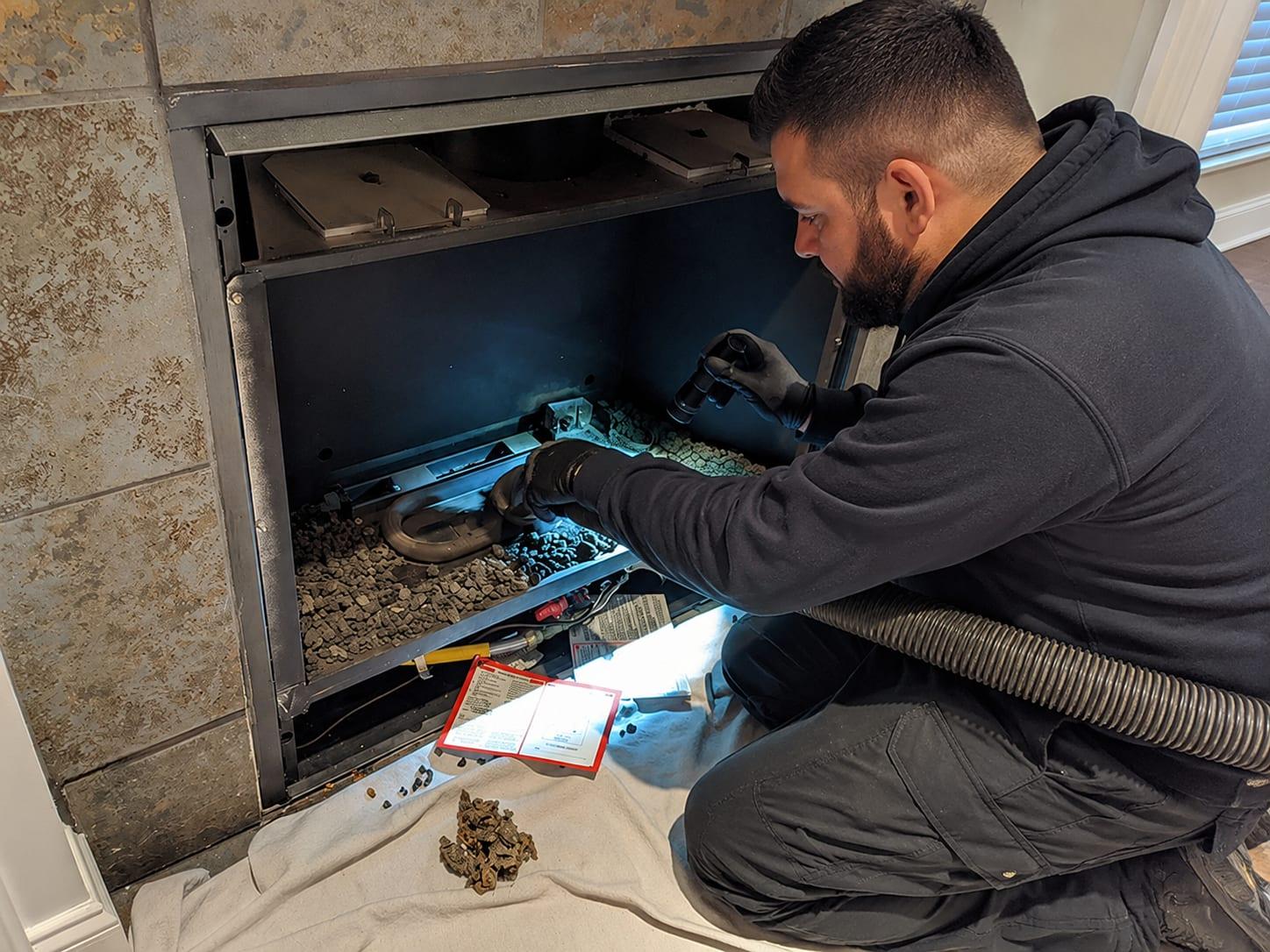
The city Development Center's Residential Construction Guide (7-2020) states that a city ordinance prohibits installing new wood-burning fireplaces and wood stoves, and that all new fireplaces must be approved gas-burning appliances. If you plan to add a fireplace, that settles the fuel question at the start. Planning begins with fireplace installation for your home. For the appliance and its venting, read how gas fireplace installation works.
Pressure tests and sealed-combustion requirements
The Factory Built Fireplace and Hearth inspection guideline from the city's Development Services requires gas piping to hold a pressure test of at least 10 psi for 15 minutes. It also notes that a whole-house gas test is required at final inspection. The same guideline states that any installed gas fireplace must be a direct-vent sealed-combustion type. A direct-vent unit takes combustion air from outdoors and exhausts outdoors through a sealed vent instead of drawing air from the room. That requirement narrows your choice of units before style or size come into it. The gas line work should also be planned around both tests.
Chimney work the city inspects before it is covered
The Residential Construction Guide (7-2020) also requires that all flues, vents, heating ducts and chimneys be inspected and approved by city building inspection after installation and before they are covered up. If a remodel includes a new flue run or a chimney inside a framed chase, the surrounding walls, ceilings or chase siding stay open until that approval comes through. Build that step into the schedule.
Rebuilding above the fireplace shoulders
The Development Services inspection guideline for a Fireplace Chimney Transition Frame requires a city-approved, stamped engineered detail of the framing and bracing method. That detail includes the chimney's allowable maximum height above the fireplace shoulders. The guideline lists chimney flue liners as not allowed for this work and requires the chimney to be removed to the fireplace shoulders. In practice, relining the old stack is not part of this kind of project. The masonry comes down to the shoulders, and the new framing follows the engineered detail. Know this before you weigh a full chimney rebuild against other options.
Planning a new roof or a reroof?
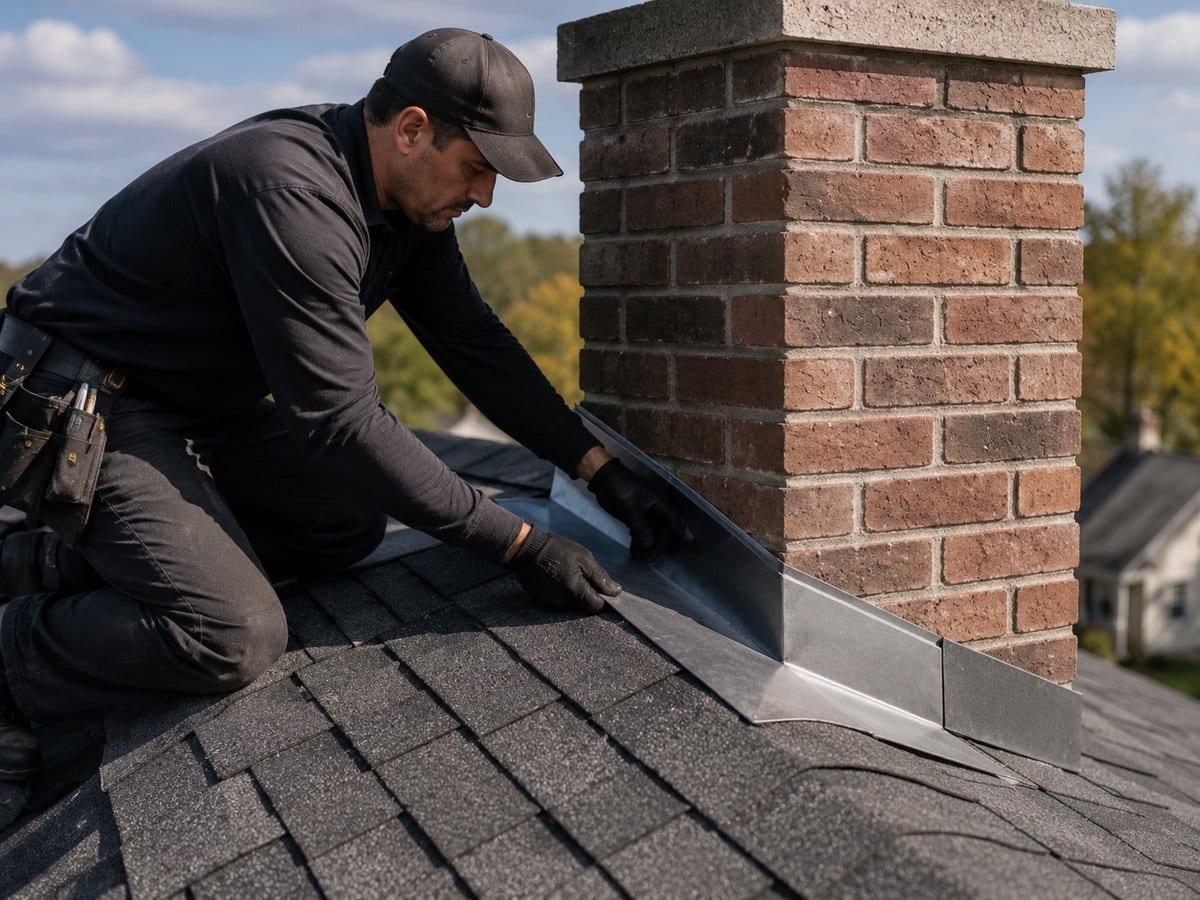
The city's Roofing (New and Reroofs) inspection guideline from Development Services states that when inspection finds an existing fireplace chimney unsafe, it must be repaired, rebuilt or replaced with an approved factory-built chimney. A chimney in poor shape can turn from a someday project into required work in the middle of a roof job. Have it checked before the roofers start, and arrange chimney repair work if it needs it.
Multifamily buildings and the daylight plane
City Ordinance No. 5554 (2022, Title 18 zoning amendments) lets chimneys and flues up to 5 feet wide extend beyond the daylight plane in the city's multiple-family (RM) districts. That allowance stays within limits set by the building code chapter. It matters to owners and managers of buildings in those districts whenever a chimney or flue would otherwise pass through that zoning limit.
Sources (12)
Facts and figures on this page come from these references.
- 1City of Palo Alto - 2015-2023 Housing Element (Council adopted Nov. 10, 2014)
- 2U.S. Census Bureau, American Community Survey 2019–2023 5-year estimates, table B25034 (Year Structure Built)
- 3City of Palo Alto Development Center - Residential Construction Guide (7-2020); City of Palo Alto Development Services - Inspection Guidelines: Fireplace Chimney Transition Frame; City of Palo Alto - Ordinance No. 5554 (Title 18 zoning amendments); City of Palo Alto Development Services - Inspection Guidelines: Roofing (New and Reroofs)
- 4City of Palo Alto Development Services - Inspection Guidelines: Factory Built Fireplace and Hearth
- 5City of Palo Alto Development Services - Inspection Guidelines: Fireplace Chimney Transition Frame; City of Palo Alto Development Services - Inspection Guidelines: Roofing (New and Reroofs)
- 6City of Palo Alto Development Services - Inspection Guidelines: Fireplace Chimney Transition Frame
- 7City of Palo Alto Development Services - Inspection Guidelines: Roofing (New and Reroofs)
- 8City of Palo Alto Development Center - Residential Construction Guide (7-2020); City of Palo Alto Development Services - Inspection Guidelines: Fireplace Chimney Transition Frame
- 9City of Palo Alto Development Center - Residential Construction Guide (7-2020)
- 10residential construction guide 7.1.20
- 11City of Palo Alto - Ordinance No. 5566, Chapter 16.06 California Residential Code 2022 local amendments; City of Palo Alto Development Services - Inspection Guidelines: Fireplace Chimney Transition Frame
- 12City of Palo Alto - Ordinance No. 5566, Chapter 16.06 California Residential Code 2022 local amendments