Chimney rebuild in brief
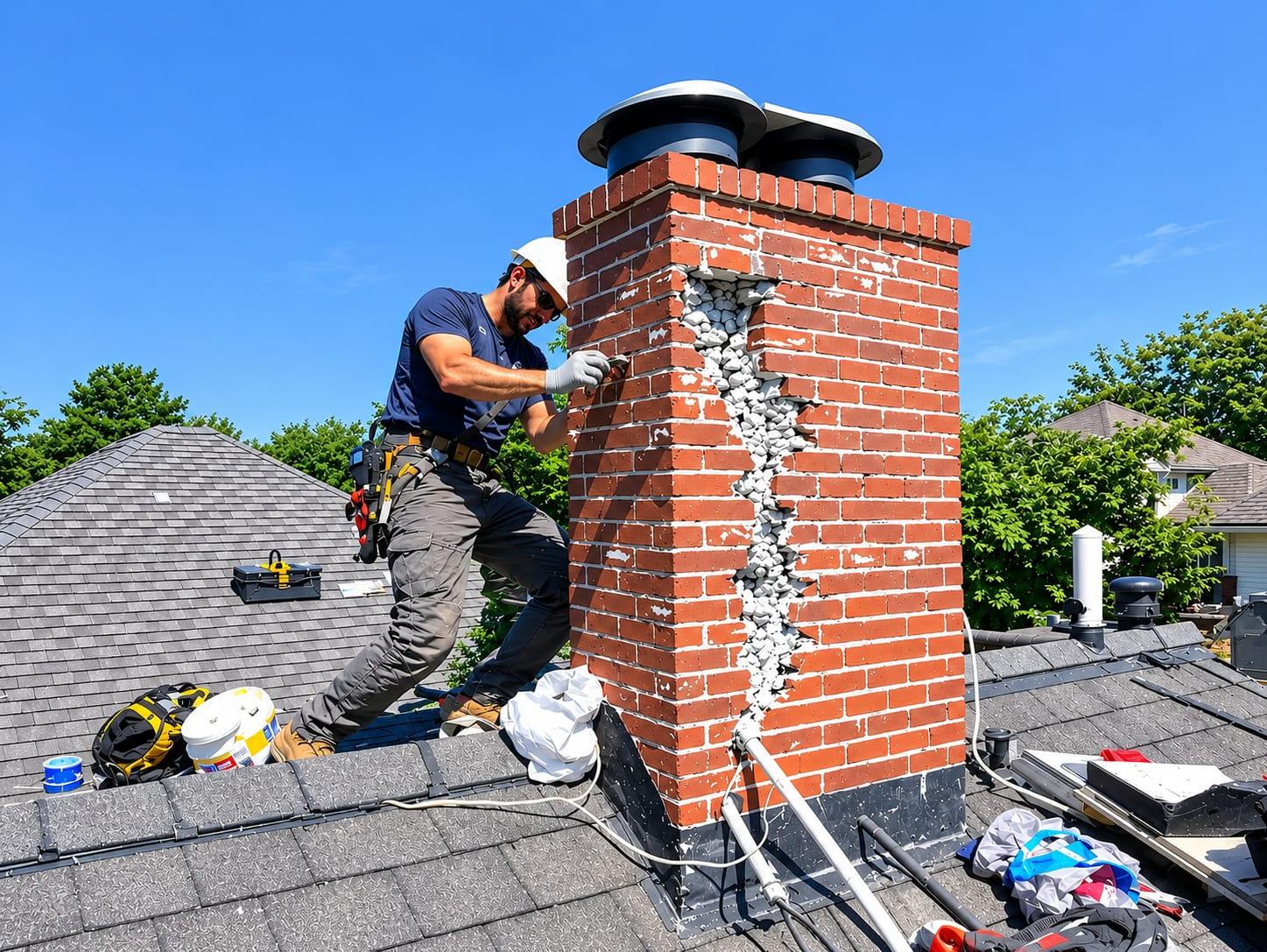
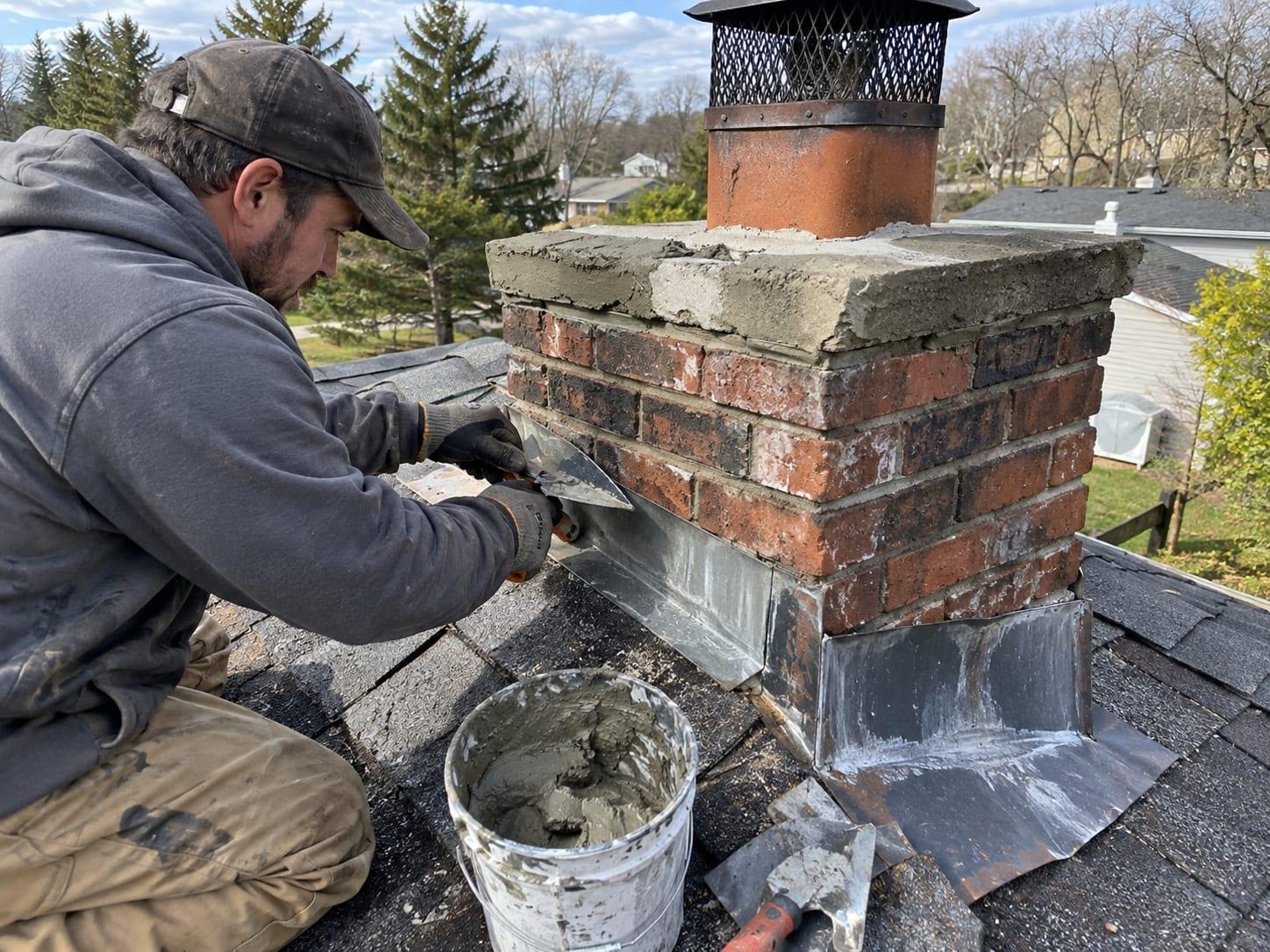
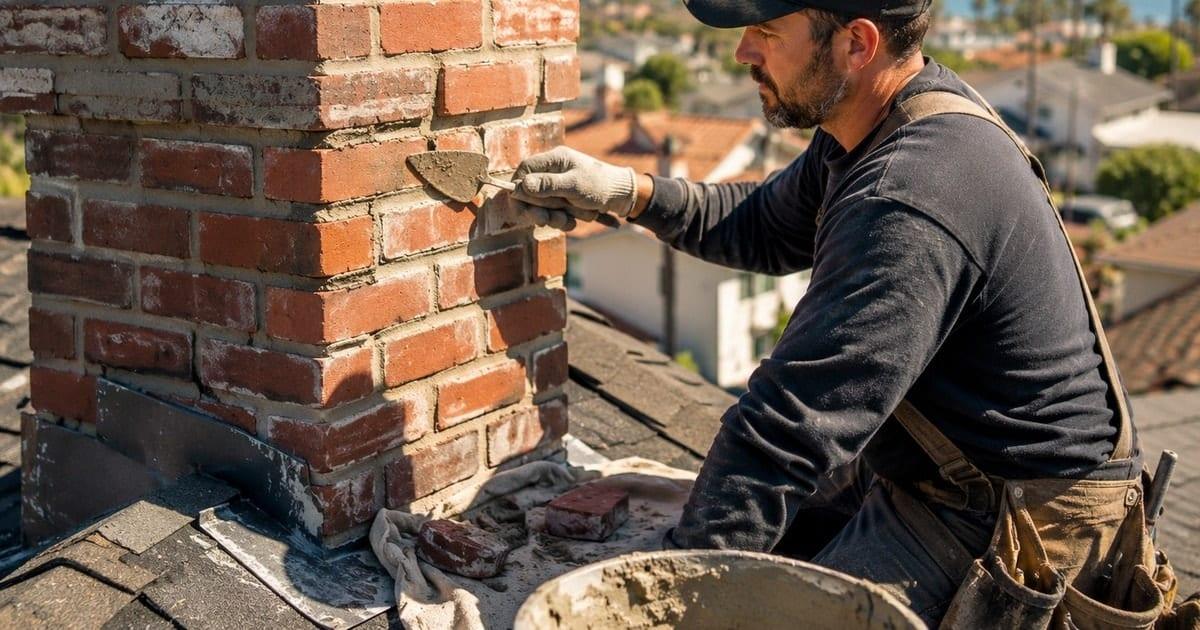
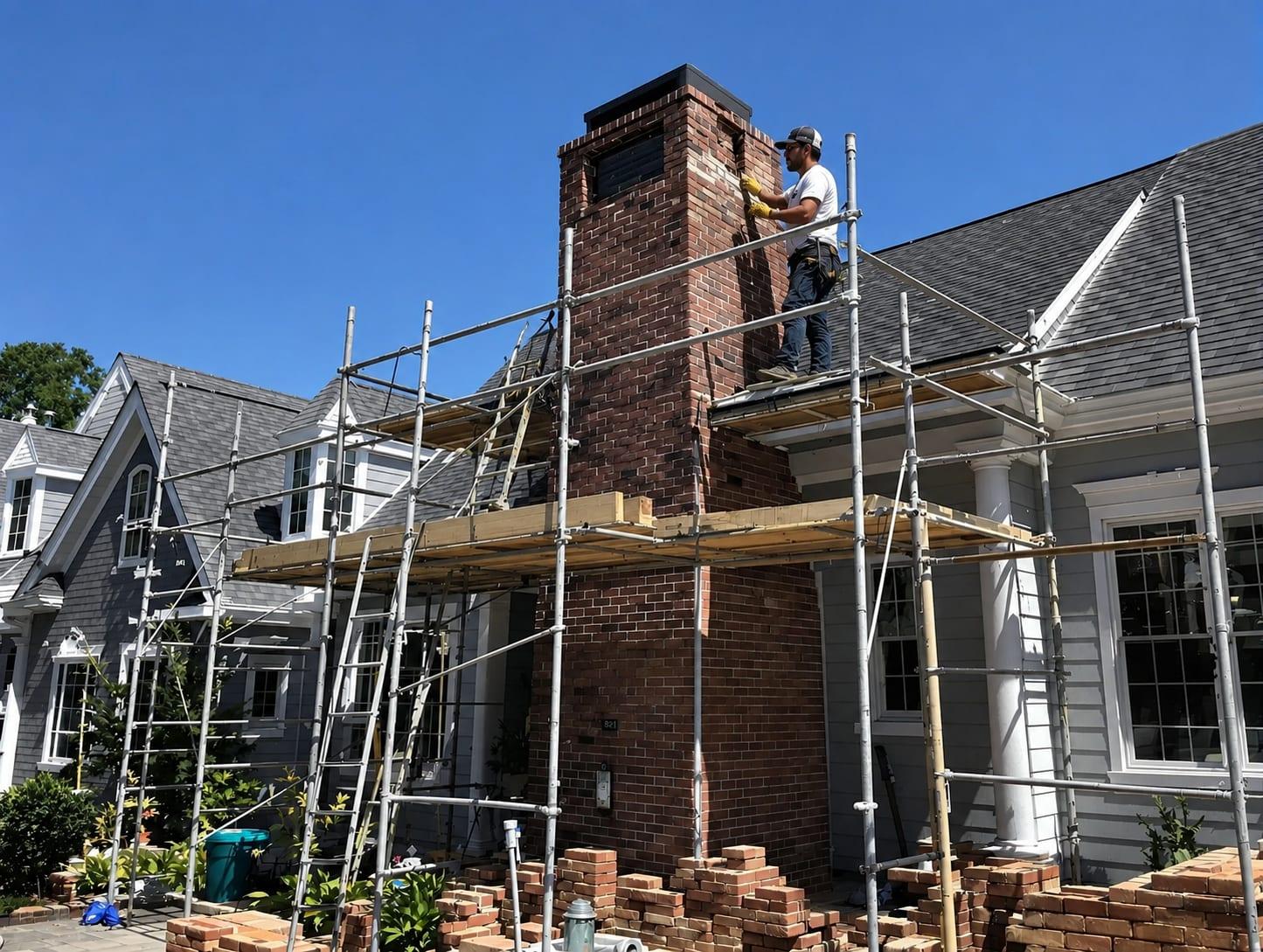
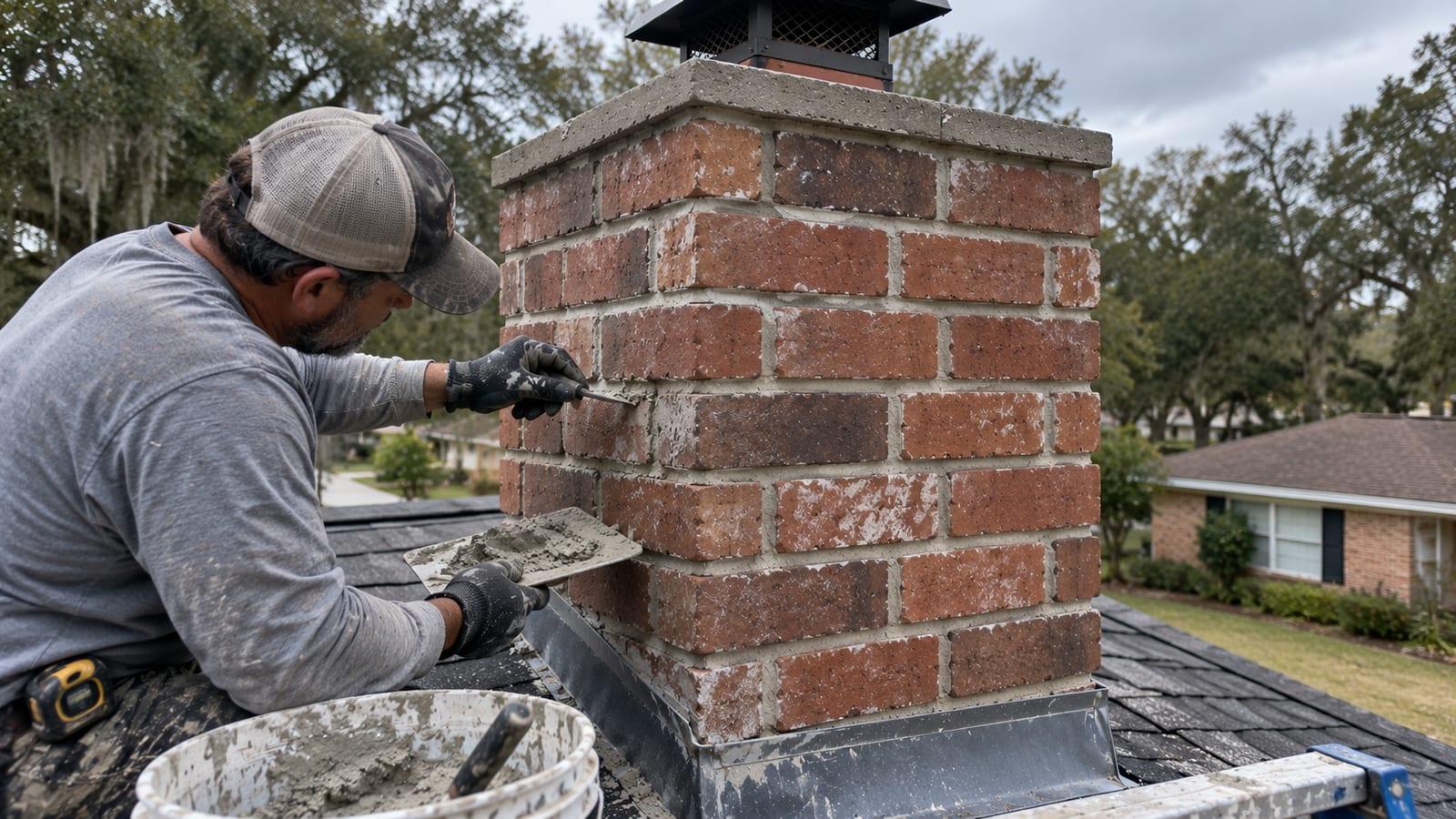
A chimney rebuild replaces masonry that can no longer be repaired. The damaged section is taken down, often to the roofline and sometimes lower, until the remaining brick is solid. The chimney is then rebuilt with new brick and mortar, a new crown, and properly integrated flashing. The scope depends on how far the damage goes. It can be a few courses at the top or the full exposed stack. For the steps, materials and what to expect on the day, read how chimney rebuild works.
What affects chimney rebuild in Santa Cruz
- About 39% of the housing units in Santa Cruz were built before 1960, and about 20% in 1939 or earlier. Source: U.S. Census Bureau, American Community Survey 2019–2023 5-year estimates, table B25034 (Year Structure Built).
- The City of Santa Cruz's Historic Design Guidelines page sets out Section 24.08.930, under which the Historic Preservation Commission or Zoning Administrator must make specified findings before approving a City Historic Alteration Permit. The City of Santa Cruz states that the Downtown Neighborhood District and the Mission Hill District are Santa Cruz City Historic Districts as well as National Register historic districts. The City of Santa Cruz states that city planning staff review proposed significant alterations, demolition, or redevelopment of Santa Cruz properties or structures over 50 years old that are not listed in the city's Historic Building Survey. Source: City of Santa Cruz Planning — Historic Design Guidelines; City of Santa Cruz Planning — Historic Districts; City of Santa Cruz Planning — Historic Preservation Review.
- The City of Santa Cruz Fire Department's wildfire page publishes city WUI maps for determining whether a property is in a WUI zone, references a locally established high fire hazard severity zone, and cites Santa Cruz Municipal Code 19.05.270 on requirements for wildland-urban interface fire areas. Source: City of Santa Cruz Fire Department — Reducing Wildfire Risks.
Historic review rules that can affect a rebuild
A rebuild takes the chimney down and puts it back up, so it can fall under the city's historic review. The City of Santa Cruz's planning pages describe three relevant rules.
- Historic Alteration Permits: The city's Historic Design Guidelines page sets out Section 24.08.930. Under that section, the Historic Preservation Commission or Zoning Administrator must make specified findings before approving a City Historic Alteration Permit. (Source: city Planning, Historic Design Guidelines page)
- Historic districts: The city states that the Downtown Neighborhood District and the Mission Hill District are City Historic Districts as well as National Register historic districts. (Source: city Planning, Historic Districts page)
- Older structures not in the survey: The city states that planning staff review proposed significant alterations, demolition, or redevelopment of local properties or structures more than half a century old that are not listed in the city's Historic Building Survey. (Source: city Planning, Historic Preservation Review page)
What that changes about planning the job
These rules matter if your home is in one of those districts or is more than half a century old. If either describes your property, contact city planning before the old chimney comes down. Ask whether a rebuild counts as a significant alteration or demolition for your property, and whether findings or a permit are needed first.
Also ask whether the city has expectations for the rebuilt chimney's materials, height or outline. Knowing that before the estimate is final keeps the plan from changing halfway through.
Before you call planning
Have a clear description of the planned work ready. Note how much of the chimney is coming down, what it will be rebuilt with, and whether the finished height and outline will change. A written scope from the estimate makes that conversation with the city much easier.
Wildfire-area rules and the top of a rebuilt chimney
The city Fire Department's wildfire page publishes city WUI maps for determining whether a property is in a wildland-urban interface (WUI) zone. The page also references a locally established high fire hazard severity zone, and it cites the city's Municipal Code 19.05.270 on requirements for wildland-urban interface fire areas. (Source: city Fire Department, Reducing Wildfire Risks page)
For a rebuild, this matters most at the top of the chimney. Check the city's WUI maps for your address before the crown and cap are finalized. If your property is in a WUI area, read Municipal Code 19.05.270 or ask the Fire Department what it requires. Then the cap and spark screen can be chosen with those requirements in hand rather than changed afterward.
If the masonry is sound and only the top needs attention, chimney cap installation may be the job you need. Spark arrestor screens can also be added to an existing chimney.
When a rebuild fits, and when a smaller job does
Signs a rebuild is likely
- The chimney leans or has pulled away from the house
- Bricks are loose, missing or crumbling across a large area, not just a few joints
- Repeated patching hasn't stopped the deterioration
- Water damage has weakened the masonry itself, not just the crown or flashing
Not every damaged chimney needs to come down. Some problems are better fixed with a smaller job:
- Worn mortar joints in otherwise solid brick can often be repointed.
- A cracked crown can usually be repaired on its own.
- Leaks around the roofline are often a flashing problem.
- A chimney that is structurally fine but missing a cap only needs a cap.
An inspection shows which of these fits, and it gives you a clear scope to bring to city planning if your home falls under historic review.
Commercial and property-manager work is offered, so rental and commercial buildings can be assessed for a rebuild the same way.
More about the service and the area
For the full scope of the work, read about our chimney rebuild service. For cleaning, inspections and repairs available locally, go to everything we do in Santa Cruz. When you're ready, get in touch to request an estimate.
Sources (3)
The sources of the Santa Cruz facts on this page.
- 1U.S. Census Bureau, American Community Survey 2019–2023 5-year estimates, table B25034 (Year Structure Built)
- 2City of Santa Cruz Planning — Historic Design Guidelines; City of Santa Cruz Planning — Historic Districts; City of Santa Cruz Planning — Historic Preservation Review
- 3City of Santa Cruz Fire Department — Reducing Wildfire Risks