The short answer
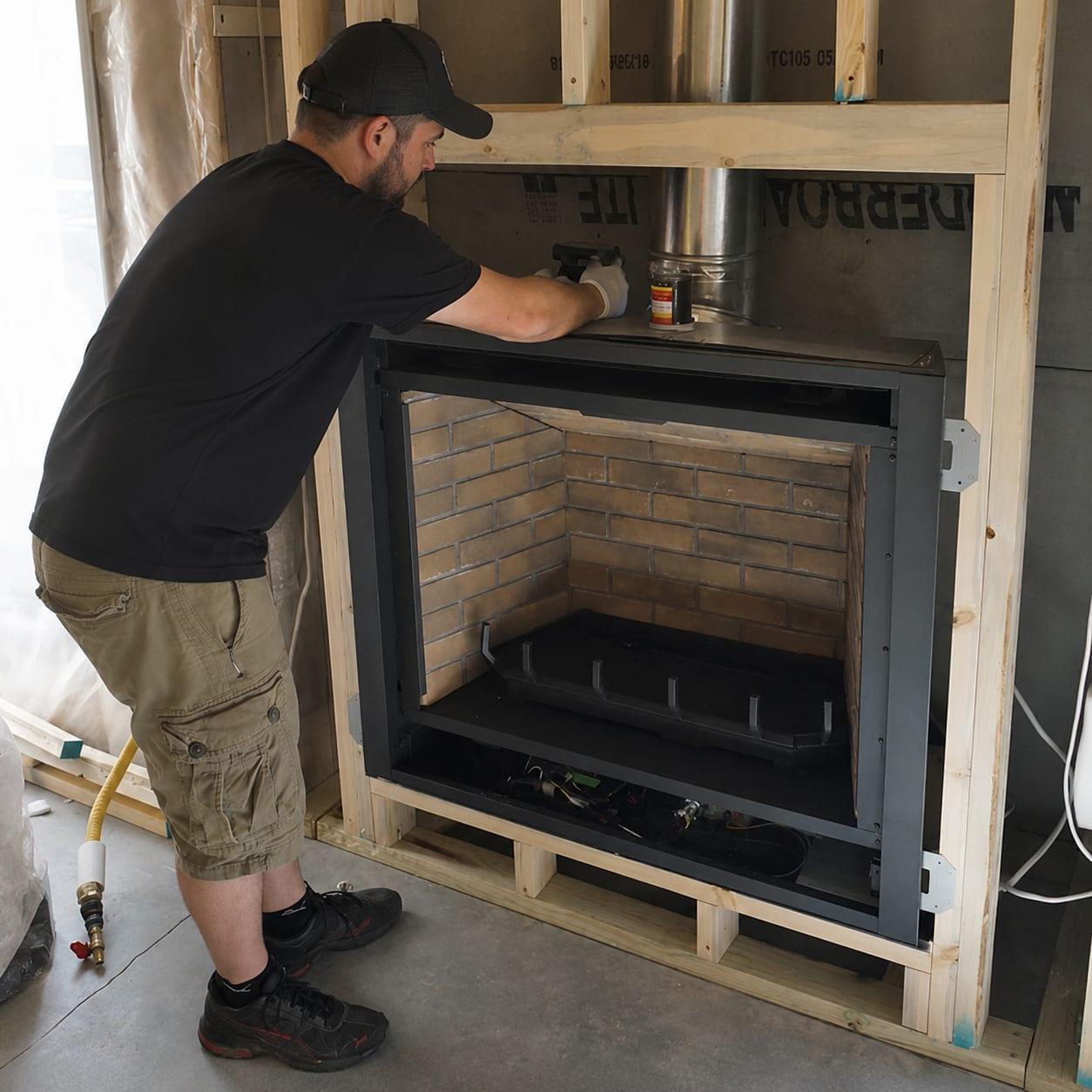
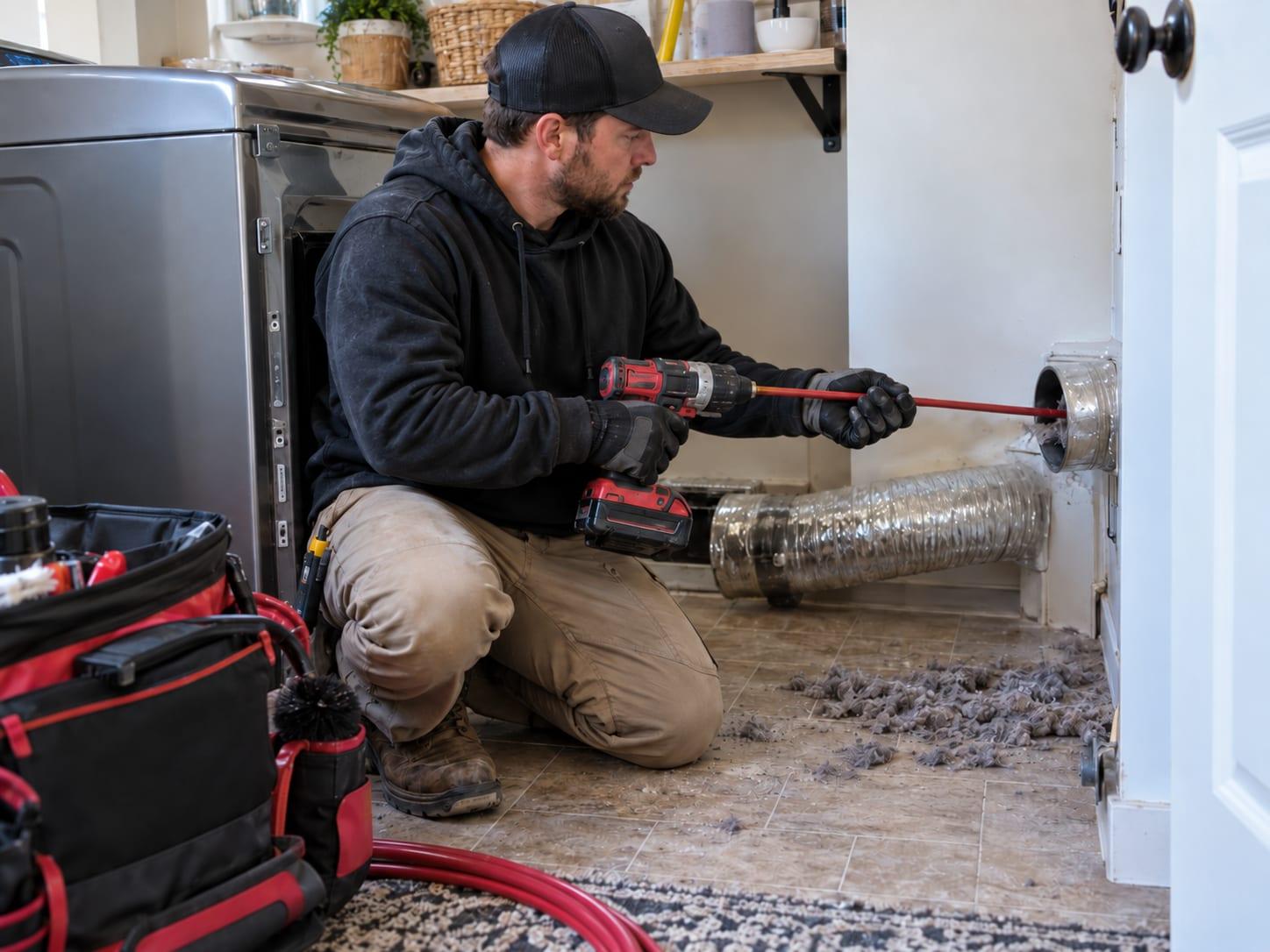
For most wood-burning fireplaces and stoves, do the routine upkeep yourself and leave the flue to a professional. Clearing cold ash, cleaning the glass, checking the damper and watching how the fire draws are all reasonable homeowner jobs. Sweeping the flue is where DIY gets risky. A brush removes loose soot, but from the firebox you can't see hardened creosote, cracked flue tiles, nests or a damaged cap, and the job often means working on the roof.

A practical split is to book a chimney sweep service when the flue is due for cleaning and handle the in-between maintenance yourself. National fire-safety guidance (NFPA 211) recommends having chimneys, fireplaces and vents inspected at least once a year. That annual check is what tells you whether a cleaning is needed.
What DIY can and can't do
| Feature | DIY with rods and a brush | Professional cleaning |
|---|---|---|
| Loose soot and flaky creosote | You can remove it if the brush matches the size and shape of the flue | Removed, along with buildup in the smoke chamber and on the smoke shelf |
| Hardened or glazed creosote | A standard brush won't take it off | Removed with rotary or chemical methods suited to the flue |
| Seeing inside the flue | A flashlight view from the bottom, at best | A visual check, plus a camera inspection when the flue needs a closer look |
| Damage, nests and blockages | Easy to miss, and a brush can pack debris further in | Found and reported, with removal handled as its own step |
| Roof and cap access | Ladder and roof work at your own risk | Handled by the sweep with the right equipment |
| Mess | Fine soot can escape into the room | Room covered, with soot collected by a vacuum built for the job |
Loose soot and flaky creosote
- DIY with rods and a brush
- You can remove it if the brush matches the size and shape of the flue
- Professional cleaning
- Removed, along with buildup in the smoke chamber and on the smoke shelf
Hardened or glazed creosote
- DIY with rods and a brush
- A standard brush won't take it off
- Professional cleaning
- Removed with rotary or chemical methods suited to the flue
Seeing inside the flue
- DIY with rods and a brush
- A flashlight view from the bottom, at best
- Professional cleaning
- A visual check, plus a camera inspection when the flue needs a closer look
Damage, nests and blockages
- DIY with rods and a brush
- Easy to miss, and a brush can pack debris further in
- Professional cleaning
- Found and reported, with removal handled as its own step
Roof and cap access
- DIY with rods and a brush
- Ladder and roof work at your own risk
- Professional cleaning
- Handled by the sweep with the right equipment
Mess
- DIY with rods and a brush
- Fine soot can escape into the room
- Professional cleaning
- Room covered, with soot collected by a vacuum built for the job
Jobs a homeowner can safely do
- Remove ash only once it is completely cold, and store it in a metal container with a lid away from the house.
- Clean fireplace or stove glass with a cleaner made for that glass, and only when it is cool.
- Open and close the damper to make sure it moves freely and seals. If the fireplace has gas logs, leave the damper as the installer set it — vented gas logs need it open.
- Shine a flashlight up the flue from the firebox and look for obvious debris or light blocked by something.
- Burn only dry, seasoned wood. Wet wood smolders and builds creosote faster.
- Watch the fire. Smoke drifting into the room instead of up the flue is worth noting.
When to stop and call a professional
- Smoke spills into the room, or the fire is hard to keep going. Both are common signs of a blocked chimney flue.
- You find black flakes, tar-like drips or a shiny glaze inside the firebox or flue.
- You hear scratching or chirping, or find twigs and nesting material in the firebox.
- You notice a strong smoky or musty smell when the fireplace isn't in use.
- You heard a loud roaring or popping sound from the chimney, or the cap looks warped. If you hear roaring or see flames or sparks from the top of the chimney, get everyone out and call 911. Learn what causes chimney fire before you use the fireplace again.
- The chimney hasn't been inspected in over a year, or you don't know when it last was.
Creosote logs don't replace sweeping
Chemical sweeping logs may loosen some buildup, but they don't remove it from the flue or show you its condition. Never try to burn creosote out with a hot fire. That is how chimney fires start.
Gas fireplaces and other chimney types
DIY sweeping advice applies mainly to wood-burning masonry fireplaces and wood stoves. Gas units don't build creosote the way wood does, but their venting, burners and logs still need attention. Our guide to gas Fireplace Needs Cleaning covers the signs. Factory-built fireplaces, inserts and metal flues also call for different brushes and methods.
What is included in a chimney cleaning
A typical professional cleaning
Protect the room
Drop cloths go down around the hearth, and the fireplace opening is sealed so soot stays out of the house.
Look before sweeping
The firebox, damper and lower flue are checked first. That way, any problem is noticed before the brush goes in.
Sweep the flue
Brushes sized to the flue are run through its full length to clear soot and loose creosote. Glazed buildup needs a separate creosote-removal method.
Clean the smoke chamber and damper
The area above the damper collects heavy buildup and is easy to skip, so it gets its own cleaning.
Clean the firebox and collect debris
Ash, soot and anything knocked loose are vacuumed out. This overlaps with a fireplace cleaning, which focuses on the firebox, doors and glass.
Report what was found
You hear about the condition of the cap, crown, damper and flue. If something needs a closer look, the next step is a chimney inspection, sometimes with a camera.
The exact steps vary between a masonry fireplace, a factory-built unit, an insert and a wood stove, but each step above has a counterpart for each type.
What helps you decide
- How often you burn: occasional fires build up slowly, while regular use or a wood stove builds up much faster.
- What you burn: wood means creosote, while gas means checking vents and components instead.
- When it was last checked: if you don't know, start with an inspection rather than a brush.
- Roof comfort and access: many flues can only be cleaned properly from the top.
- Symptoms: smoke, smells, sounds or debris mean it's time for a professional.
If you'd rather hand off the flue, we handle chimney sweeping, creosote removal, blockage and nest removal, inspections and fireplace cleaning. Estimates are free, so you can request one before deciding.