The short answer
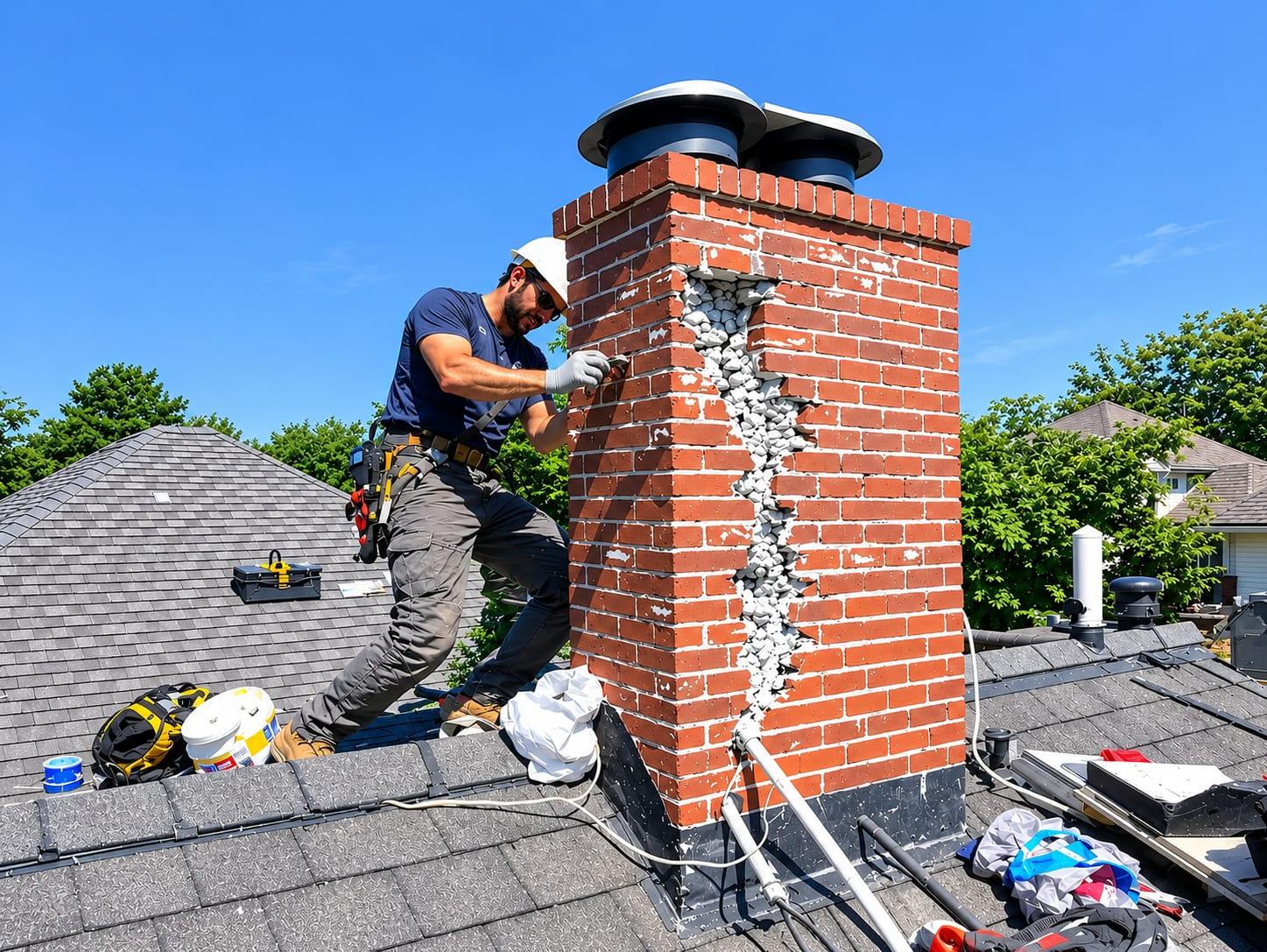
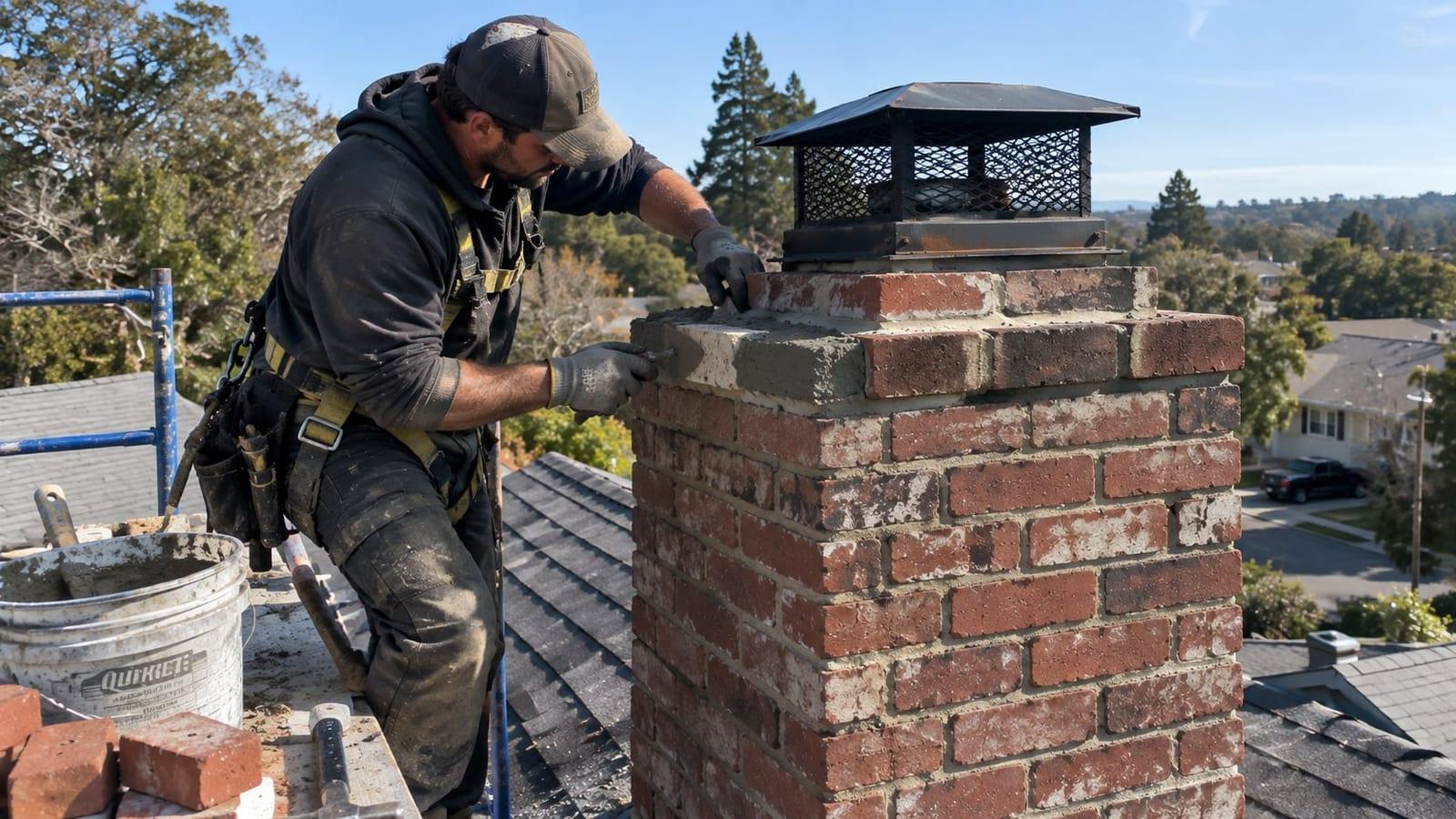
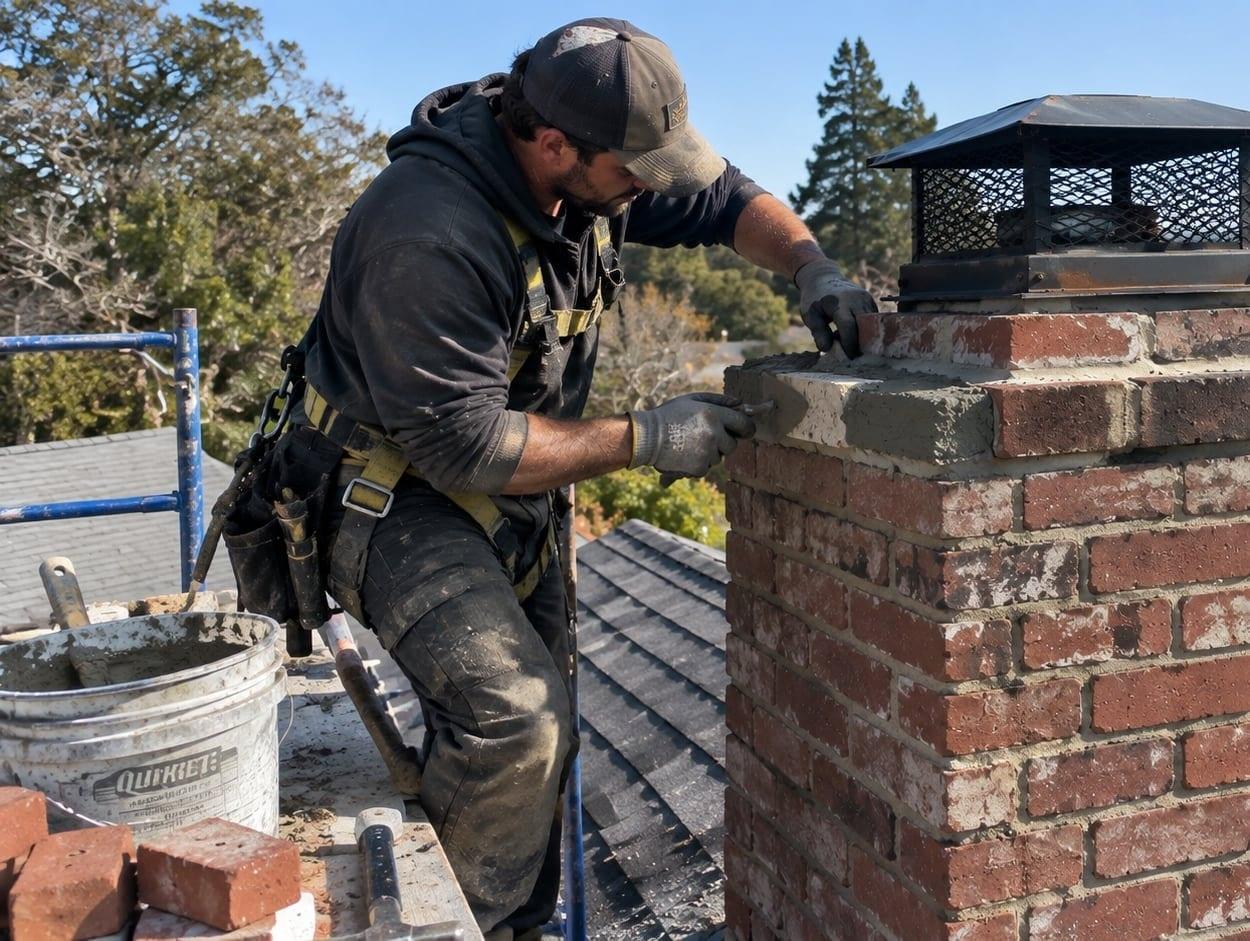
Neither type is simply better. A masonry chimney is a heavy, site-built structure. It is repaired one part at a time with mortar, brick, crown work and liners, and it can be rebuilt in sections. A prefab chimney (also called factory-built or zero-clearance) is a tested system of a metal fireplace unit and metal flue pipe. It is safe when every part matches what the manufacturer specified, and it is repaired by replacing components with compatible parts, not by improvising.
For most homeowners, the decision isn't which type to buy. It's understanding the type you already have, so a repair fits how that chimney was designed.
How the two types are built
| Feature | Masonry chimney | Prefab (factory-built) chimney |
|---|---|---|
| Main materials | Brick, stone or concrete block laid in mortar | Metal fireplace box and metal chimney pipe sections |
| Firebox | Firebrick laid in heat-resistant mortar | Refractory panels set inside a metal firebox |
| Top of the chimney | A masonry or concrete crown, often with a cap | A metal chase cover on top of a framed chase, usually with a cap |
| Flue | Clay tile liner, or a metal liner added later | Metal flue pipe that is part of the listed system |
| Support | Very heavy; sits on its own foundation | Light enough to be framed into the house structure |
| How repairs are made | Individual parts are repaired or rebuilt: joints, crown, brick, liner | Worn components are replaced with parts compatible with that unit |
Main materials
- Masonry chimney
- Brick, stone or concrete block laid in mortar
- Prefab (factory-built) chimney
- Metal fireplace box and metal chimney pipe sections
Firebox
- Masonry chimney
- Firebrick laid in heat-resistant mortar
- Prefab (factory-built) chimney
- Refractory panels set inside a metal firebox
Top of the chimney
- Masonry chimney
- A masonry or concrete crown, often with a cap
- Prefab (factory-built) chimney
- A metal chase cover on top of a framed chase, usually with a cap
Flue
- Masonry chimney
- Clay tile liner, or a metal liner added later
- Prefab (factory-built) chimney
- Metal flue pipe that is part of the listed system
Support
- Masonry chimney
- Very heavy; sits on its own foundation
- Prefab (factory-built) chimney
- Light enough to be framed into the house structure
How repairs are made
- Masonry chimney
- Individual parts are repaired or rebuilt: joints, crown, brick, liner
- Prefab (factory-built) chimney
- Worn components are replaced with parts compatible with that unit
How to tell which one you have
You can usually identify the type from inside the room and from the ground. The exterior alone can fool you, because a framed chase can be faced with stone or brick veneer.
| Where to look | Points to masonry | Points to prefab |
|---|---|---|
| Back and side walls of the firebox | Individual firebricks with mortar joints | Large flat panels, often with a molded brick pattern |
| Around the fireplace opening | Masonry face, no metal frame | A metal frame or trim around the opening |
| Inside the opening or behind a vent grille | No metal label | A metal listing plate with model information |
| Top of the chimney | Concrete or mortar crown | Flat or sloped metal chase cover |
| Exterior walls of the chimney | Solid masonry all the way through | Siding or veneer over a wood-framed box |
Where each type usually fails
Masonry chimneys
- Cracked or crumbling crowns that let water into the brickwork. The causes and fixes are covered in our guide to cracked chimney crown causes and repairs.
- Eroded mortar joints and spalling brick, which need tuckpointing or brick replacement.
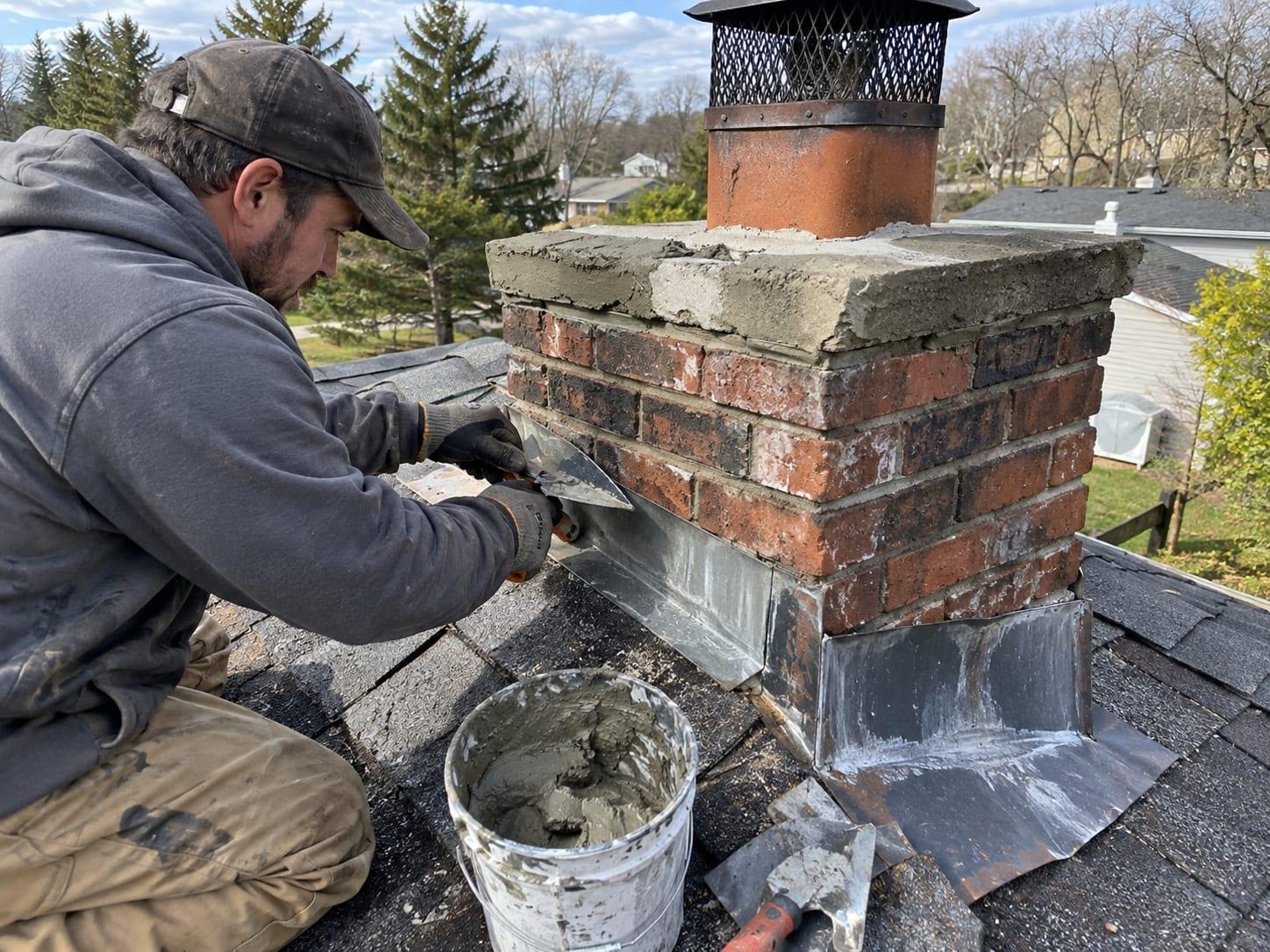
- Failed flashing where the chimney meets the roof, a common source of water stains on ceilings and walls.
- Cracked clay flue tiles, often repaired by relining the flue.
Most of these problems come back to water. Fixing them early is usually far less disruptive than a partial rebuild. When the brickwork itself needs attention, see how masonry chimney repair is handled.
Prefab chimneys
- Rusted or poorly sloped chase covers that hold water and drip it into the chase.
- Cracked or crumbling refractory panels in the firebox.
- Separated, damaged or corroded flue pipe sections.
- Rotted framing, sheathing or siding inside the chase after a long-term leak.
- Warping inside the firebox from fires that were too large for the unit.
Water inside a prefab chase can go unnoticed for a long time, because the damage is hidden behind siding. If you are dealing with a chimney that leaks when it rains, the chase cover and its seams are among the first places to check on a prefab system.
Prefab parts are not interchangeable
A factory-built fireplace and chimney is designed and tested as a system. Mixing in pipe, panels or caps that weren't made for that unit can change clearances to framing and how heat is handled. Repairs should use parts compatible with the model on the listing plate.
Repair or replace: how the options differ
With masonry, almost everything is repairable in place: joints can be repointed, crowns repaired or rebuilt, flashing redone, flues relined, and damaged sections rebuilt. The structure itself rarely has to be replaced as a whole.
With prefab, worn parts such as chase covers, caps, refractory panels and flue sections can often be replaced through prefab chimney and chase repair. When the firebox itself is badly damaged, or matching parts are no longer available for that model, replacing the system with a new factory-built chimney installation is often the sound choice.
What helps you decide
Questions worth answering before any work starts
- Which type is it? Check the firebox, the opening and the top before assuming.
- Is the damage cosmetic, or is water or heat getting where it shouldn't?
- For prefab: can you read the listing plate, and are compatible parts still available?
- For masonry: is the problem limited to the crown, flashing or joints, or has the brick itself started to fail?
- Are there signs the fireplace shouldn't be used until it's checked? Our list of signs a chimney needs immediate repair can help you decide how urgent it is.
- How do you plan to use the fireplace: wood, gas, or decorative only?
If you'd like the chimney looked at, we handle masonry repair, prefab chase and component repair, and new prefab chimney installation, and estimates are free.