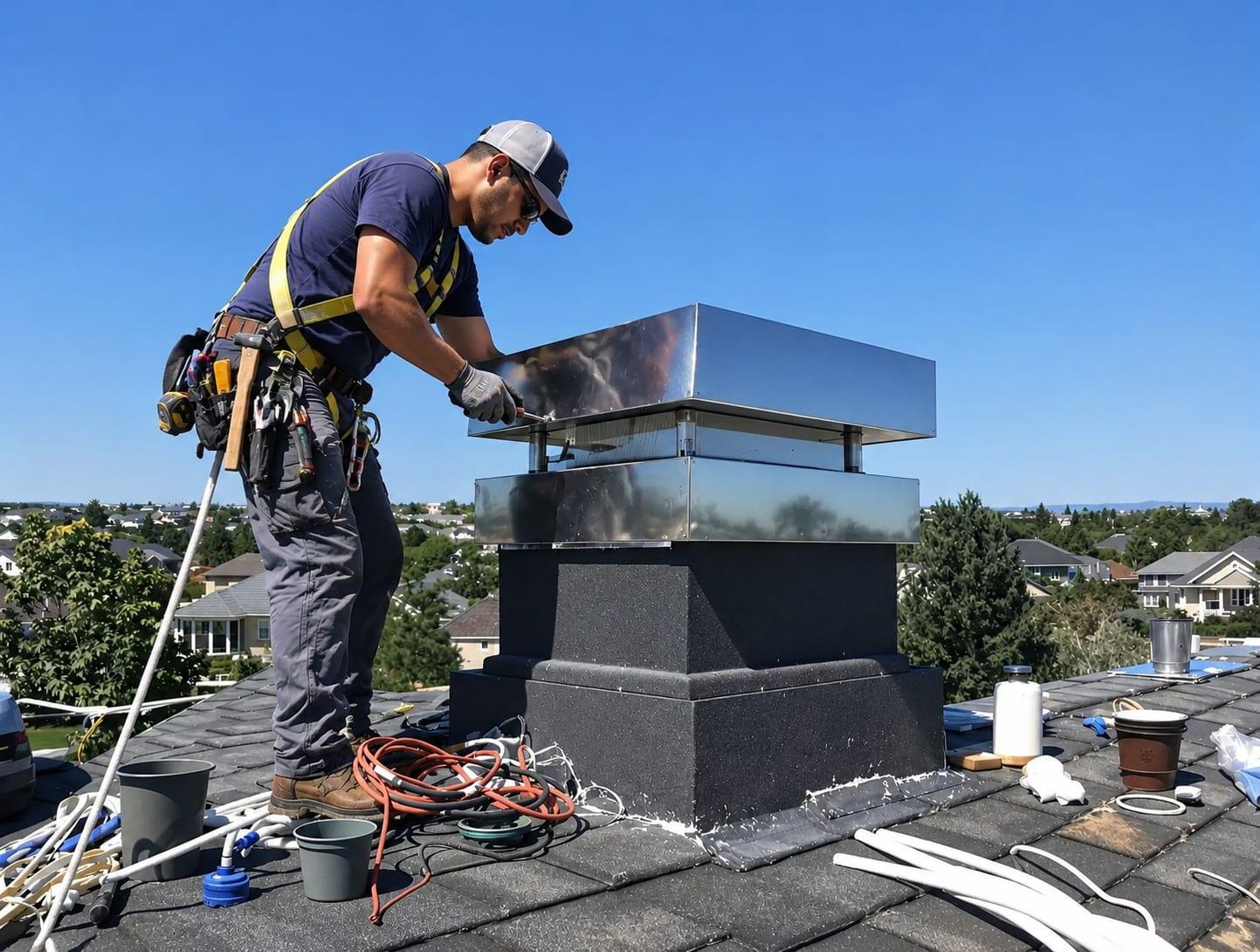
Fremont's fire hazard designations and the cap on your chimney
The City of Fremont Fire Department states that Fremont retains its own Very High Fire Hazard Severity Zone designations, covering hill areas east of Mission Boulevard, east of I-680, Ardenwood Historic Farm and Coyote Hills Regional Park. (Source: City of Fremont Fire Department, Weed and Vegetation Management, Zone Designations.)
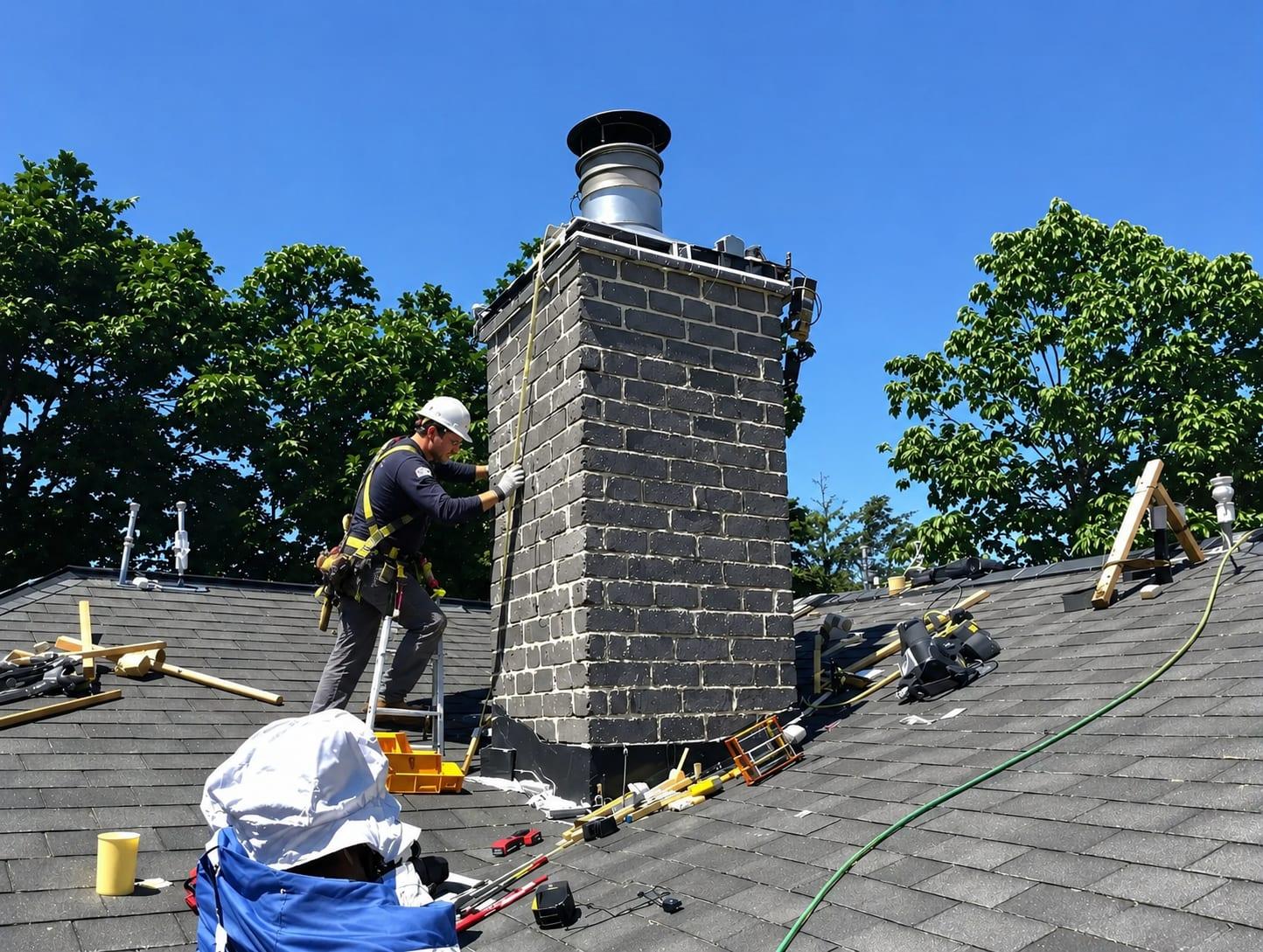
For a homeowner, the designation shows how the city rates fire hazard in those areas. It doesn't describe chimney equipment. Still, a wood-burning fireplace or stove sends hot gases and sometimes small embers up the flue. If your home is in or near one of those areas, it makes sense to think about what leaves the top of your chimney, not only what might fall into it.
What changes about the cap you choose
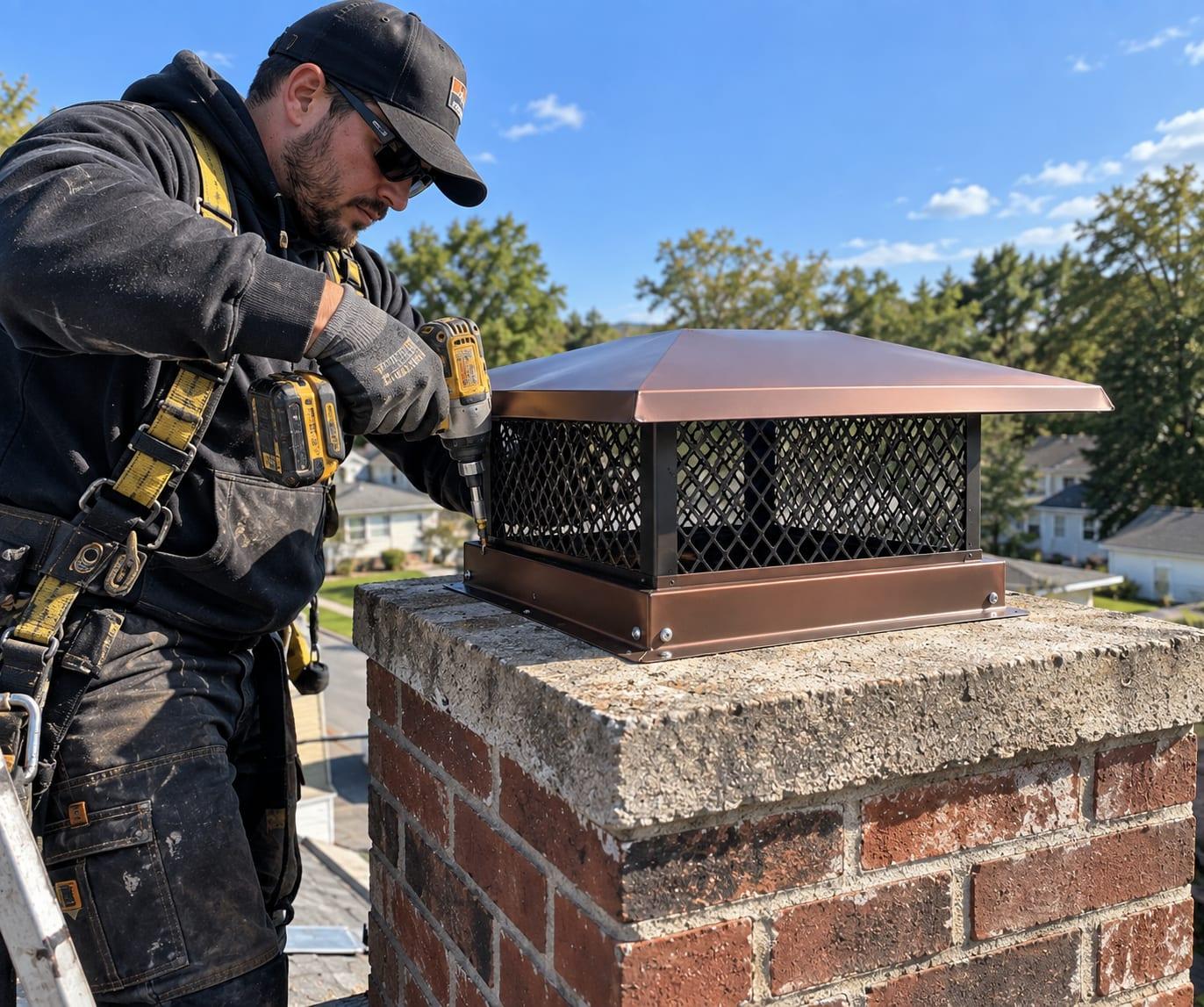
- Screened, not open. A cap with a mesh screen on all sides catches larger embers before they leave the flue. A rain cover alone does not.
- Mesh that fits the use. Mesh that is too coarse lets more embers through. Mesh that is too fine can clog with soot and choke the draft. The right balance depends on how often and how hard the fireplace is used.
- A snug, secure fit. A cap that is loose or sized for the wrong flue leaves gaps where embers can escape and animals can get in. It also tends to come loose in strong wind.
- Durable material. A cap that rusts through or bends loses its screening long before it falls off. A sturdy cap holds up better between check-ups.
Not sure whether your home is in a designated area?
The City of Fremont Fire Department publishes its Very High Fire Hazard Severity Zone designations. Check with the department directly before deciding how much screening your cap needs.
Chimney cap installation in brief
The job starts with measuring the flue and looking at the top of the chimney: the crown on masonry chimneys, or the chase top on prefab systems. Then we pick a cap that fits that flue and suits how you use the fireplace, secure it, and confirm that it doesn't restrict the draft. While we're up there, we note any visible damage worth addressing. For materials, screen options and what the visit involves, read how chimney cap installation works.
When a new cap is the right job, and when another one fits better
A new cap makes sense when the chimney has no cap at all, or when you want ember screening on a chimney that only has a bare rain cover. Some situations call for a different job, either first or instead.
- If a cap is already there but rusted, bent or loose, the job is a cap replacement rather than a new installation.
- If birds or animals are already living in the flue, they need to come out before a cap goes on. Otherwise the cap traps them inside.
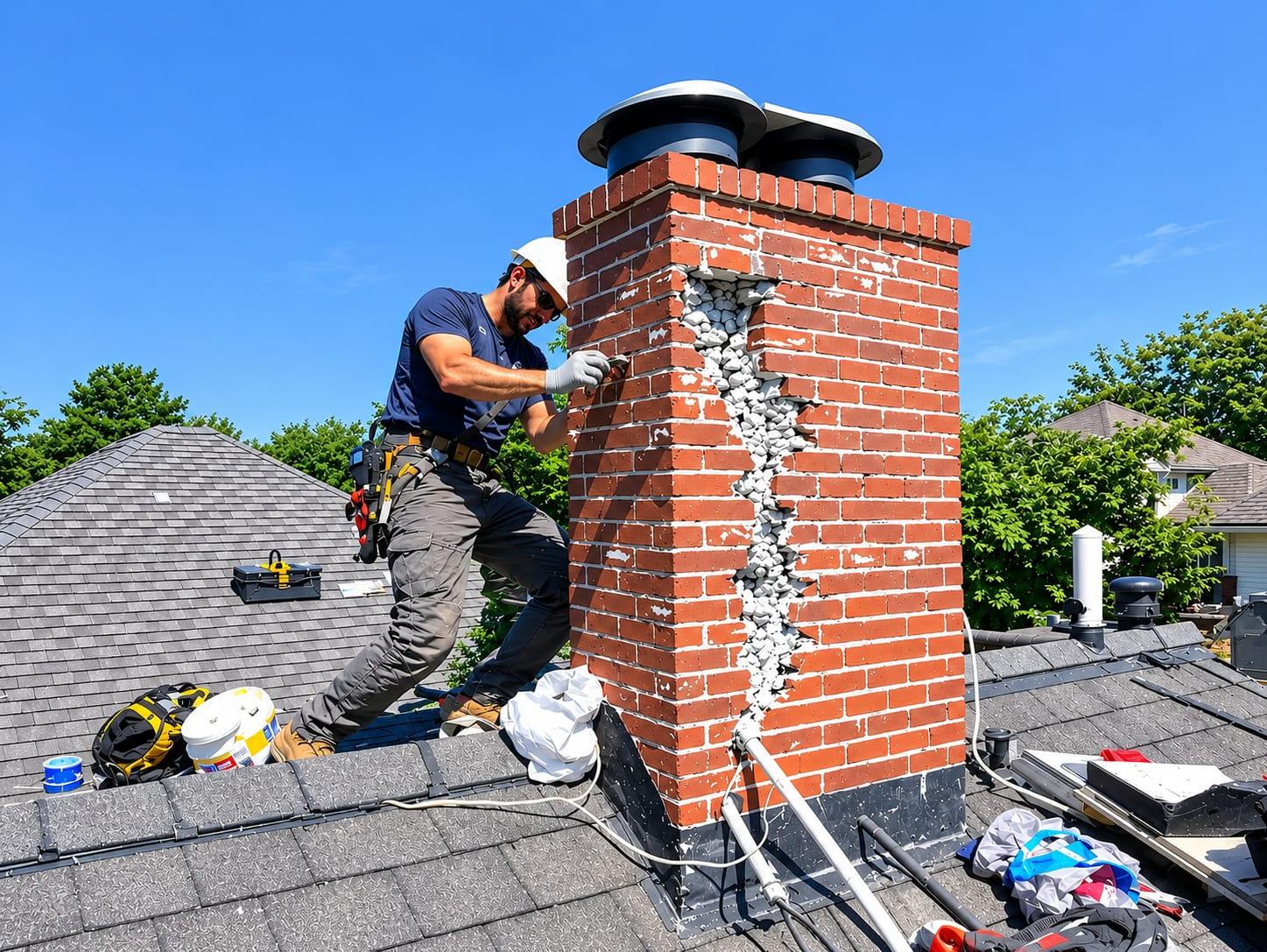
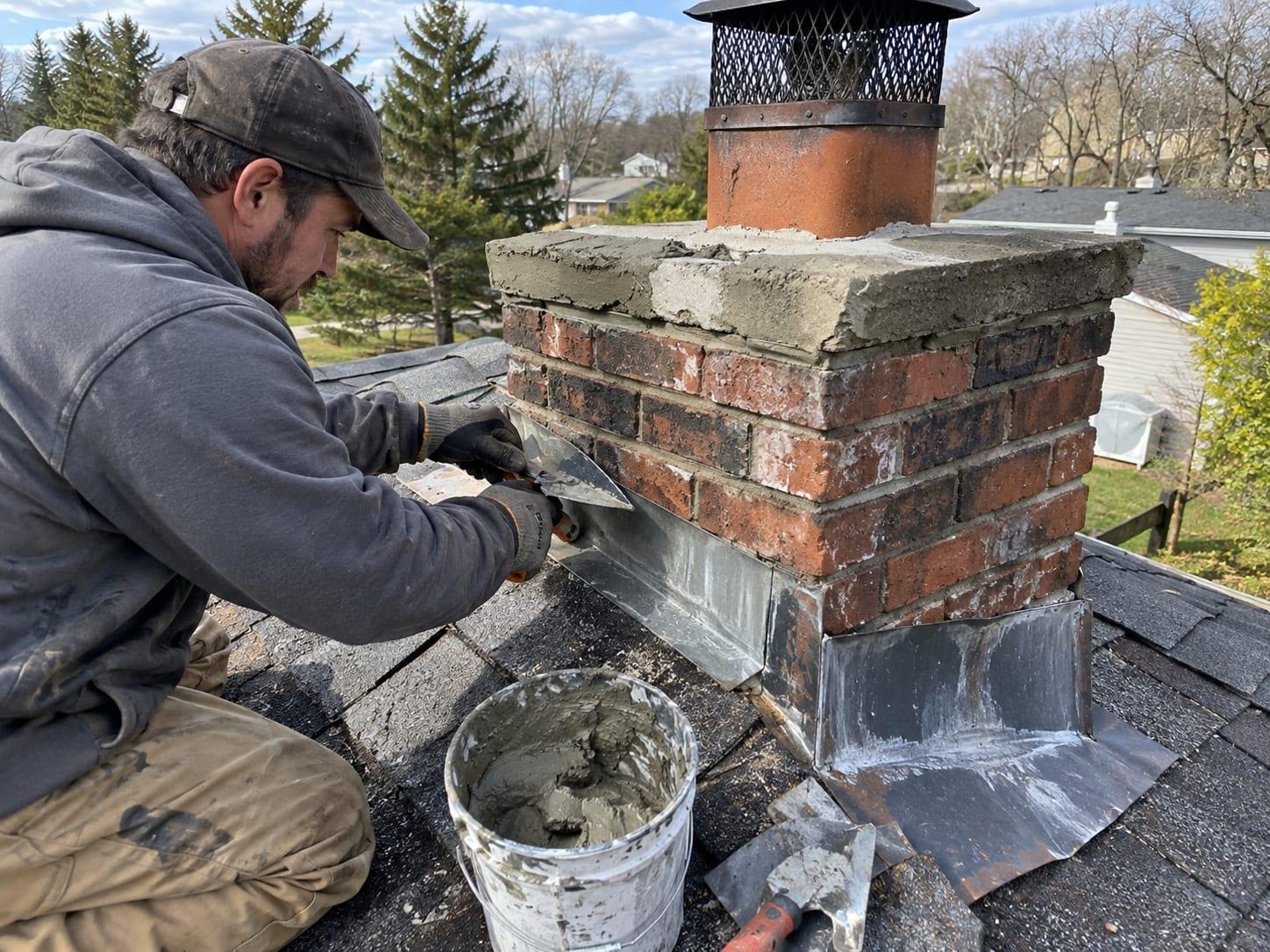
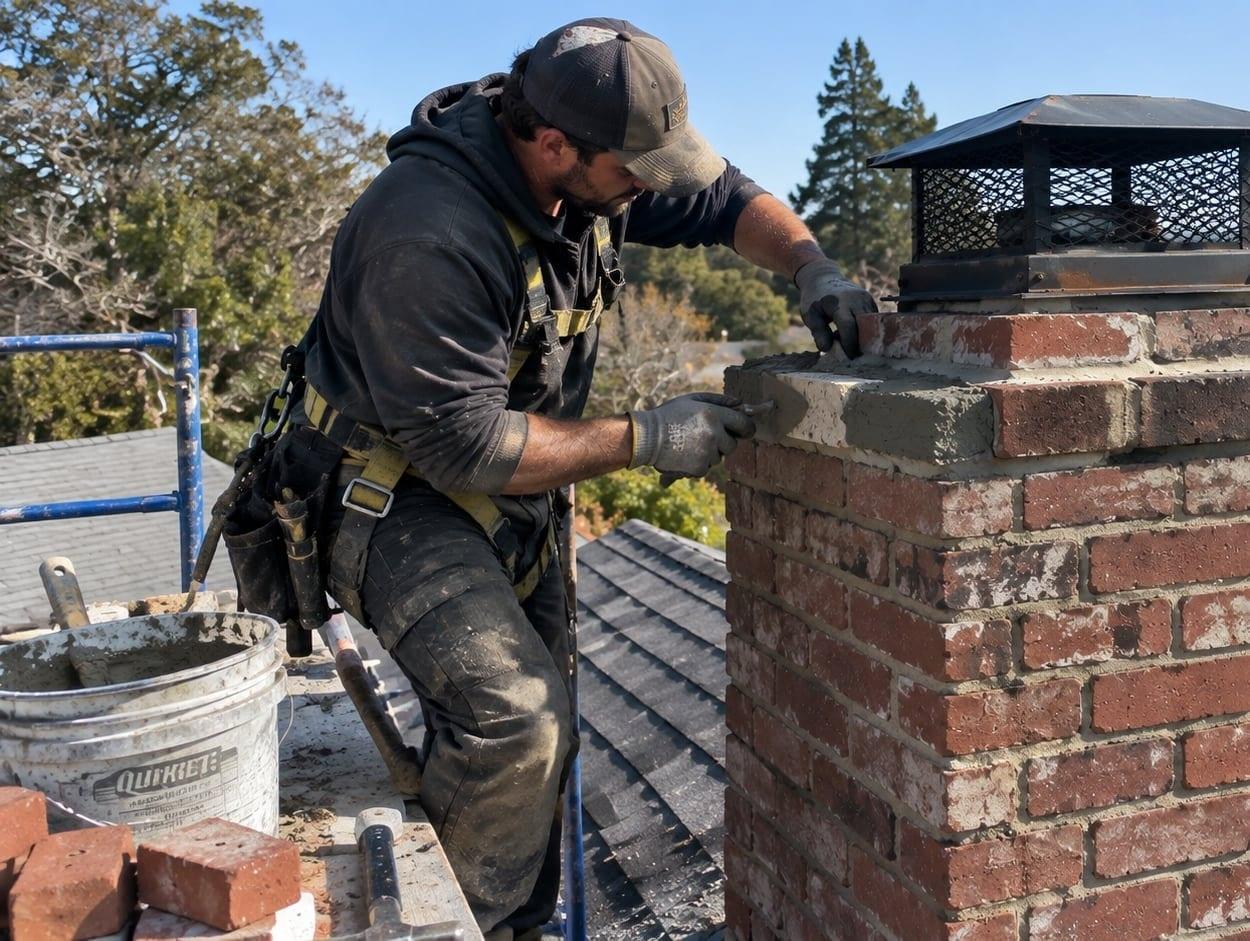
- If the masonry crown under the cap is cracked or crumbling, repairing it first gives the new cap a sound surface to sit on.
- On a prefab chimney with a rusted or leaking metal top, the chase cover may need replacing along with the cap.
- If heavy buildup is already lining the flue, a sweep comes first. A cap keeps things out but does nothing about what's inside.
If you're unsure which of these applies, describe what you see at the top of the chimney when you get in touch. We'll tell you whether chimney cap installation alone covers it.
Booking a cap for your Fremont home
Request an estimate and tell us whether you burn wood, use gas or rarely use the fireplace, since that shapes the cap and screen we recommend. The full chimney cap installation service page covers the job in more depth, and you can see everything else we handle in Fremont on the area page.
Sources (1)
The sources of the Fremont facts on this page.
- 1City of Fremont Fire Department — Weed and Vegetation Management (Zone Designations)