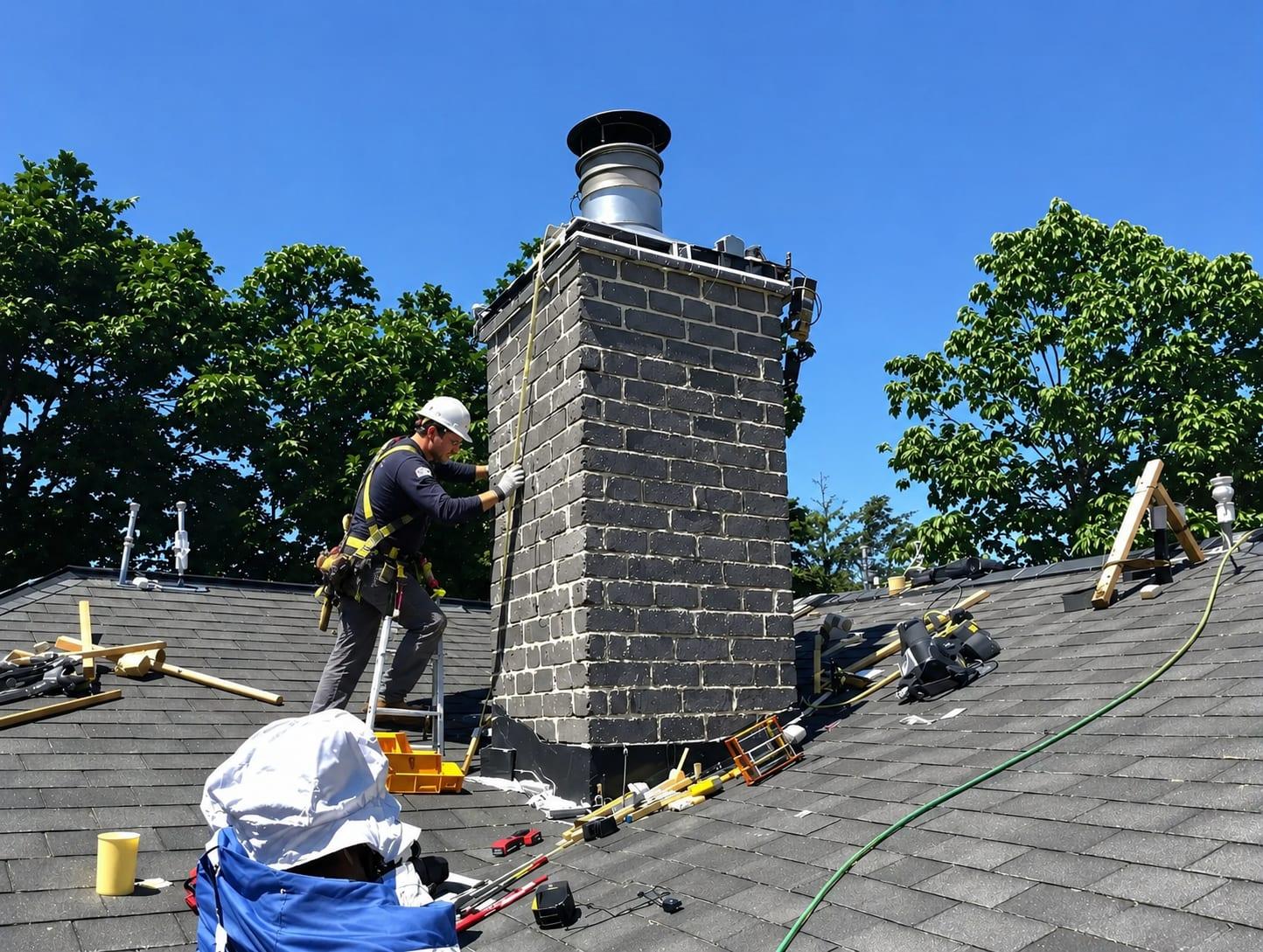
Chimney spark arrestor installation in brief
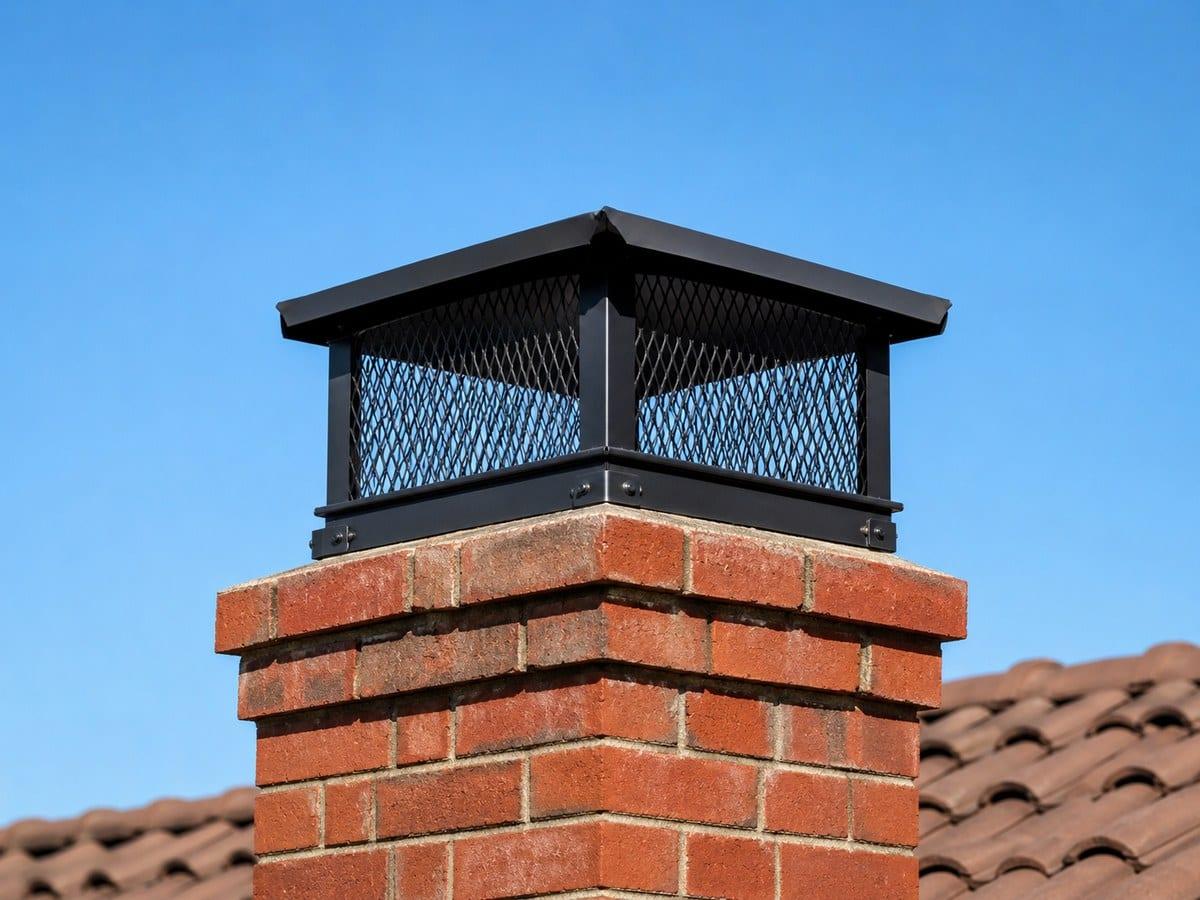
The job fits a screened arrestor to the top of each flue so embers and hot debris stay inside the chimney. We first check the flue size and the condition of the top of the chimney, then fit an arrestor that seats securely and leaves enough open mesh for the fire to draw properly. If a cap is already in place, we tell you whether it can take an arrestor or should be replaced. Materials and options are covered on the chimney spark arrestor installation service page.
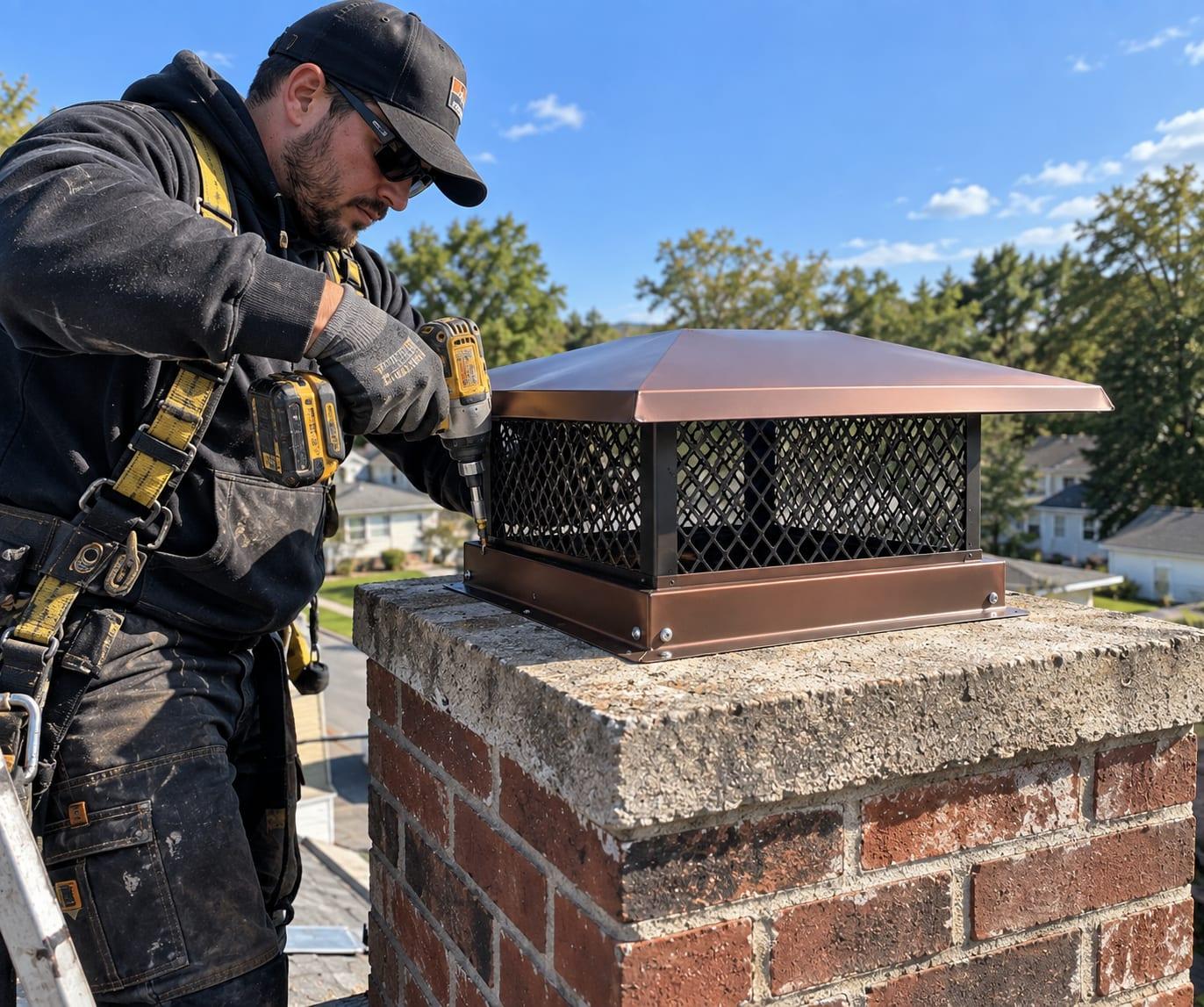
Fire hazard zone designations and your chimney
The City of Fremont Fire Department states that Fremont retains its own Very High Fire Hazard Severity Zone designations, covering hill areas east of Mission Boulevard, east of I-680, Ardenwood Historic Farm and Coyote Hills Regional Park (source: City of Fremont Fire Department, Weed and Vegetation Management — Zone Designations).
These designations belong to the city. If you want to know whether your address falls inside one, and what that means for your property, ask the fire department directly. That way you know where you stand before the arrestor goes on.
The practical reasoning holds for any home with a wood-burning fireplace or stove. A flue without a screen can send embers over the roof and onto whatever grass, brush or trees sit downwind. If your home is in or close to one of the designated areas, that risk is the main reason to install an arrestor. It is also why the fit matters as much as having one at all.
What we check when fitting an arrestor
- Every flue on the roof, including separate flues for a wood stove and a fireplace
- Mesh that is intact, with no gaps where the screen meets the chimney top
- Fastening that holds the arrestor firmly in wind
- Enough open mesh area that the fireplace still draws without smoking back into the room
- Access for future sweeping, so the arrestor can be removed or cleaned through
When an arrestor is the right job, and when something else fits better
- An arrestor fits when the flue has no screen at all, the existing mesh is torn or rusted through, or embers have been seen leaving the chimney.
- A full replacement fits better when the existing cap is corroded, loose or the wrong size for the flue, because a new screen will not stay secure on a failing cap.
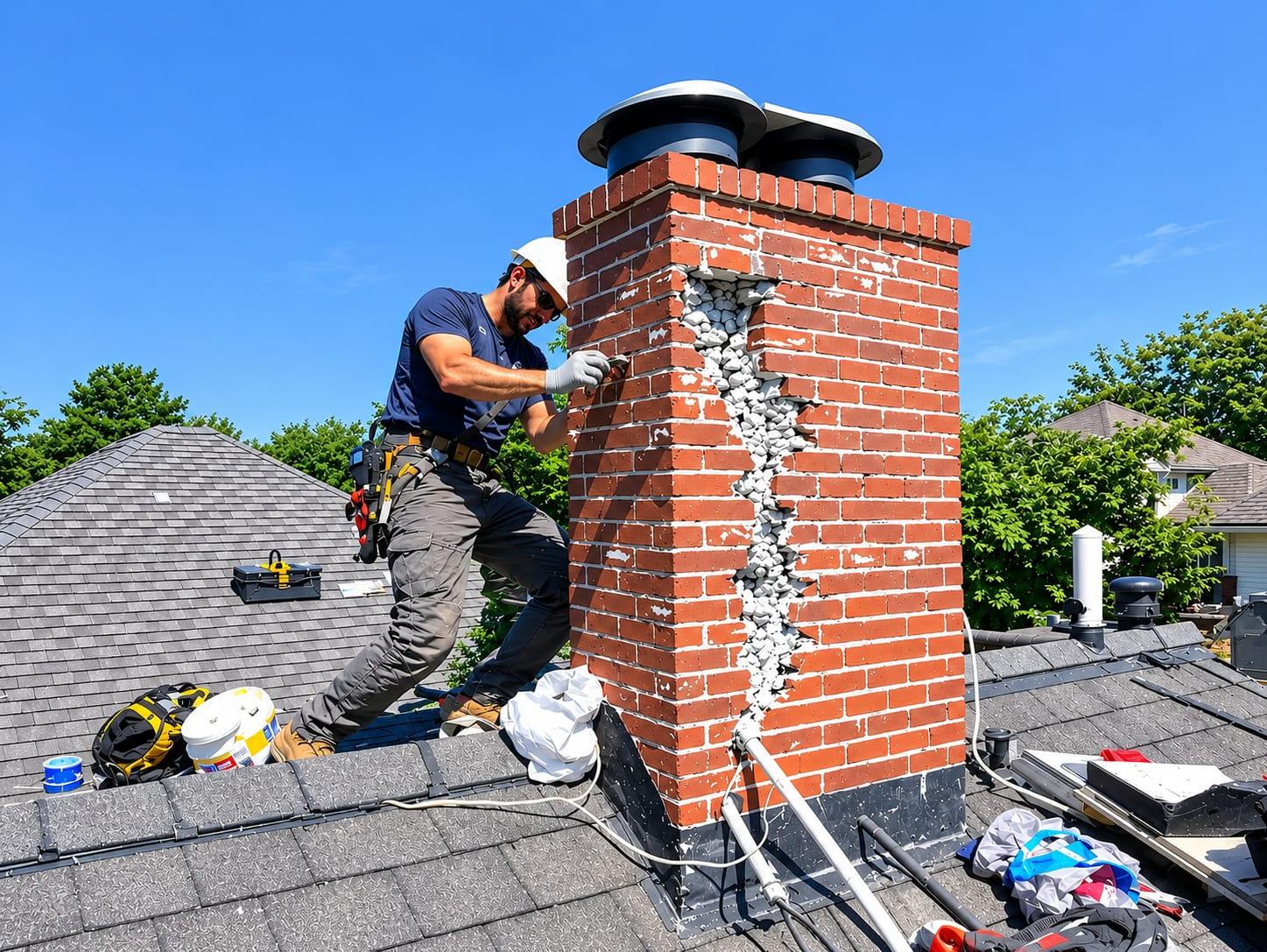
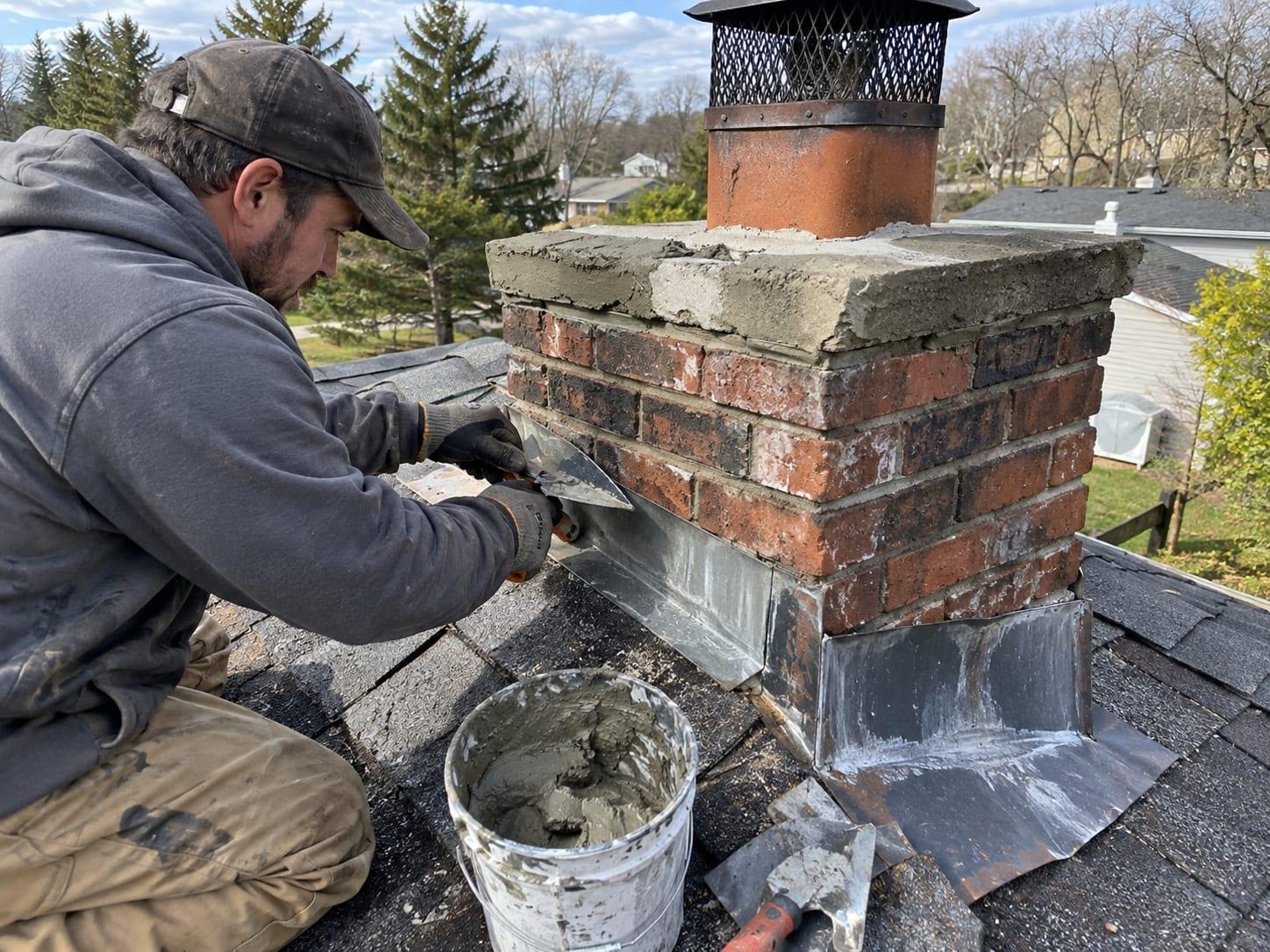
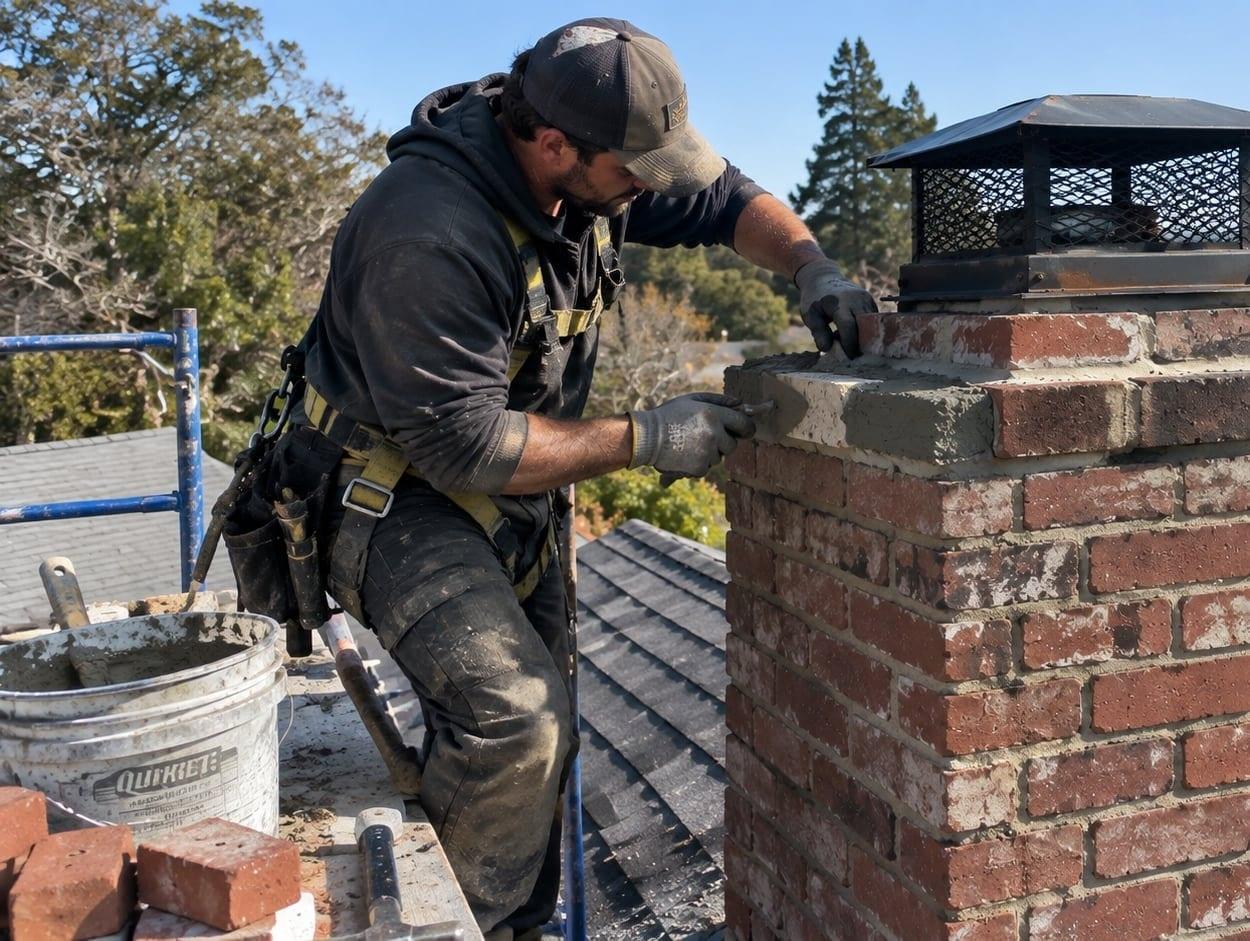
- Masonry work comes first when the crown is cracked or bricks at the top are loose, since an arrestor needs solid material to fasten to. Chimney repair and masonry work covers that side of the job.
- Stop and get it checked if you notice falling debris, a leaning stack or water coming in. The signs a chimney needs immediate repair explain what to look for.
Embers or smoke where they shouldn't be
Stop adding fuel, open a window and don't relight the fire until the chimney has been checked. If the smoke is heavy, an alarm sounds or you suspect a chimney fire, get everyone outside and call 911.
Booking the work
Request an estimate and we will look at the top of your chimney, measure each flue and tell you whether an arrestor alone will do the job. For the full picture of how chimney spark arrestor installation works, or to see the other chimney and fireplace services we offer in Fremont, follow those links.
Sources (1)
The sources of the Fremont facts on this page.
- 1City of Fremont Fire Department — Weed and Vegetation Management (Zone Designations)