Chimney rebuild in brief
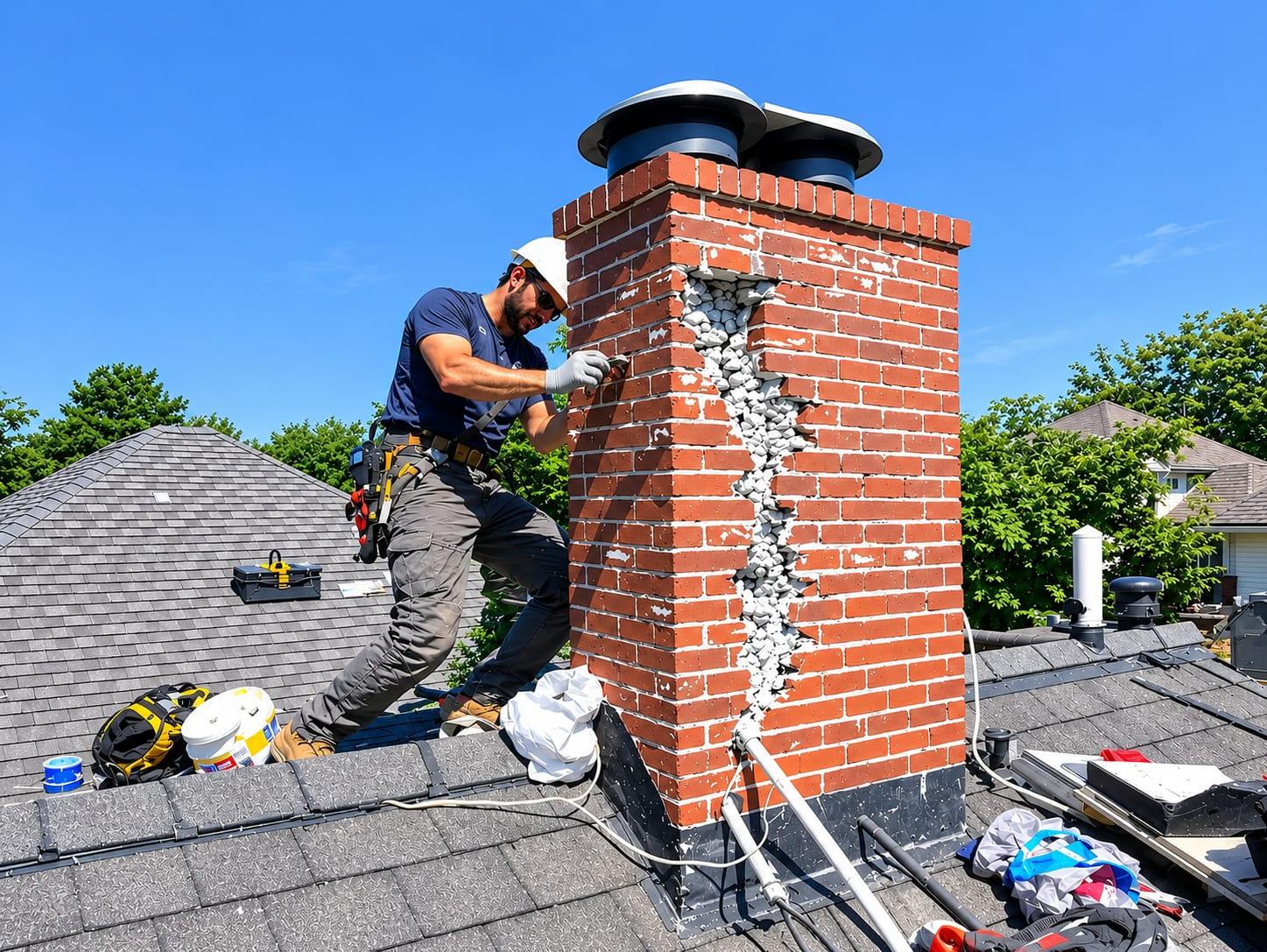
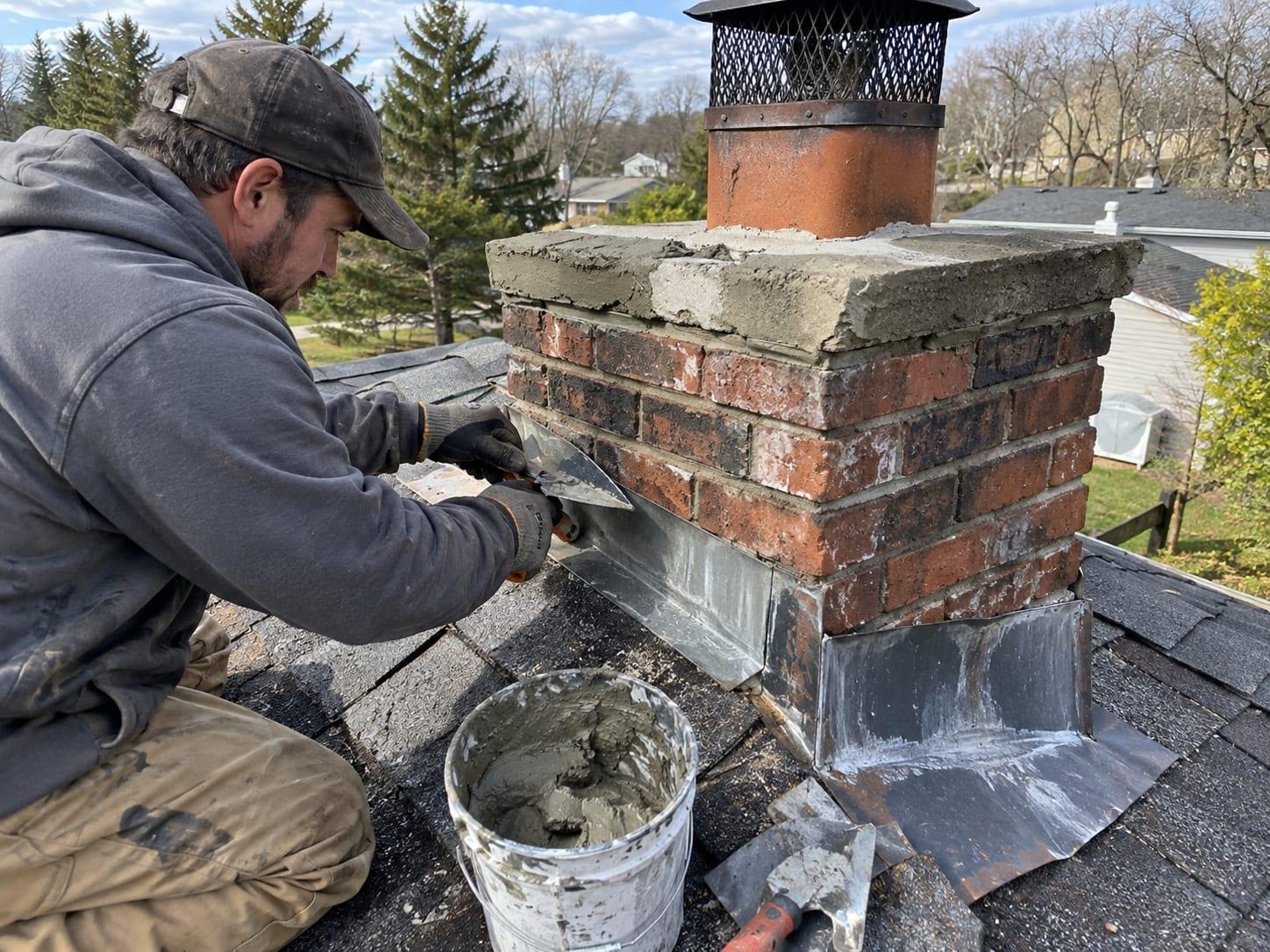
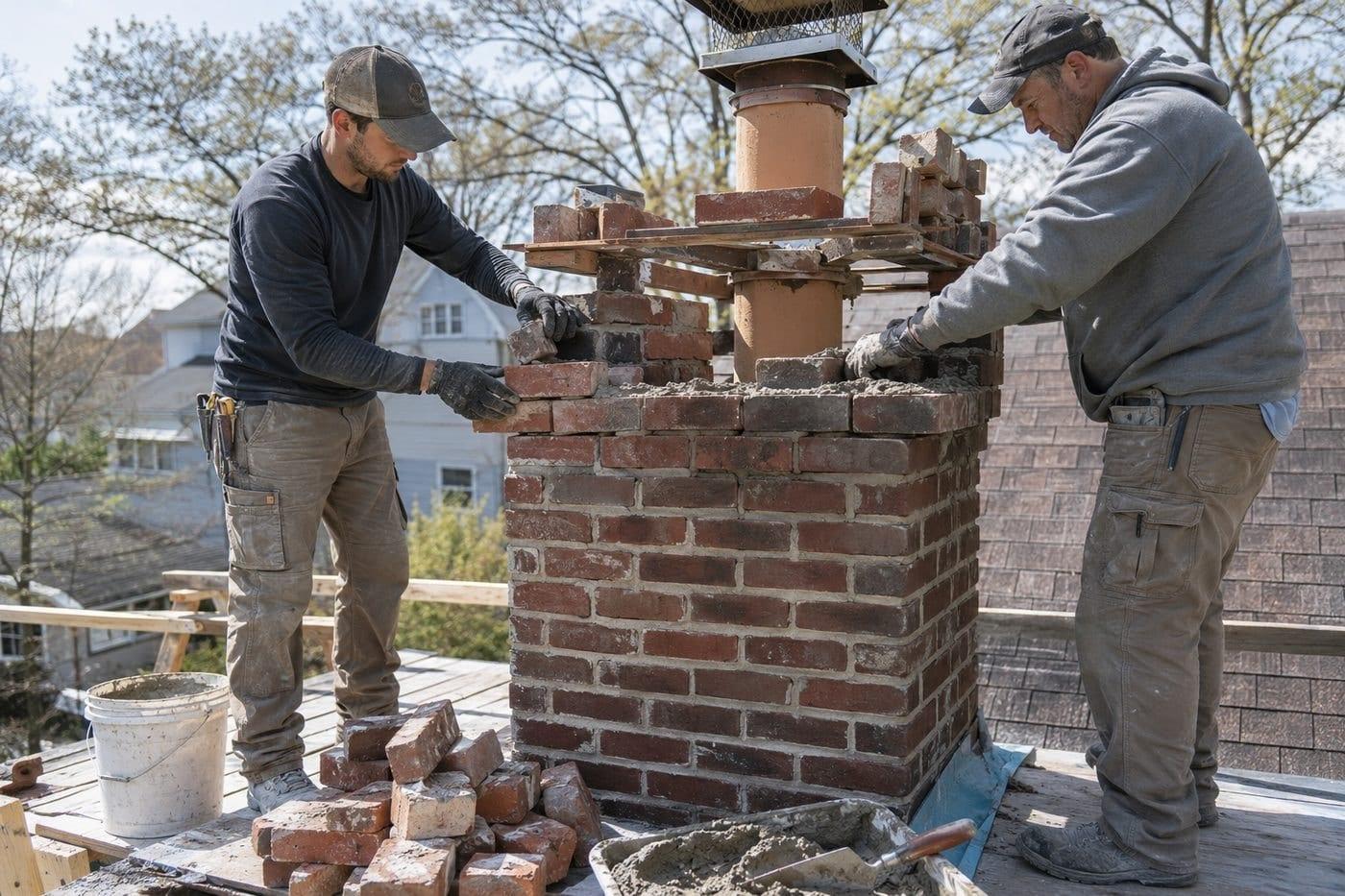
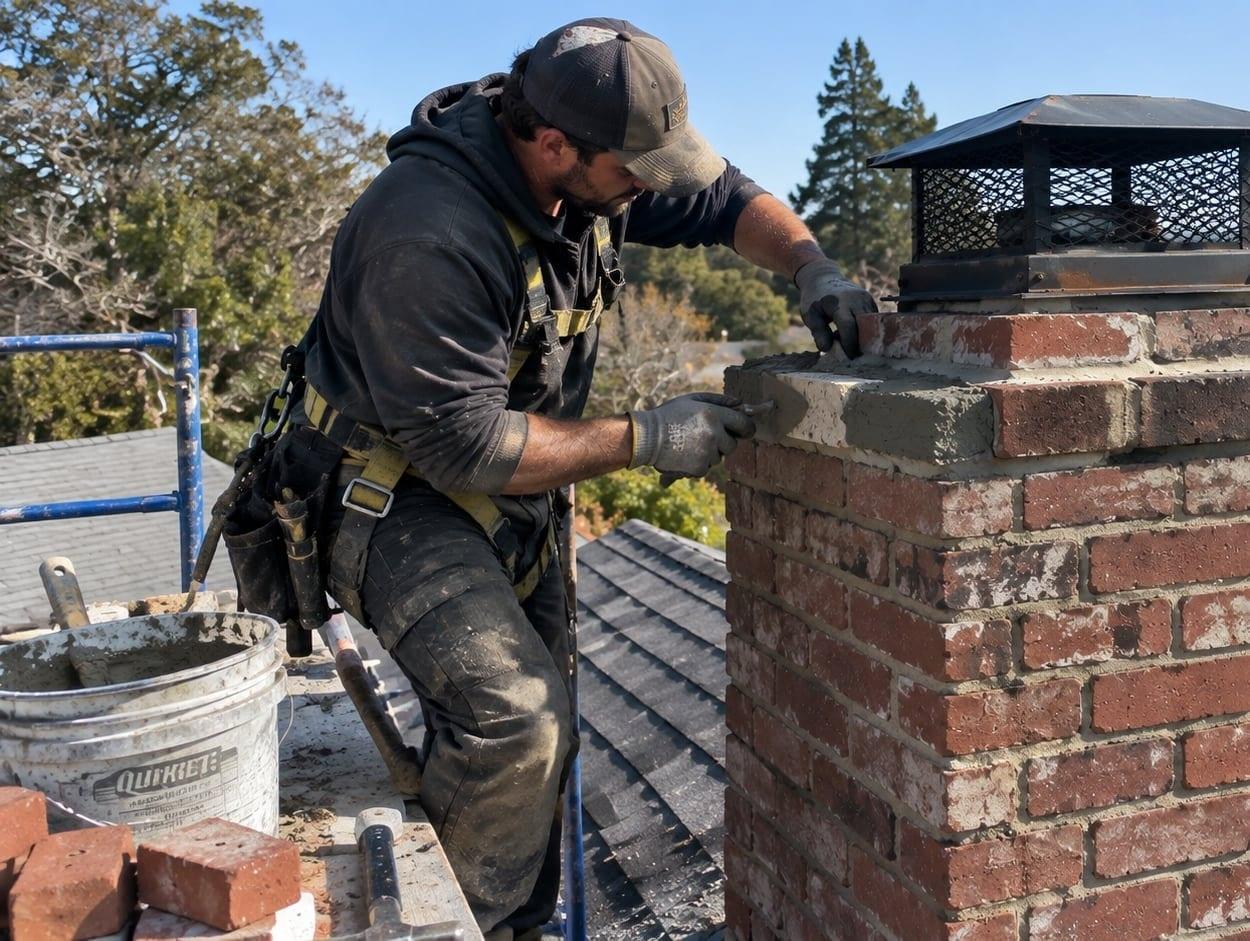
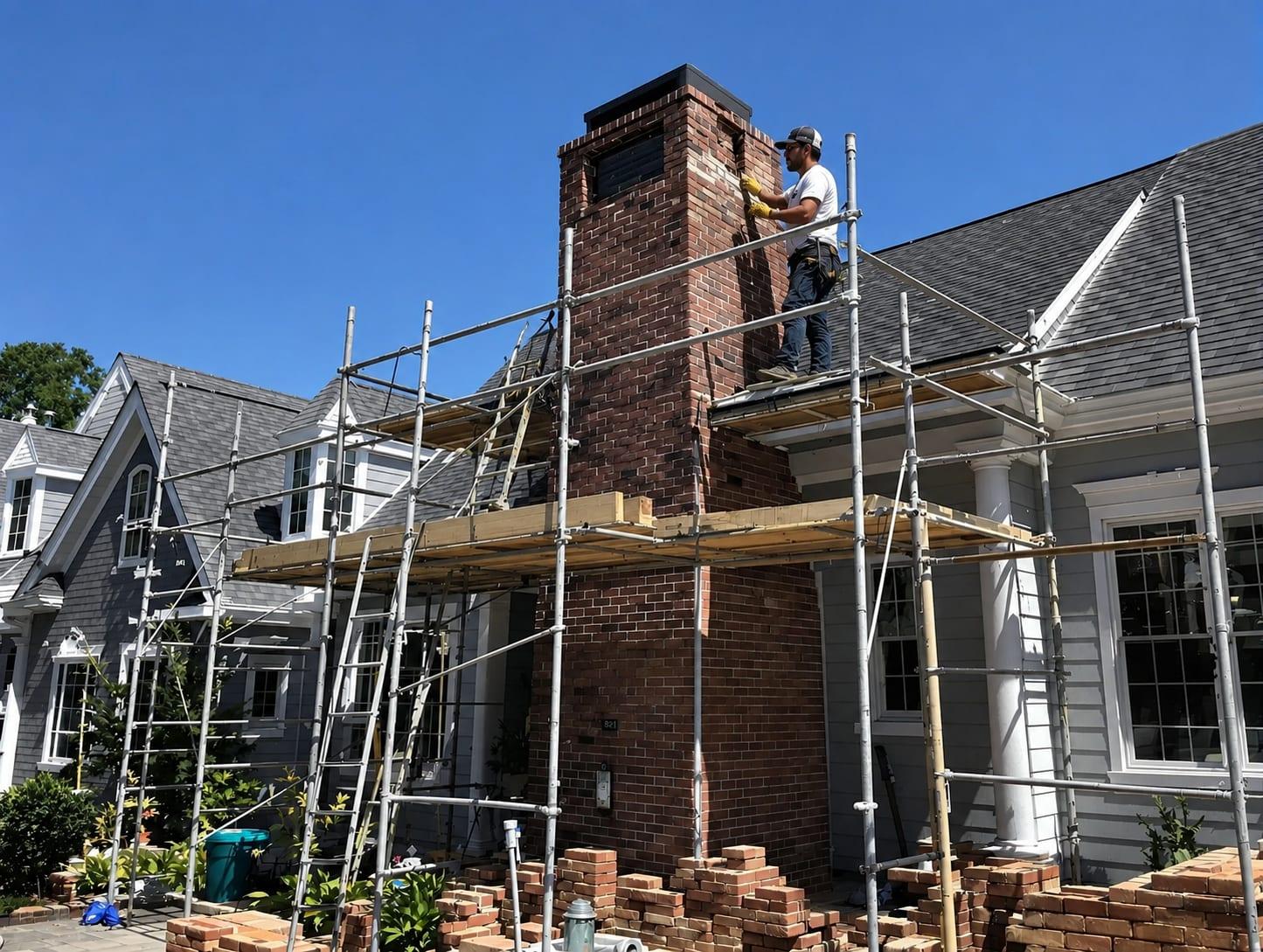
A chimney rebuild takes down masonry that can no longer be repaired and builds it back sound. Sometimes that is only the section above the roofline. Sometimes it is the full stack down to a solid base. The job usually includes a new crown, new flashing where the chimney meets the roof, and a cap. The flue is checked and lined so it is ready for use again. For the full sequence, from tear-down to final inspection, read how chimney rebuild works.
What affects chimney rebuild in Pleasanton
- About 6% of the housing units in Pleasanton were built before 1960. Source: U.S. Census Bureau, American Community Survey 2019–2023 5-year estimates, table B25034 (Year Structure Built).
- The City of Pleasanton considers a residential building in a residential zoning district built before 1942 to be a historic resource if the Pleasanton Downtown Historic Context Statement finds it eligible for listing in the California Register. The City of Pleasanton's historic preservation guide states that Administrative Design Review is required for additions and listed exterior alterations to the 91 historic homes, and the list includes chimneys (material, finish, location, size and shape). Source: City of Pleasanton Community Development — Historic Preservation information guide (Revised March 2020).
Pleasanton's historic preservation rules and your chimney
According to the City of Pleasanton Community Development Historic Preservation information guide (Revised March 2020), the City of Pleasanton considers a residential building in a residential zoning district built before 1942 to be a historic resource if the Pleasanton Downtown Historic Context Statement finds it eligible for listing in the California Register. The same guide states that Administrative Design Review is required for additions and listed exterior alterations to the 91 historic homes, and the list includes chimneys (material, finish, location, size and shape).
Who the review applies to
- Homes that are among the 91 historic homes the city's guide refers to.
- Buildings in a residential zoning district built before 1942 that the Pleasanton Downtown Historic Context Statement finds eligible for the California Register.
- Rebuild plans that change any of the chimney features the guide lists: material, finish, location, size or shape.
What it changes about a rebuild
On one of these homes, the design questions come first. Before any brick comes down, you need to know whether the new chimney will use the same material and finish, stand in the same spot, and keep the same size and shape. If any of those change, the guide lists the work as an exterior alteration that needs Administrative Design Review. If you are unsure whether your house is on the list, ask the City of Pleasanton's Community Development department before the work is scheduled. We can document the existing chimney with measurements and photos so you have the details on hand when you ask.
How many homes this is likely to involve
The U.S. Census Bureau's American Community Survey 2019–2023 5-year estimates (table B25034, Year Structure Built) show that about 6% of the housing units in Pleasanton were built before 1960. The historic-resource definition reaches back only to buildings from before 1942, which is a smaller slice of that 6%. For most homeowners, a rebuild is a matter of construction choices rather than design review. Older homes are the exception, and for them it is worth checking first.
When a rebuild is the right job and when it isn't
A rebuild makes sense when the masonry itself has failed. Common signs are a leaning chimney, bricks that are loose or spalling across much of the stack, a crown that has broken apart and let water into the structure, or a chimney that has pulled away from the house. Not every crack calls for reconstruction, though. Before recommending a rebuild, we look at whether the problem is in the foundation, the stack or just the top courses. Our page on what causes a leaning chimney covers the usual reasons.
- Worn or crumbling mortar joints with solid bricks: repointing the joints is often enough.
- A cracked crown on otherwise sound masonry: crown repair can usually fix it.
- Scattered damaged bricks: spot masonry repair may be all the chimney needs.
- Leaning, separating or widely failing masonry: a partial or full rebuild is usually the lasting fix.
If the fireplace has been used heavily, a cleaning helps before any inspection, because it lets us see the flue clearly. You can book a chimney sweep for homes in Pleasanton on its own or ahead of a rebuild.
If bricks are falling
Keep people and cars away from the area below the chimney. Stop using the fireplace until the chimney has been looked at.
Changing the chimney's look during a rebuild
A rebuild is the easiest time to change how a chimney looks. You can choose a different brick or stone, a new crown profile, a different height or a new cap. We handle chimney remodel work as part of the same project. On one of Pleasanton's historic homes, though, changes to material, finish, location, size or shape are exactly what the city's guide lists for Administrative Design Review. Settle the design before the schedule.
How a rebuild is planned
Request an estimate
Estimates are free. We look at the chimney, the roofline and the firebox, and inspect the flue with a camera where that's needed.
Decide the scope
Partial rebuild above the roof, full rebuild, or repair instead, based on what the inspection shows.
Check historic status if the house is old
If the home was built before 1942, confirm with the city whether it is one of the historic homes before finalizing materials and dimensions.
Rebuild and finish
We take down the failed masonry, build it back, and add a new crown, flashing and cap. The flue is lined as needed.
More on the service and the area
For the full details of our chimney rebuild service, including materials and what happens on each day of the job, visit the service page. To see the other chimney and fireplace work we do locally, browse everything we do in Pleasanton.
Sources (2)
The sources of the Pleasanton facts on this page.
- 1U.S. Census Bureau, American Community Survey 2019–2023 5-year estimates, table B25034 (Year Structure Built)
- 2City of Pleasanton Community Development — Historic Preservation information guide (Revised March 2020)