Chimney sweep in Pleasanton: what the housing figure tells you
According to the U.S. Census Bureau's American Community Survey 2019–2023 5-year estimates (table B25034, Year Structure Built), about 6% of the housing units in Pleasanton were built before 1960. Put the other way, the large majority of homes in the city went up in 1960 or later.
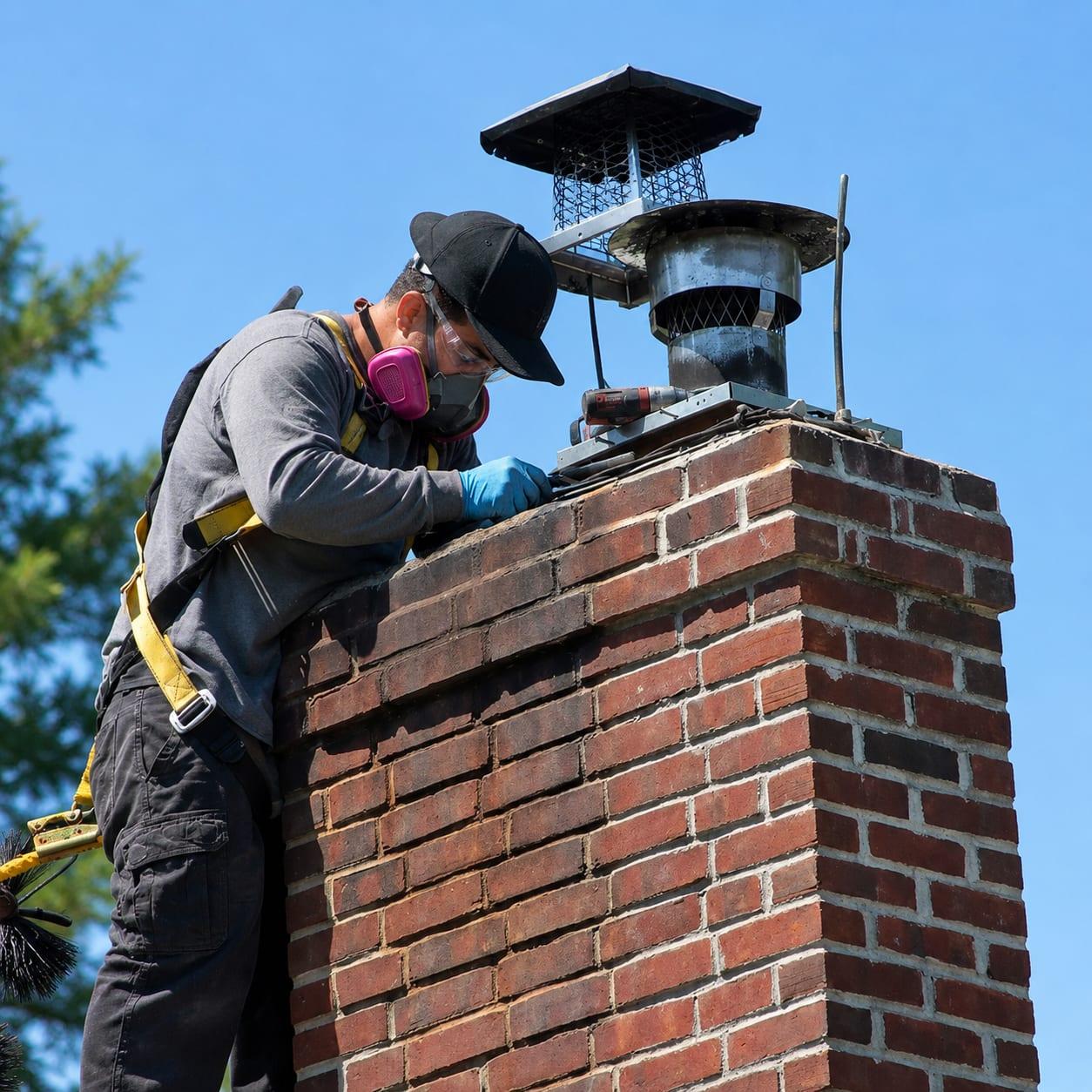
A home's age doesn't tell you what's on the roof, but the chimney type decides how it gets cleaned. That's why every sweep starts by confirming what's actually there:
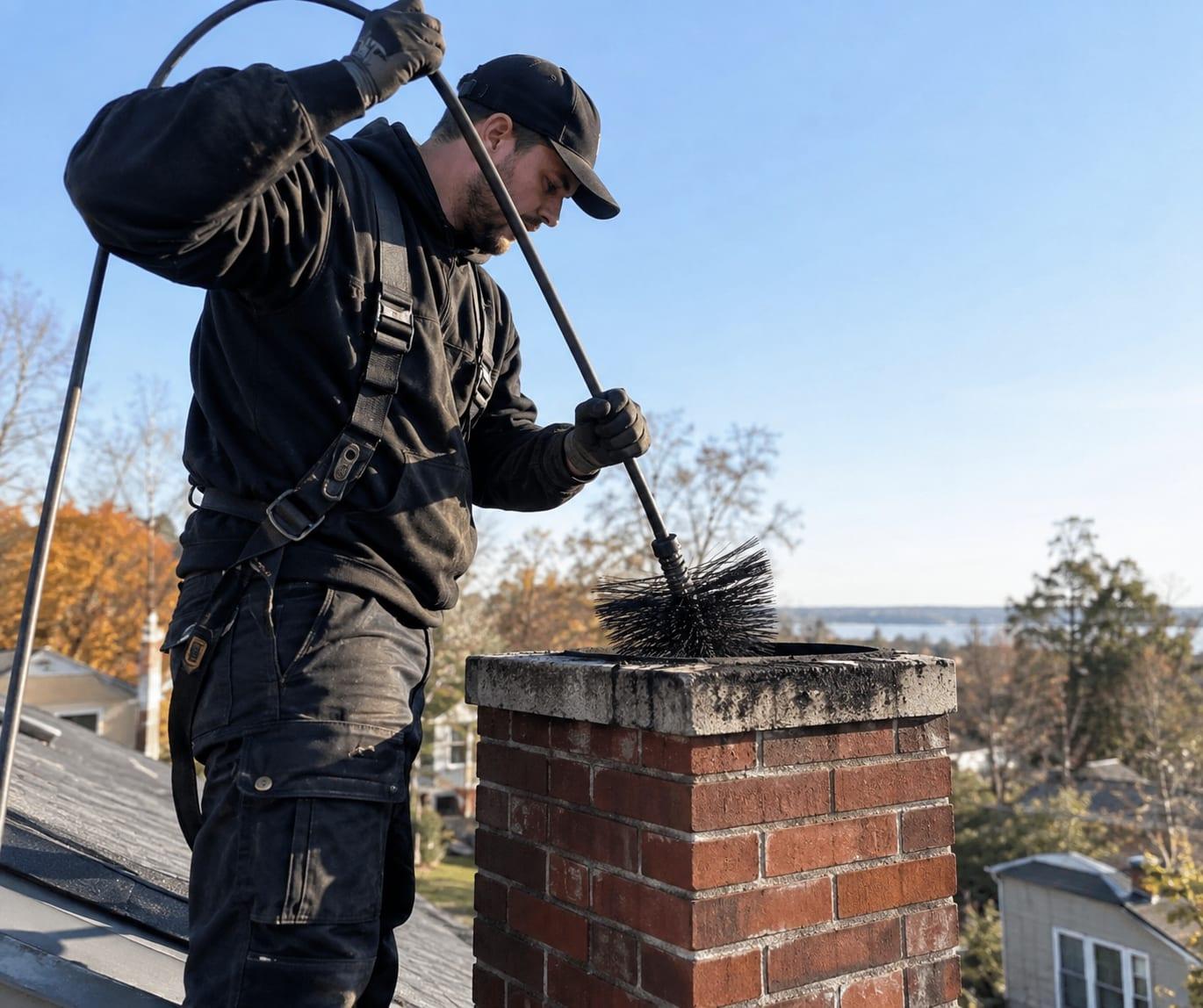
- Masonry chimneys with clay tile liners are brushed with tools sized to the flue, and the sweep watches for cracked, shifted or missing tiles along the way.
- Factory-built fireplaces with metal flues need brushes that won't scratch the liner, and the chase and chase cover get a look while the sweep is on the roof.
- Wood stoves and fireplace inserts are cleaned through their own connector pipe and flue, which usually means opening up the connection before brushing.
Not sure which one you have? Our guide to the different types of chimneys explains how to tell them apart.
In a home built before 1960, an older masonry chimney may carry years of buildup or a liner that has been patched or never replaced. Sweeping one of these often raises questions that a closer look answers better than a brush does.
What affects chimney sweep in Pleasanton
- About 6% of the housing units in Pleasanton were built before 1960. Source: U.S. Census Bureau, American Community Survey 2019–2023 5-year estimates, table B25034 (Year Structure Built).
What a chimney sweep covers
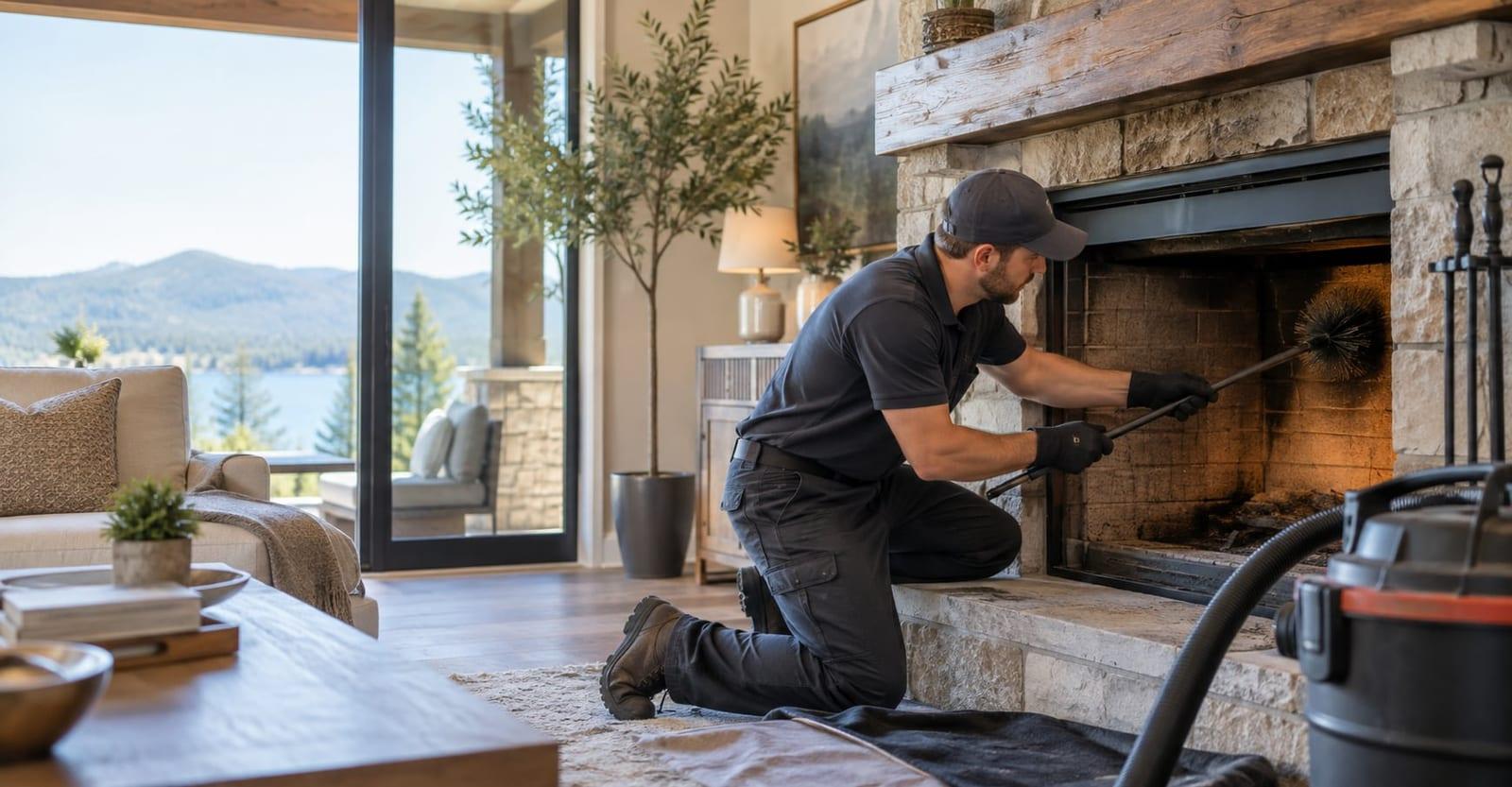
A standard sweep clears soot and creosote from the flue, smoke chamber, smoke shelf and firebox. Drop cloths protect the room and a vacuum runs throughout, so the dust stays in the chimney. The damper is cleaned and checked for movement, and the cap is cleared of debris. Afterward you get a plain account of what came out and anything that looked wrong. The tools, steps and what to expect are laid out on the chimney sweep service page.
The flue: where most of the buildup sits
Chimney flue cleaning is the core of the job. Creosote collects where the smoke cools, usually higher up the flue. The longer it's left, the more it changes from a dry, sooty layer into a sticky or glazed coating. Light buildup brushes out. Hardened or glazed creosote takes heavier tools and sometimes a separate creosote removal visit. Clearing it restores the draft and removes fuel for a chimney fire.
When a sweep isn't the whole answer
A sweep cleans the chimney. It doesn't diagnose every problem. If you're buying or selling a home, if the fireplace hasn't been used in years, or if the sweep turns up cracked tiles or gaps, a closer look is the better next step. Chimney inspection covers that work.
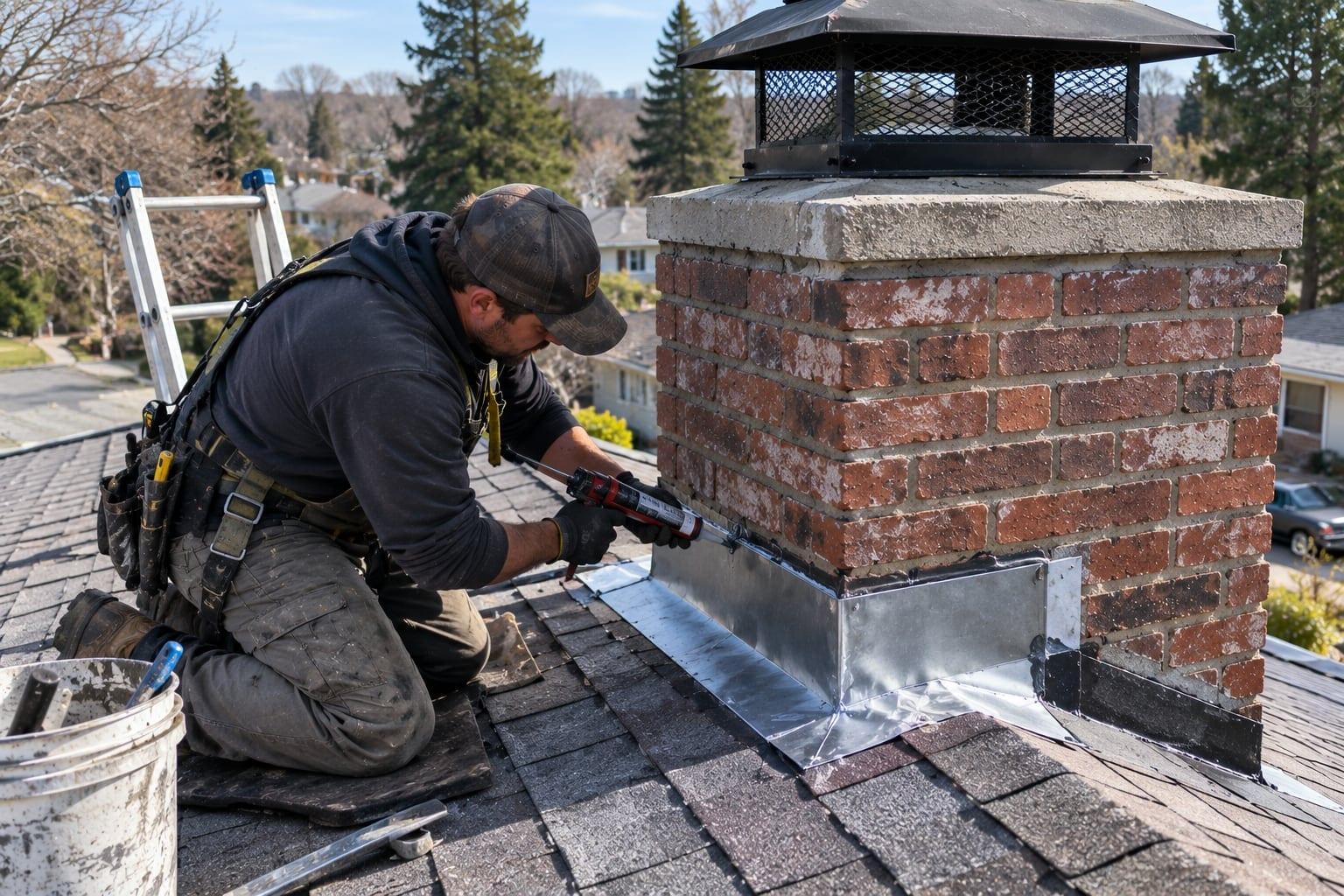
- Water stains or dripping around the fireplace point to a leaky chimney at the crown, flashing or cap. That calls for a repair, not a cleaning.
- Smoke rolling into the room can come from buildup, but a damper, cap or draft problem can cause it too, and the sweep checks for those.
- Scratching sounds or nesting material in the flue mean the animals and nest have to come out first, followed by a cap or screen to keep them out.
- A broken chimney after a storm, such as loose bricks, a damaged cap or a bent chase cover, needs a damage assessment before the next fire.
Booking a sweep for your Pleasanton home
Gas fireplace and gas appliance work is offered, and we work on all major brands of fireplaces, inserts and stoves.
For the rest of what we do for homeowners here, browse our services across Pleasanton.
Request an estimate
Call or request an estimate. Tell us what kind of fireplace or stove you have and roughly when it was last swept.
Sources (1)
The sources of the Pleasanton facts on this page.
- 1U.S. Census Bureau, American Community Survey 2019–2023 5-year estimates, table B25034 (Year Structure Built)