Chimney rebuild in brief
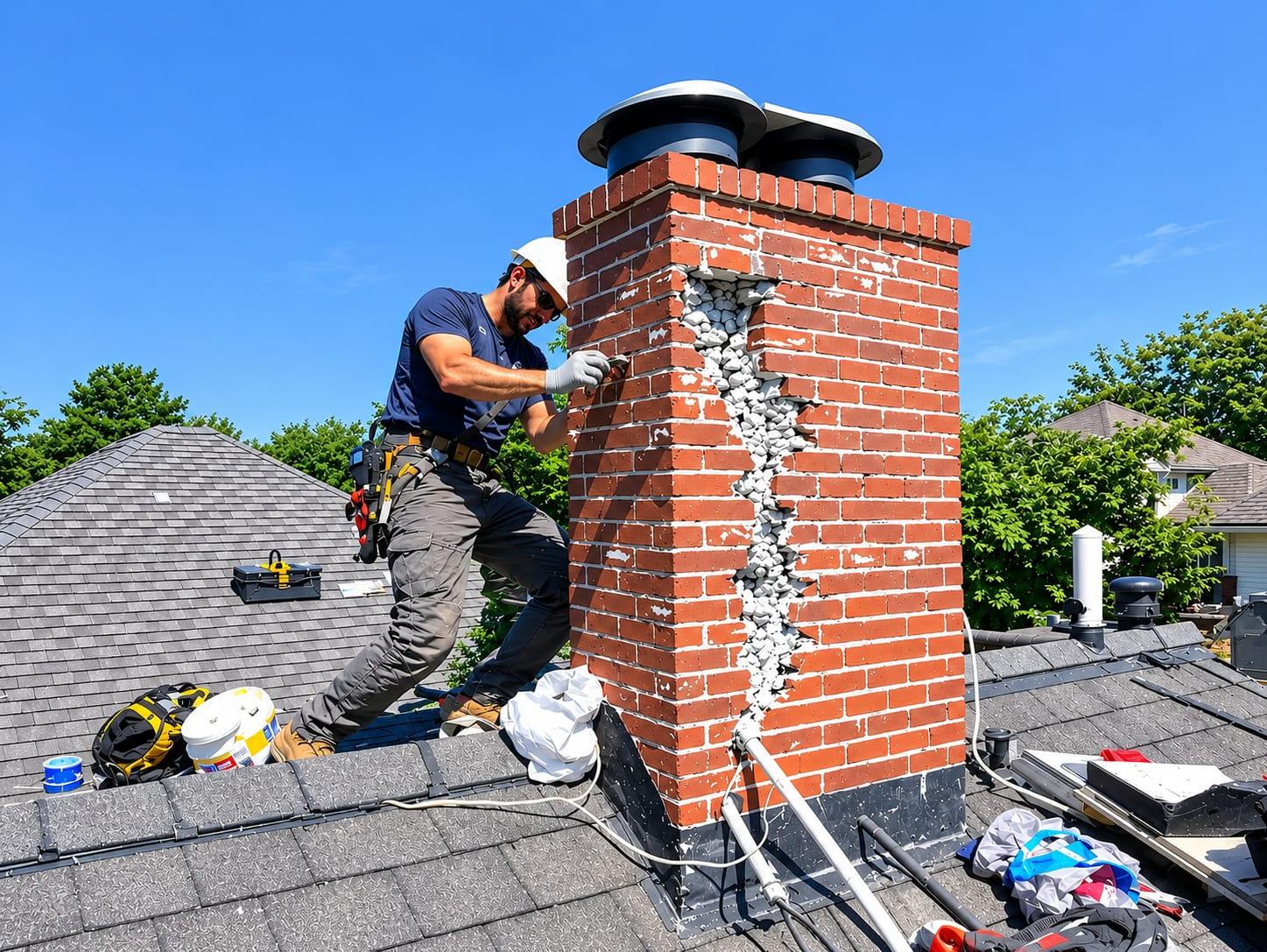
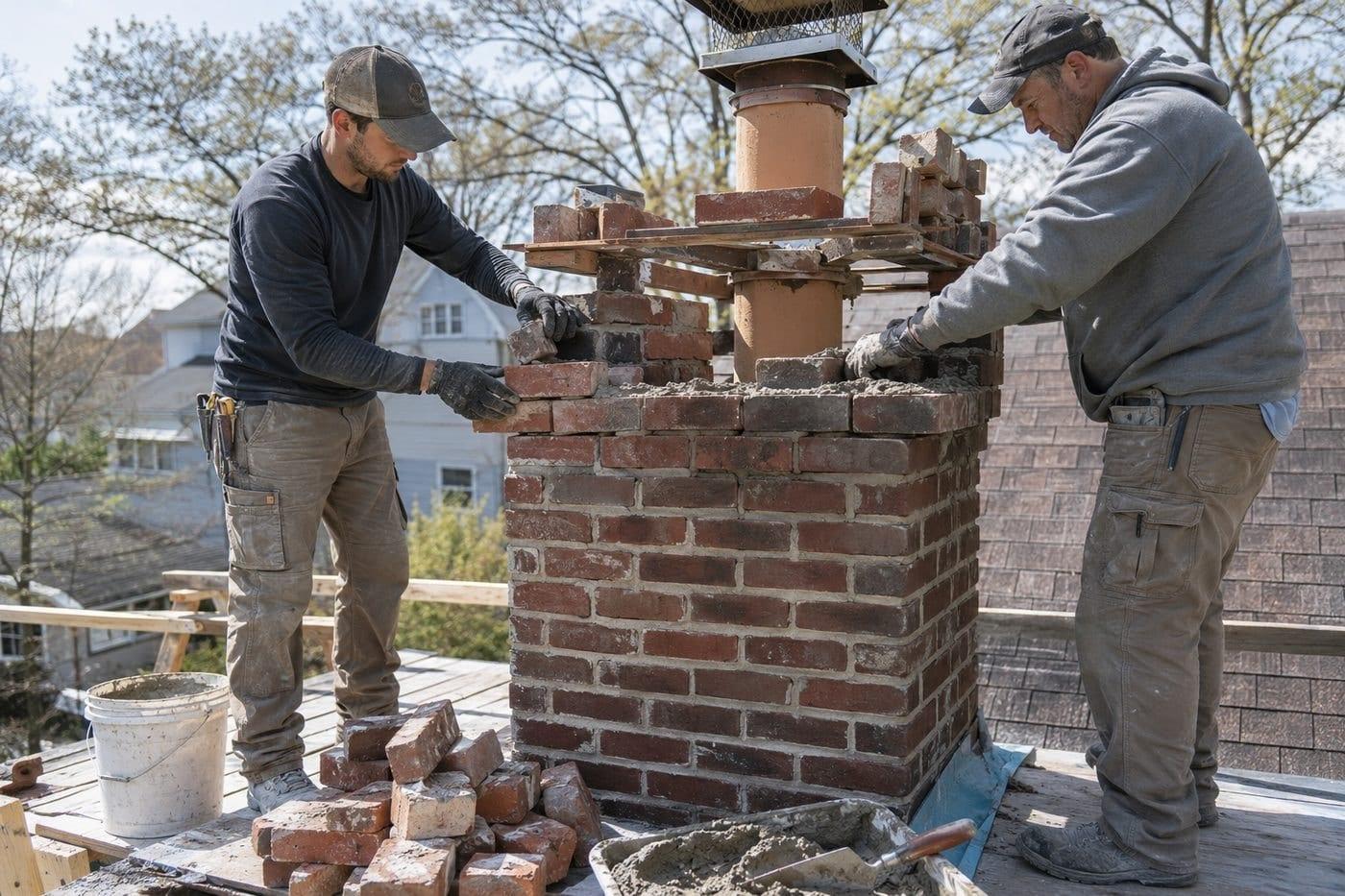
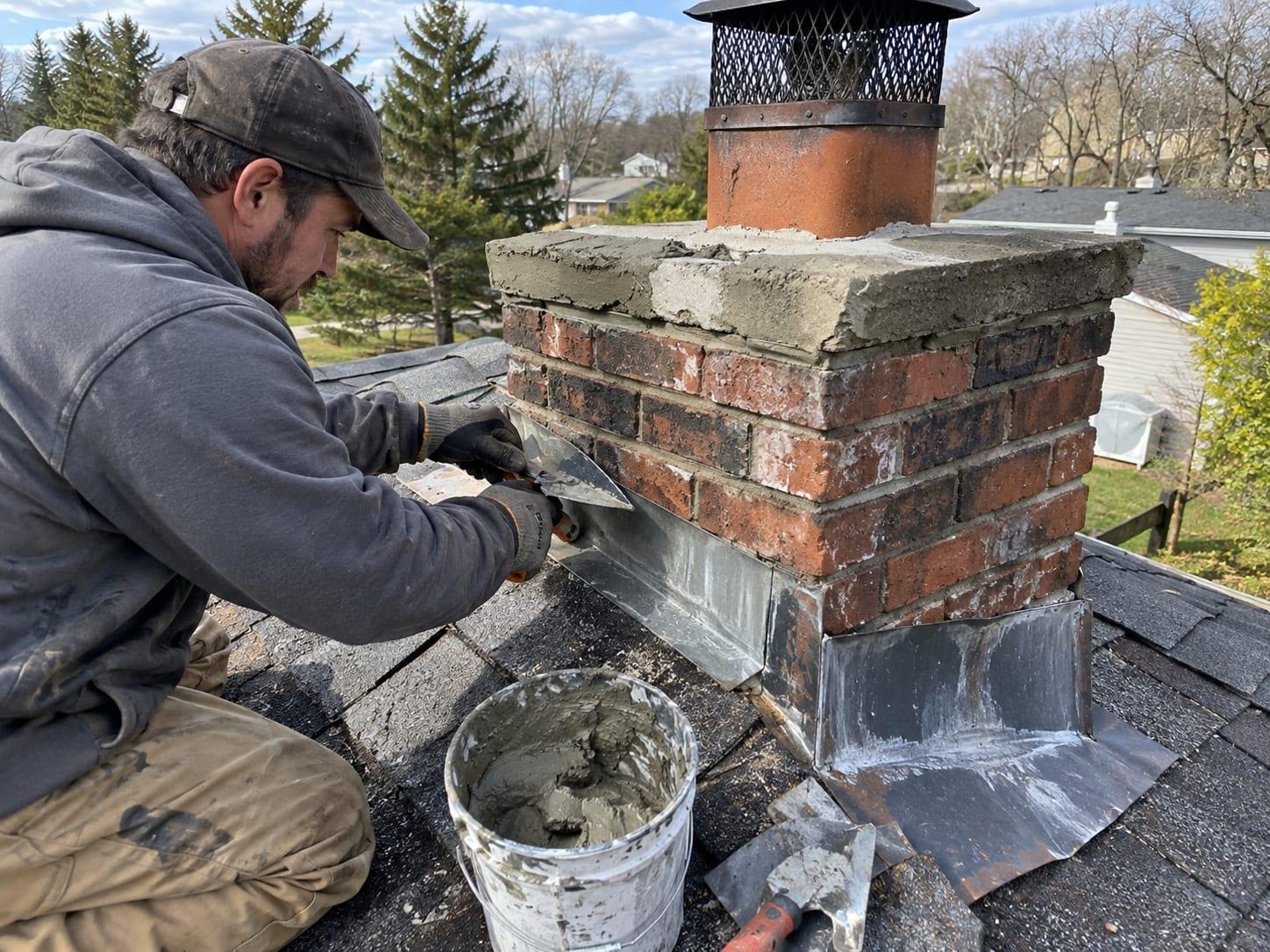
A rebuild takes a damaged chimney down to sound masonry and builds it back with new brick or block, new mortar joints and a new crown. Depending on the damage, that can be the top few courses or everything down to the roofline or below. A rebuild fits when the damage is beyond spot repairs: loose or missing brick, cracks running through the stack, or a chimney pulling away from the house. Materials, steps and what to expect on the day are covered in how chimney rebuild works.
City rules that shape a chimney rebuild
Several City of Palo Alto documents apply directly to rebuilding a chimney. Each one is listed below with its source and what it changes about the job.
City inspection before the work is covered up
The city's residential construction guide requires that all flues, vents, heating ducts and chimneys be inspected and approved by city building inspection after installation and before they are covered up (source: city Development Center, Residential Construction Guide, 7-2020). For a rebuild, a city inspector has to see and approve the new chimney work before it is hidden behind finishes.
The same guide sets the timing of the frame inspection: "After the roof is on and the exterior has been enclosed; framing, fire blocking and bracing is in place; and all pipes, chimneys, plumbing and heating vents and electrical wiring are complete and have been approved" (source: city building department, residential construction guide 7.1.20). If the rebuild is part of a larger remodel, the chimney has to be finished and approved before that frame inspection can move forward.
Taking the chimney down to the fireplace shoulders
Some rebuilds replace the masonry above the fireplace with a framed section instead of rebuilding it in brick. The city's Fireplace Chimney Transition Frame inspection guideline covers this approach and sets these conditions (source: city Development Services, Inspection Guidelines: Fireplace Chimney Transition Frame):
- The chimney must be removed to the fireplace shoulders.
- Chimney flue liners are listed as not allowed for this work.
- The framing and bracing method needs a city-approved, stamped engineered detail, including the chimney's allowable maximum height above the fireplace shoulders.
Because a stamped engineered detail is part of the approval, this version of the job starts with design work, not just demolition and masonry.
Unreinforced chimneys can't be made taller
The Fireplace Chimney Transition Frame inspection guideline states that unreinforced chimneys are not allowed to be extended (source: city Development Services, Inspection Guidelines: Fireplace Chimney Transition Frame). If you want more height on an old unreinforced chimney, stacking new brick on top of it isn't an option. The plan has to start from a different approach.
When a reroof inspection flags the chimney
The city's roofing inspection guideline for new roofs and reroofs states that when inspection finds an existing fireplace chimney unsafe, it must be repaired, rebuilt or replaced with an approved factory-built chimney (source: city Development Services, Inspection Guidelines: Roofing (New and Reroofs)). If a new roof is coming, a chimney inspection in Palo Alto before the roofers arrive lets you choose between those three options on your own schedule instead of in the middle of the project.
Multiple-family buildings in RM districts
Ordinance 5554 (2022) lets chimneys and flues up to 5 feet wide extend beyond the daylight plane in the city's multiple-family (RM) districts, within limits set by the building code chapter (source: city Ordinance No. 5554, Title 18 zoning amendments). This applies to owners and managers of multiple-family properties in RM districts.
The age of the city's housing
About 46% of the housing units in Palo Alto were built before 1960, and about 13% in 1939 or earlier (source: U.S. Census Bureau, American Community Survey 2019–2023 5-year estimates, table B25034, Year Structure Built). Those figures say nothing about any single chimney. As a general rule, though, masonry that has stood for many decades has had more time for mortar to wash out and for brick and crowns to crack.
When a rebuild is the right call, and when it isn't
A rebuild makes sense when the chimney's structure is failing. That includes a stack that has shifted or tilted (learn what causes a leaning chimney), brick that moves by hand, or cracking that runs through several courses. When damage is limited to worn mortar joints, a cracked crown or a few spalled bricks, repointing, crown repair or other masonry repair usually means less disruption and keeps the original chimney. If you can't tell which situation you're in, an inspection should come before any decision.
Changing the chimney's look during a rebuild
A rebuild is also a natural time for a chimney remodel: a different brick, a new crown profile or a cleaner finish at the top. Any change in height still runs into the limits above. Unreinforced chimneys can't be extended, and a transition frame's maximum height comes from its engineered detail.
Getting a rebuild estimate
Estimates are free. For the full process, read about the chimney rebuild service. For everything else we offer in the city, start with Palo Alto.
Free estimates.
Call or request an estimate to have a damaged chimney looked at and a rebuild planned around the city's inspection steps.
Sources (4)
The sources of the Palo Alto facts on this page.
- 1U.S. Census Bureau, American Community Survey 2019–2023 5-year estimates, table B25034 (Year Structure Built)
- 2City of Palo Alto Development Center - Residential Construction Guide (7-2020); City of Palo Alto Development Services - Inspection Guidelines: Fireplace Chimney Transition Frame; City of Palo Alto - Ordinance No. 5554 (Title 18 zoning amendments); City of Palo Alto Development Services - Inspection Guidelines: Roofing (New and Reroofs)
- 3residential construction guide 7.1.20
- 4City of Palo Alto Development Services - Inspection Guidelines: Fireplace Chimney Transition Frame