What a gas fireplace inspection covers
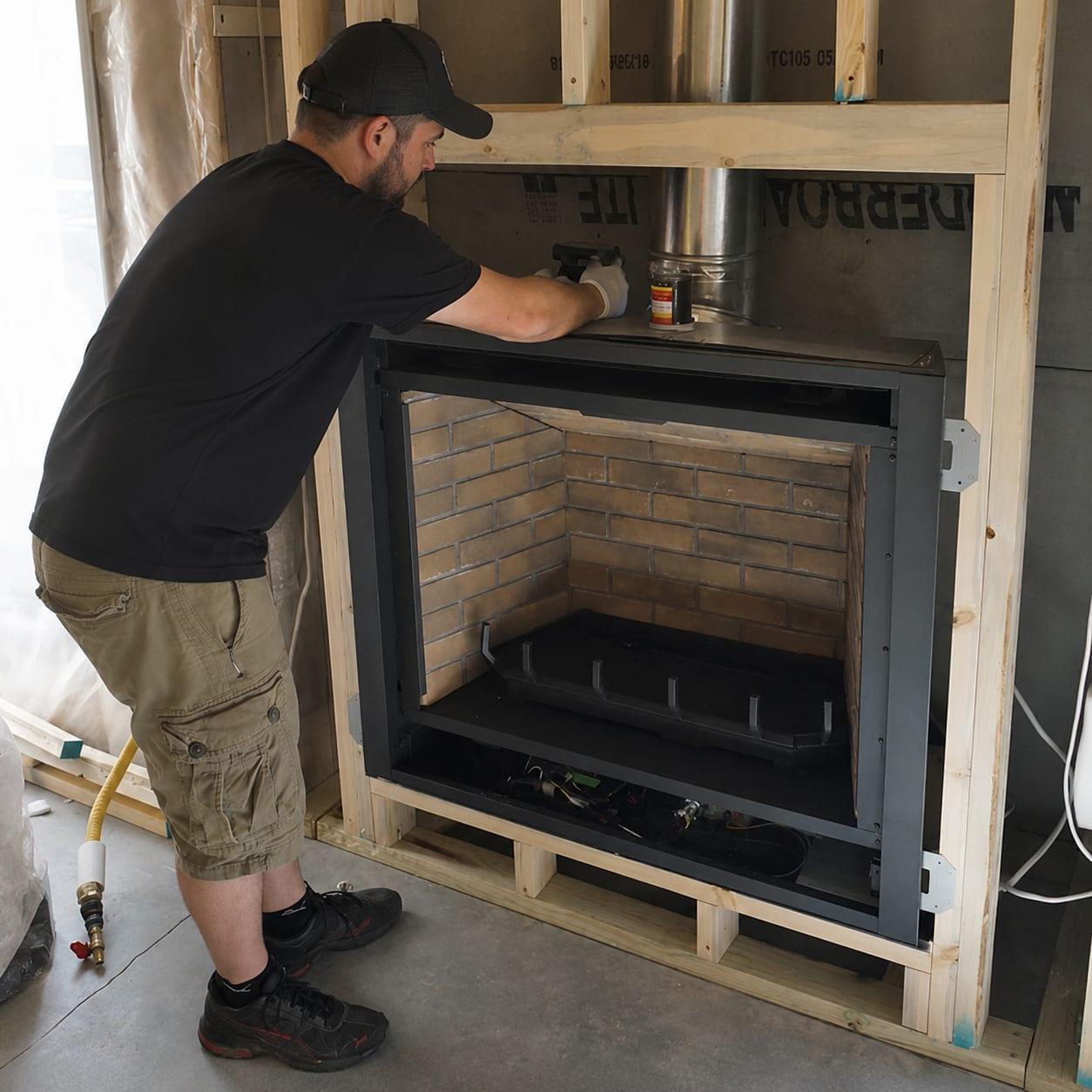
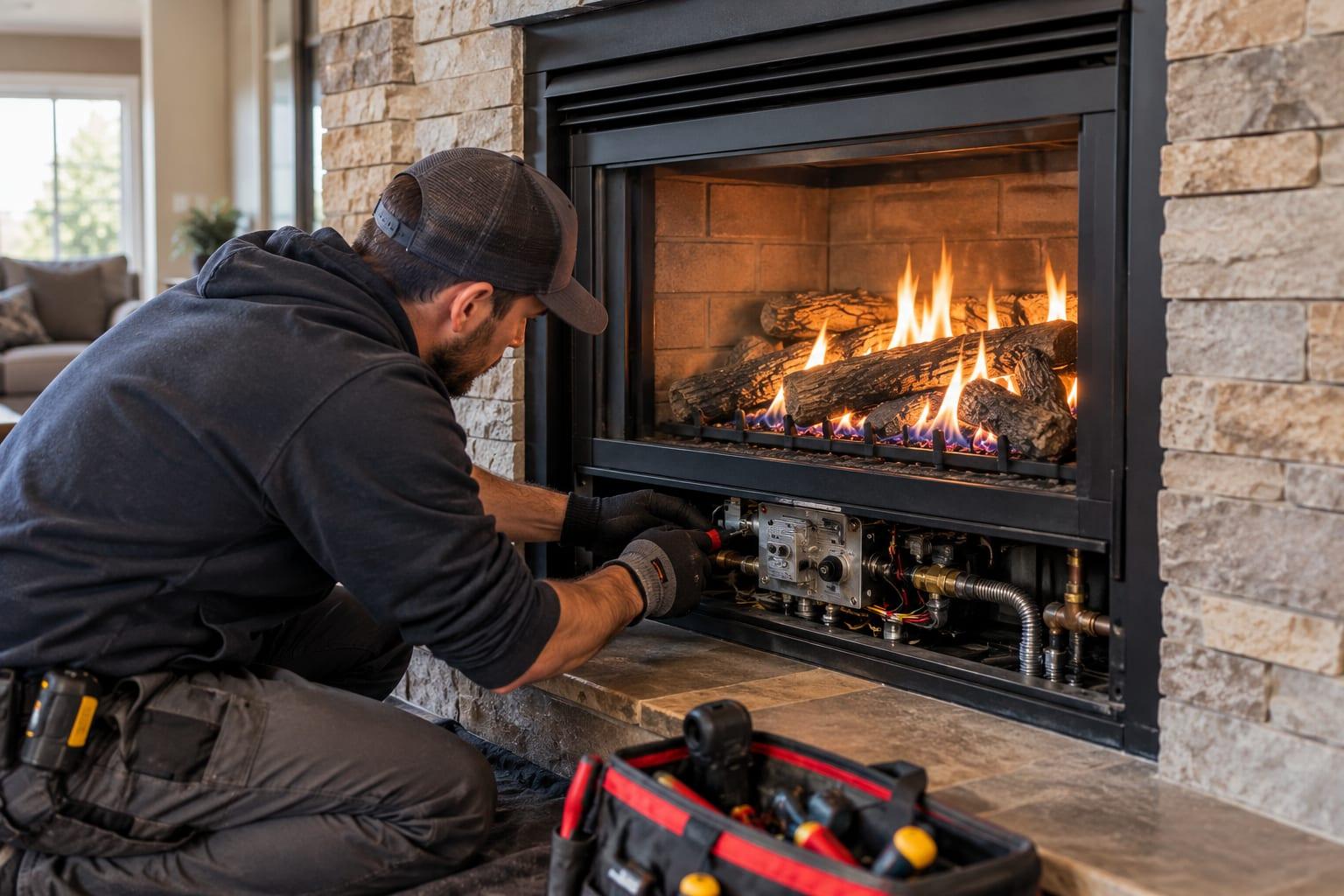
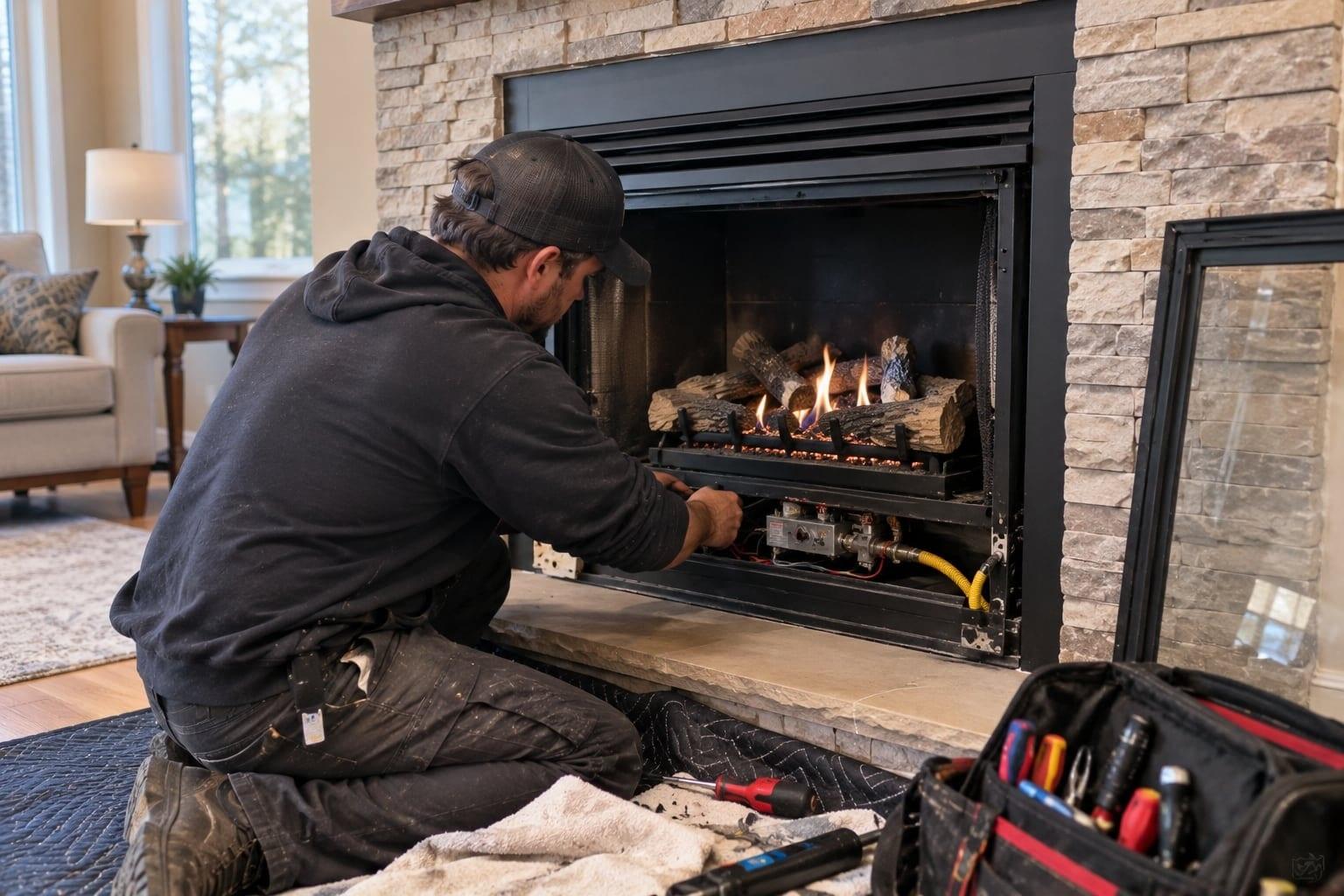
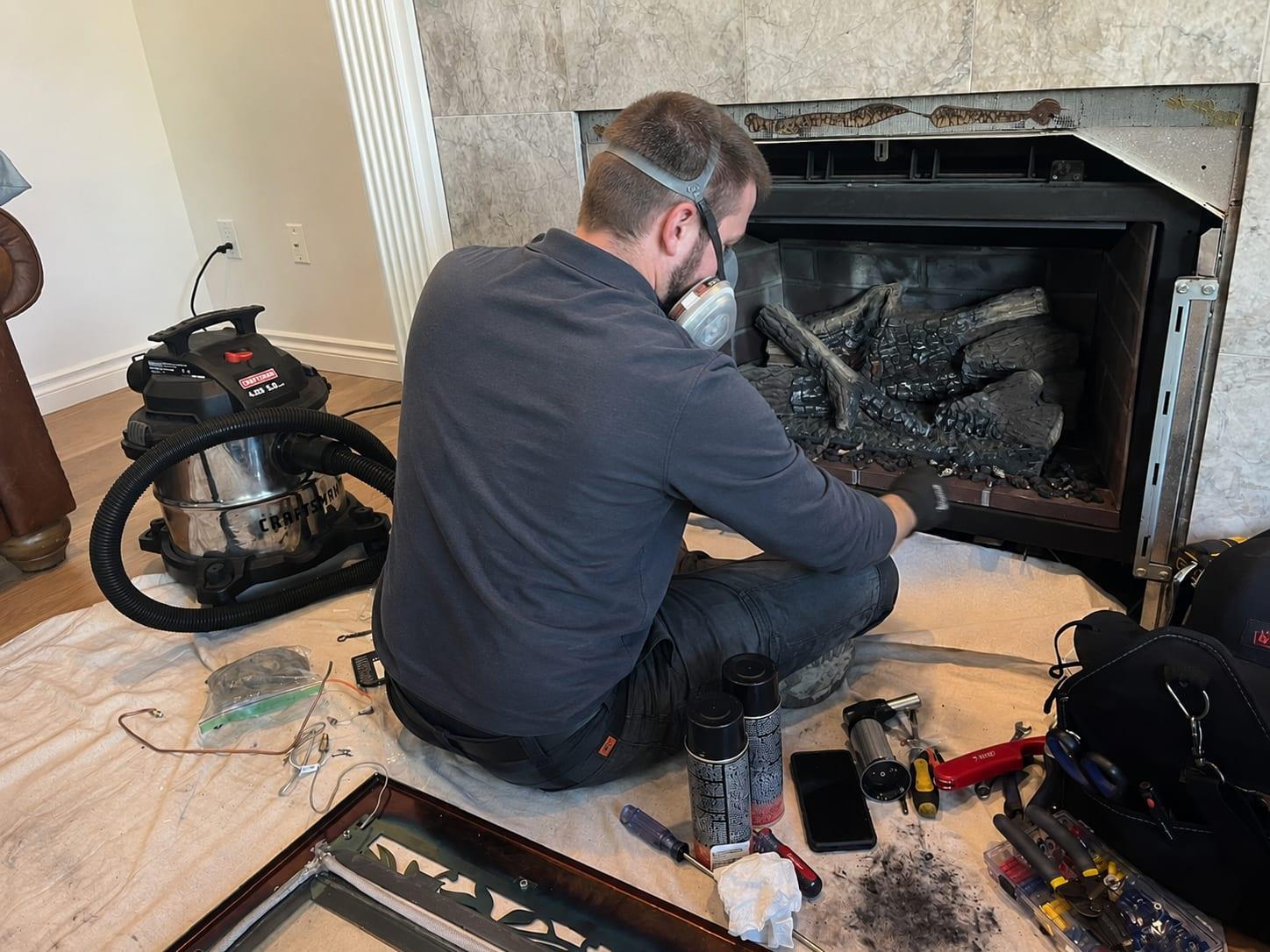
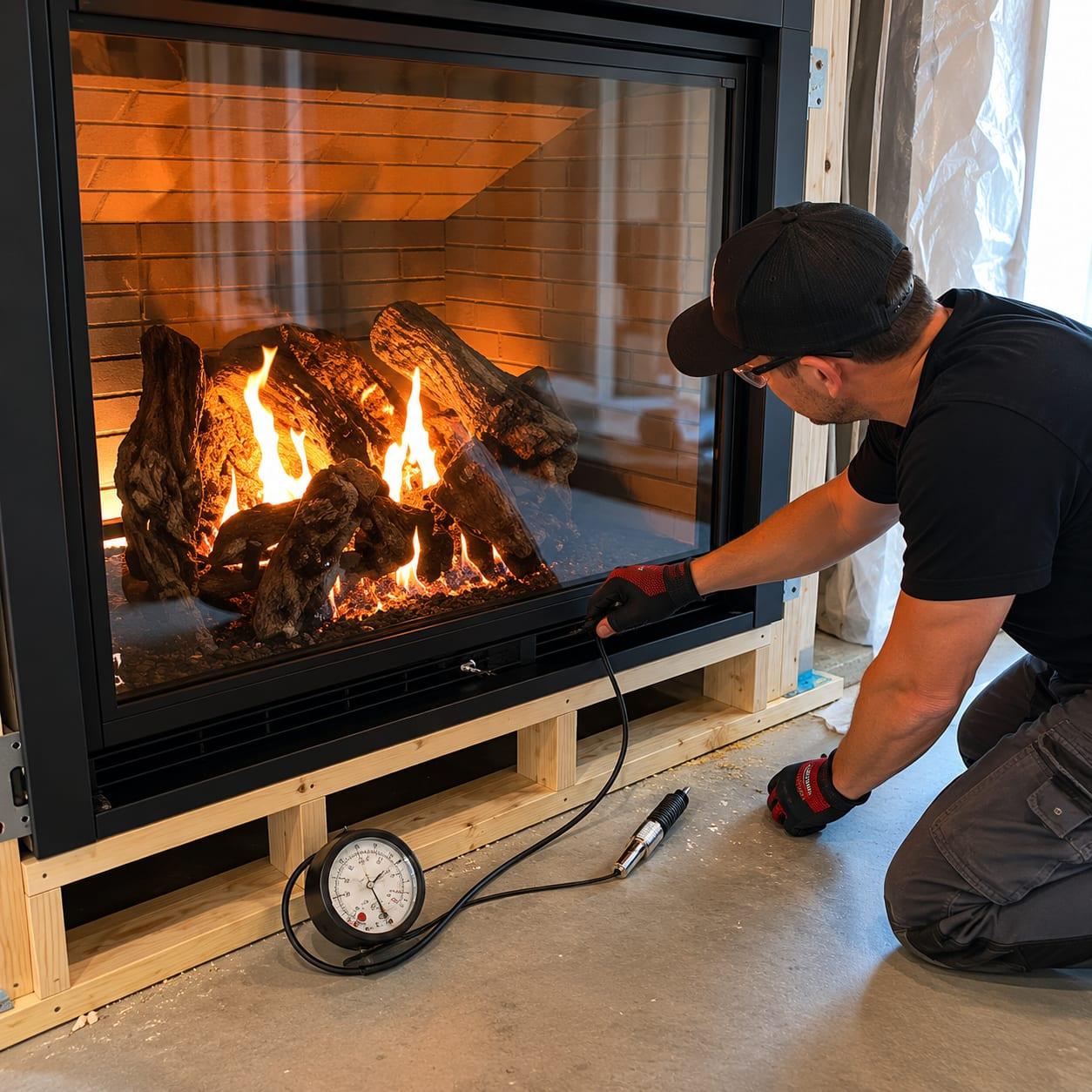
A gas fireplace inspection is a close look at the parts that keep the flame and its exhaust where they belong. That means the burner and logs or media, the pilot and ignition, the gas valve and connections, the glass and door seal on sealed units, and the vent or flue that carries combustion gases outside. We look for damage, blockages and signs that the unit isn't burning or venting properly, then walk you through what we found. For the full checklist and how a visit runs, read how gas fireplace inspection works.
What Palo Alto's housing and building records mean for your gas fireplace
A housing stock that skews older
About 46% of the housing units in Palo Alto were built before 1960, and about 13% in 1939 or earlier. That figure comes from the U.S. Census Bureau, American Community Survey 2019–2023 5-year estimates, table B25034 (Year Structure Built).
In a house of that age, a gas fireplace may have been added after the house was built. It could be gas logs set into an original masonry firebox, or an insert or factory-built unit put in during a remodel. Where older and newer parts meet, an inspection is worth having. We check the gas connection and how the unit vents, whether through the existing chimney or its own vent. We also check that the damper, liner or chimney the appliance depends on is sound. If the masonry chimney itself is the bigger question, a chimney inspection for homes in Palo Alto looks at the whole structure.
Chimneys and vents are approved before walls are closed
The Palo Alto building department's residential construction guide (7.1.20) describes the frame inspection stage this way: "After the roof is on and the exterior has been enclosed; framing, fire blocking and bracing is in place; and all pipes, chimneys, plumbing and heating vents and electrical wiring are complete and have been approved."
If your remodel or new construction includes a gas fireplace, its chimney or vent run has to be complete and approved before that frame inspection. Our inspection doesn't replace the city's. It helps before the project, so you know what the existing unit and vent need. Afterward, it serves as routine upkeep once the fireplace is in use.
New wood-burning fireplaces and stoves are prohibited
The same residential construction guide (7.1.20) states that a Palo Alto ordinance prohibits the installation of new wood-burning fireplaces and wood-burning stoves. Exterior wood-burning fireplaces and barbecues are exempt.
If you're planning a new indoor fireplace, wood is off the table. If you already have a gas unit, or you're weighing a switch to gas, start by inspecting the existing fireplace and its venting. Then you can decide whether to service what's there, convert it or replace it. We do that follow-on work too, including gas fireplace installation, gas log installation and fireplace conversion.
When to book an inspection, and when another job fits better
- Book an inspection before you relight a gas fireplace that hasn't been used in a while, or one that came with a house you just bought.
- Book one when the pilot won't stay lit, the flame looks weak or unusually yellow, or the glass fogs or darkens quickly. If you smell gas, leave the house and call your gas utility or 911 before anything else.
- Book one before you convert, replace or add a fireplace, so the plan starts from the condition of what you already have.
- If the glass is cloudy or the logs are sooty but the unit runs normally, cleaning may be all it needs. Our guide to gas fireplace needs cleaning covers the signs.
Booking a visit
We run 24-hour service seven days a week, and emergency calls are accepted. We work on all major brands of gas fireplaces, inserts and logs. We also take on commercial and property-manager work.
Get in touch to request an estimate. To read more first, the gas fireplace inspection service page has the details, and our area page lists everything else we do in Palo Alto.
Sources (2)
The sources of the Palo Alto facts on this page.
- 1U.S. Census Bureau, American Community Survey 2019–2023 5-year estimates, table B25034 (Year Structure Built)
- 2residential construction guide 7.1.20