Fireplace vent cleaning in brief
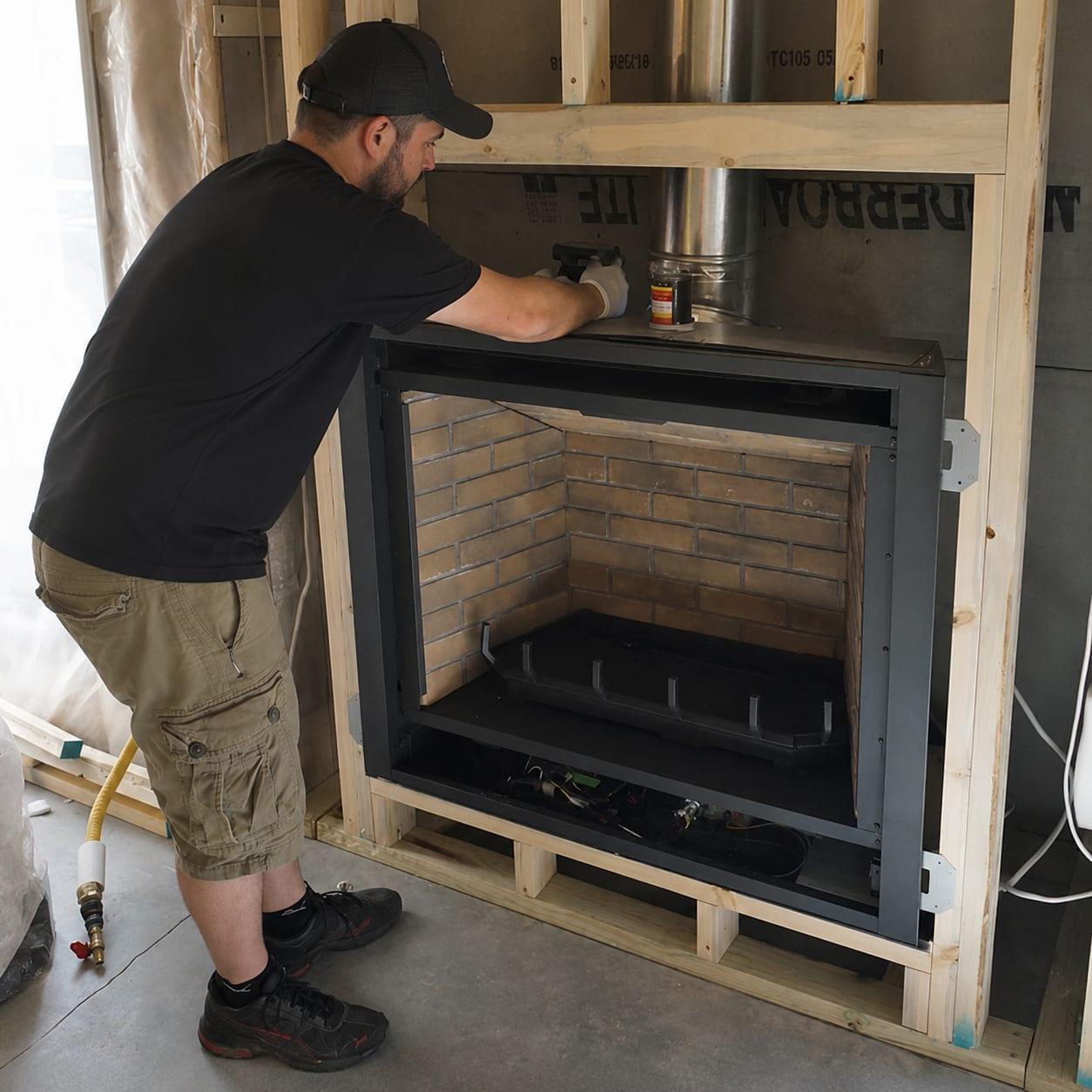
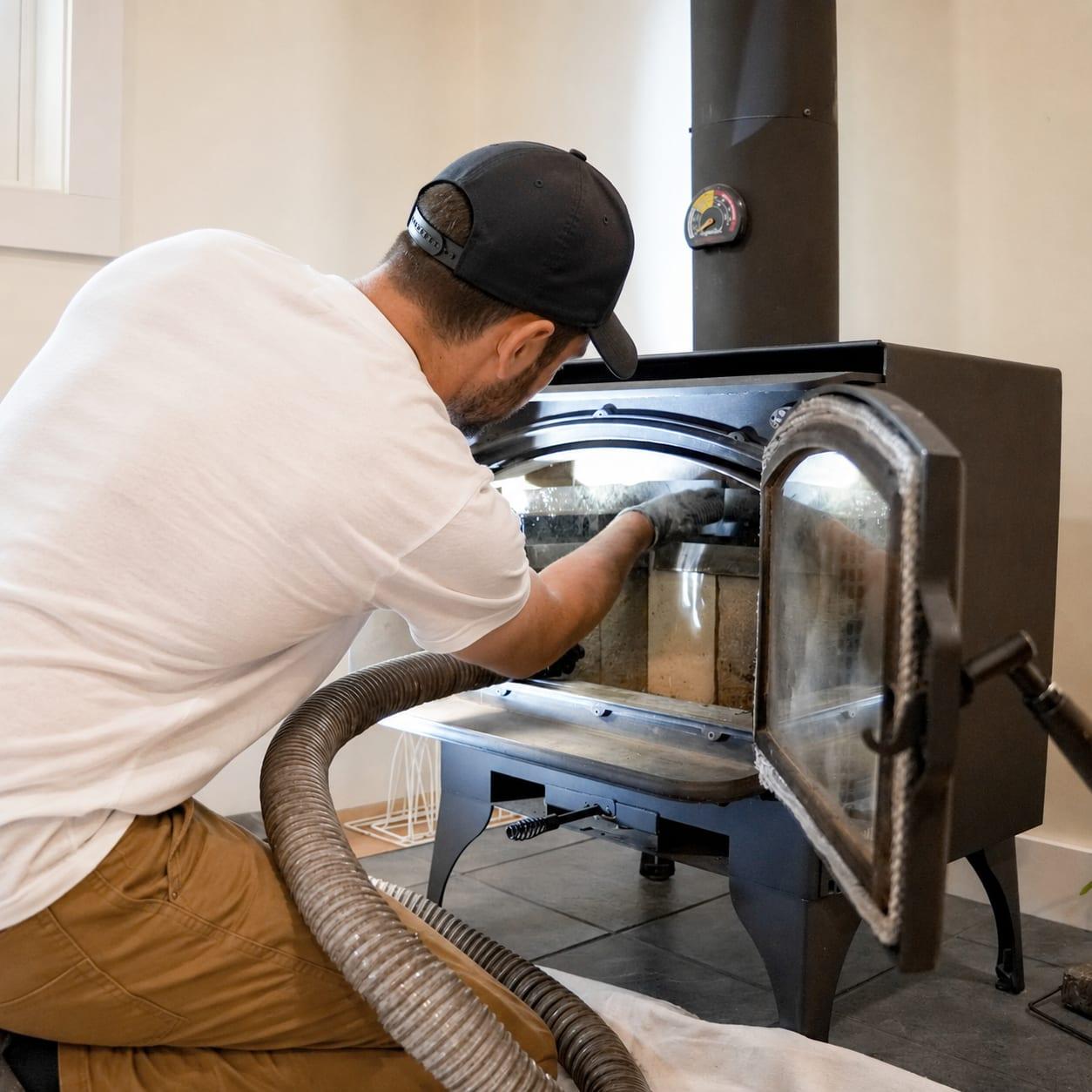
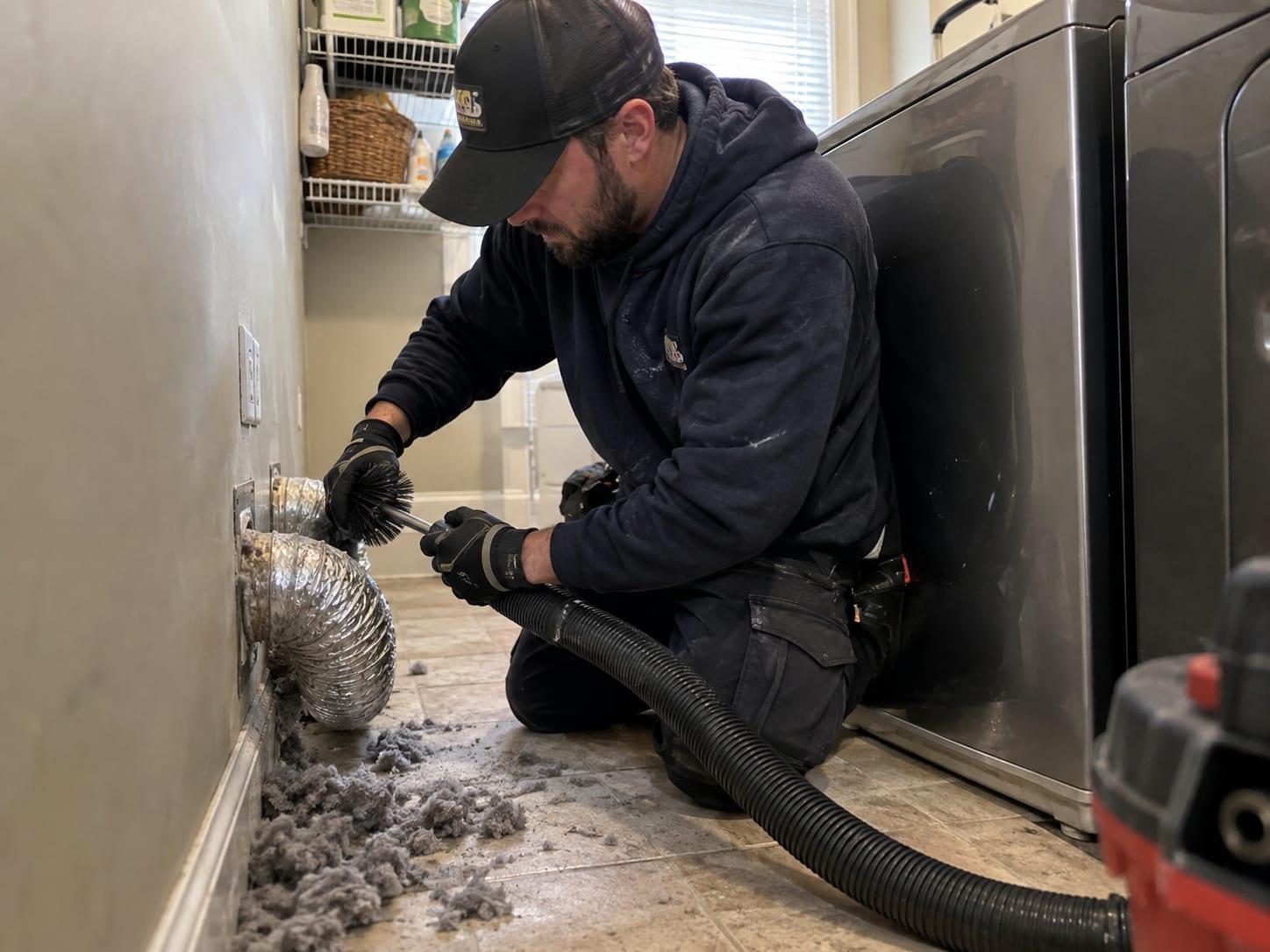
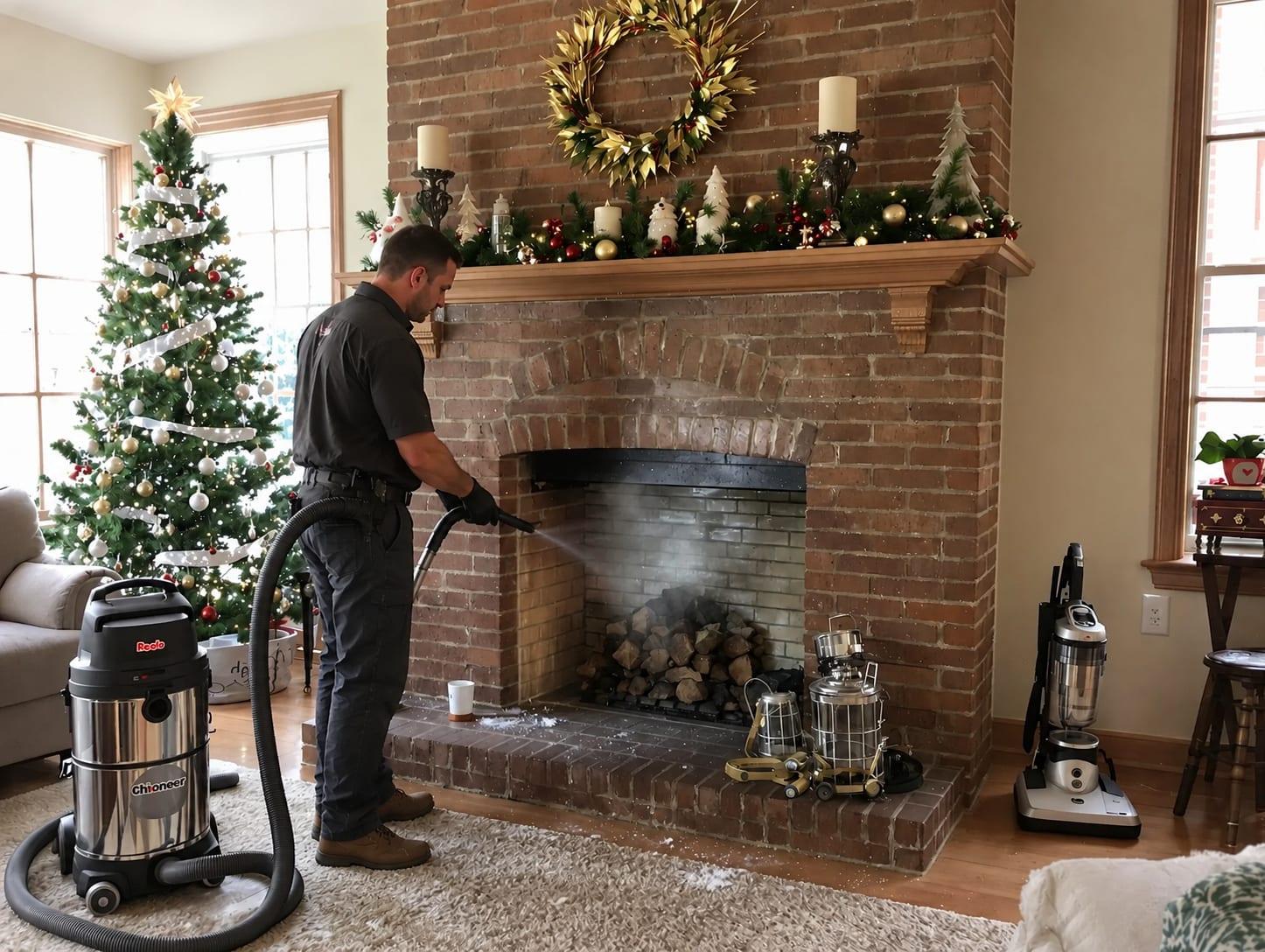
Fireplace vent cleaning removes the soot, creosote and debris that collect in the passage that carries smoke and combustion gases out of the house. On a wood-burning fireplace, we brush the flue and clear out what falls into the smoke chamber and firebox. On a gas unit, we clear the vent path and check that nothing is blocking it. Leaves and nests come out at the same time. For the full step-by-step, read how fireplace vent cleaning works.
What affects fireplace vent cleaning in Palo Alto
- About 46% of the housing units in Palo Alto were built before 1960, and about 13% in 1939 or earlier. Source: U.S. Census Bureau, American Community Survey 2019–2023 5-year estimates, table B25034 (Year Structure Built).
- Fireplace – A Palo Alto Ordinance prohibits the installation of new wood burning fireplaces and wood burning stoves. Exterior wood burning fireplaces and Bar-B-Q’s are exempt from the ordinance. (Palo Alto building department). Source: residential construction guide 7.1.20.
What Palo Alto's housing and fireplace rules mean for vent cleaning
Many homes are decades old
According to the U.S. Census Bureau's American Community Survey 2019–2023 5-year estimates (table B25034, Year Structure Built), about 46% of the housing units in Palo Alto were built before 1960, and about 13% in 1939 or earlier. Age alone doesn't make a vent dirty. Still, a fireplace in an older home may have decades of fires behind it and no record of its last cleaning. If you don't know when the vent was last cleaned, have it done before you light the first fire of the season.
New wood-burning fireplaces aren't allowed indoors
The Palo Alto building department's residential construction guide (7.1.20) states that a Palo Alto ordinance prohibits installing new wood-burning fireplaces and wood-burning stoves. It also states that exterior wood-burning fireplaces and barbecues are exempt from the ordinance.
The rule covers new installations. A wood-burning fireplace or stove already in your home still leaves soot and creosote every time you use it, and its vent still needs regular cleaning. Because exterior wood-burning fireplaces are exempt, an outdoor fireplace may also burn wood, and its flue builds up deposits like any other. Once a wood-burning fireplace is gone, it can't come back as a new indoor wood-burner, so keeping an existing one clean and working is worth the effort.
General signs a fireplace vent is due for cleaning
- Smoke drifts into the room instead of going up
- A smoky or tar-like smell, especially on humid days
- Fires are hard to start or keep going
- Black flakes or debris land on the hearth or in the firebox
- Soot builds up on the glass of a gas fireplace
- You can't remember the last cleaning, or you just bought the house
When cleaning is the right job, and when it isn't
Cleaning is the right job when the problem is buildup: soot, creosote, leaves or a nest. It won't fix a cracked flue, a damaged liner, a missing cap or water getting in. If you aren't sure what condition your system is in, or you're buying or selling a home, book a chimney inspection in Palo Alto first. Cleaning can follow if the inspection calls for it.
Gas fireplaces produce far less soot than wood, but their vents and glass still need attention. We work on gas fireplaces and gas appliances and on all major brands. For the warning signs on gas units, read our guide to gas fireplace needs cleaning.
Booking a vent cleaning in Palo Alto
We accept emergency calls, and our 24-hour service runs seven days a week. We also handle commercial and property-manager work, so rentals and multi-unit buildings are covered too. To get started, call or request an estimate. You can also read more about our fireplace vent cleaning service or browse everything we do in Palo Alto.
Free estimates.
Get in touch to have your fireplace vent cleaned. We'll explain what we find and what, if anything, needs attention beyond the cleaning.
Sources (2)
The sources of the Palo Alto facts on this page.
- 1U.S. Census Bureau, American Community Survey 2019–2023 5-year estimates, table B25034 (Year Structure Built)
- 2residential construction guide 7.1.20