When the fireplace clicks, sparks or does nothing at all
A gas fireplace is built to keep the gas off unless it can prove a flame is there. A sensor at the pilot has to feel heat before the valve will stay open, and the switch, remote or thermostat has to send a clean signal before the main burner comes on. When any link in that chain weakens, the fireplace refuses to light. It's frustrating, but it's usually the safety system doing its job.
If you smell gas, stop here
Leave the building right away. Don't turn lights, appliances or switches on or off, don't use a phone inside, and don't light anything. Once you're outside, call your gas utility or 911.
Common signs of a gas fireplace that won't light
- The igniter clicks, but no pilot flame appears.
- The pilot lights, then goes out as soon as you release the control knob.
- The pilot stays lit, but the main burner ignores the wall switch, remote or thermostat.
- Nothing happens at all: no click, and no response from the remote or receiver.
- It lights some days and not others, or lights late with a pop or a whoosh.
- The pilot flame looks small, weak or yellow, or it lifts away from the sensor next to it.
- The fireplace lights, runs for a few minutes, then shuts itself off.
Possible causes of a gas fireplace that won't light
Several different faults produce the same symptom, so the cause is confirmed by testing, not by guessing. These are the usual suspects and how each one is checked.
| Possible cause | What it can look like | How it's checked |
|---|---|---|
| Weak or dead batteries in the remote, receiver or ignition module | No click, no response, or response only from close range | Batteries and receiver tested, then wiring traced if they're fine |
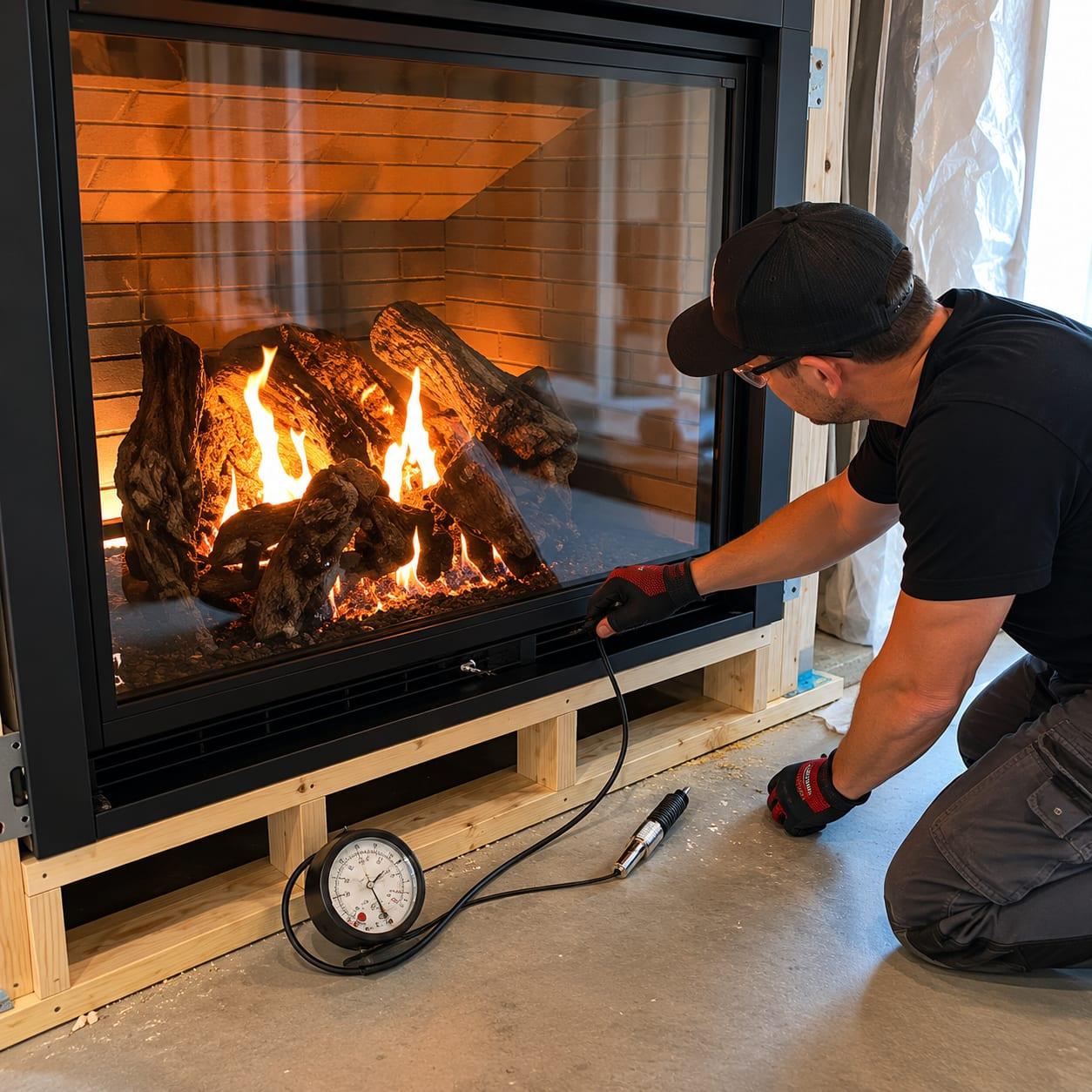
| Worn or dirty thermocouple or thermopile | Pilot lights but drops out when the knob is released, or pilot stays lit but the burner won't come on | Output measured with a meter while the pilot is running |
| Dirty or partly blocked pilot assembly | Small, lazy or yellow pilot that doesn't wrap the sensor properly | Pilot hood and orifice inspected and cleaned |
| Faulty igniter or spark electrode | No spark, or a spark that jumps to the wrong spot | Electrode gap, wire and igniter checked |
| Gas supply problem | Nothing lights at all; other gas appliances may also be affected | Shutoff valve positions and supply to the unit checked |
| Wall switch, thermostat or wiring fault | Pilot is fine, but the burner ignores the switch | Circuit tested from the switch to the gas valve |
| Safety sensor shutdown (oxygen depletion sensor on vent-free units, or a venting sensor) | Lights, then shuts off after running for a while | Sensor condition and venting checked |
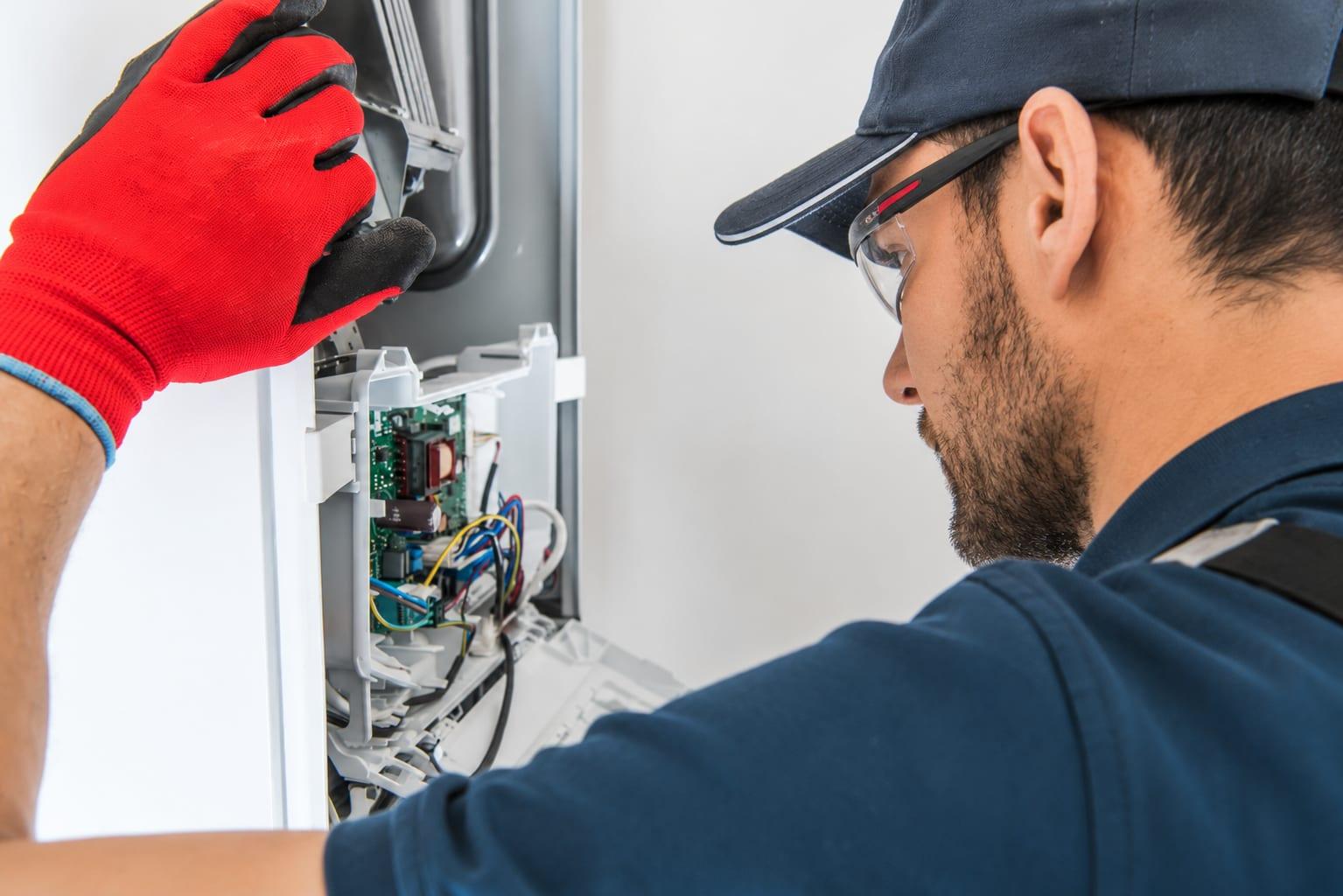
| Failing gas valve or electronic control module | Erratic behavior after the simpler parts test fine | Tested once the easier causes are ruled out |
How urgent is it, and when to stop using the fireplace
A fireplace that simply won't light is usually not dangerous by itself, because the controls are keeping the gas off. It can generally wait for a scheduled visit. Stop using it and have it looked at before trying again if you notice any of these:
- A gas smell. Follow the safety steps above first.
- Delayed ignition: a loud pop, boom or puff of flame when the burner finally catches.
- Flames rolling out of the firebox or scorch marks around the opening.
- Soot on the logs or glass, or a white haze that builds up quickly. Learning what causes cloudy fireplace glass helps you tell normal film from a combustion problem.
- Cracked, chipped or loose glass.
- Repeated shutoffs after the fireplace has been running.
- If a carbon monoxide alarm sounds, get everyone outside and call 911. Get everyone outside and call 911 from outside.
What usually fixes a gas fireplace that won't light
Most no-light problems are fixed with cleaning or a single part: a cleaned pilot assembly, a new thermocouple or thermopile, a replacement igniter, fresh batteries, repaired switch wiring, or in less common cases a new gas valve or control module. Our gas fireplace repair service covers finding the failed part and replacing it. We work on all major brands of gas fireplaces and inserts.
How a no-light visit is handled
Safety check first
Confirm there's no gas odor, look over the glass, burner area and venting, and note any soot or scorching.
Test the ignition chain
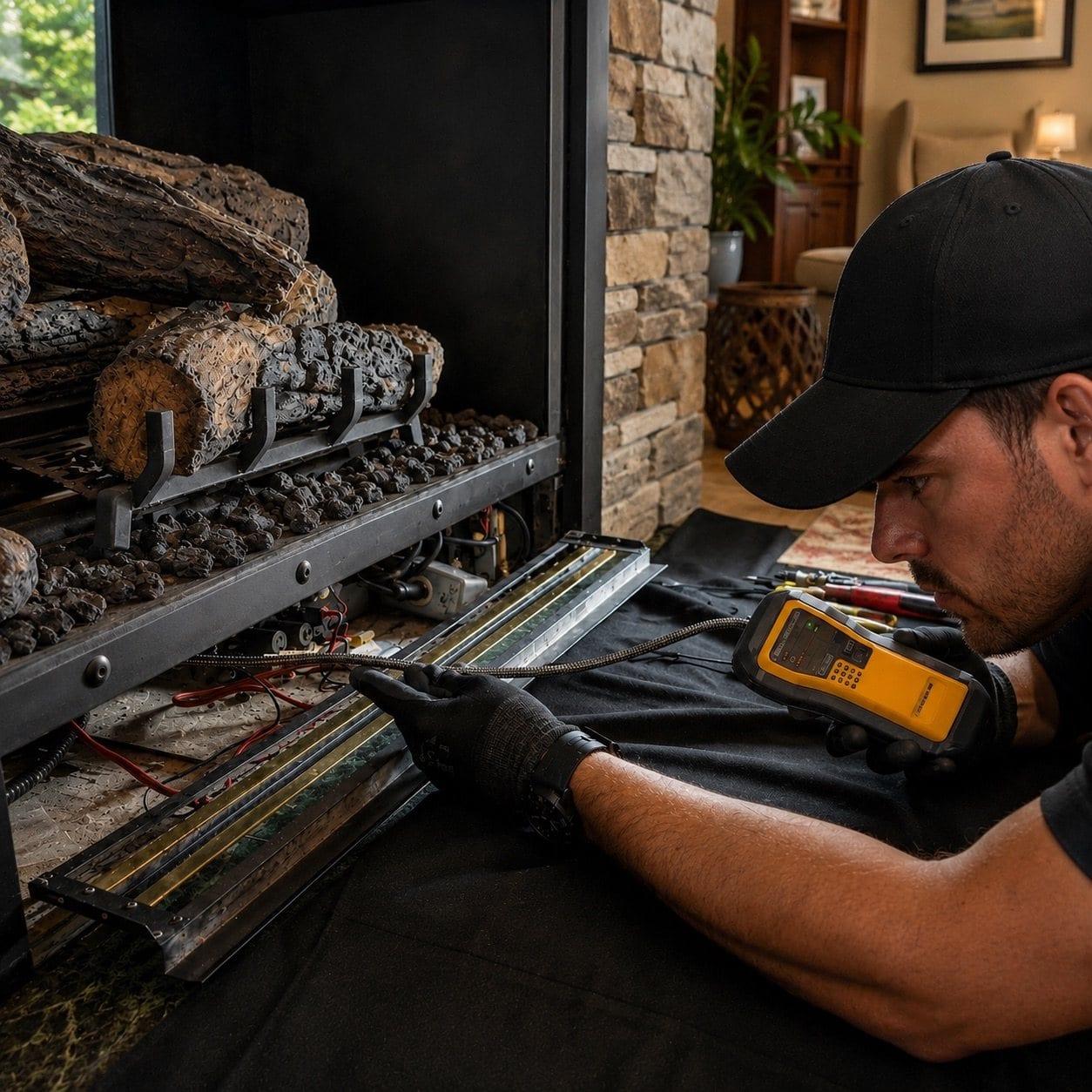
Work from the switch or remote through the receiver, igniter, pilot and sensor to the gas valve, testing each part instead of swapping parts at random.
Clean or replace what failed
Clean the pilot assembly if it's dirty, or replace the part that tested bad.
Light it and watch it run
Check the pilot and burner flame pattern, then confirm the fireplace shuts off the way it should.
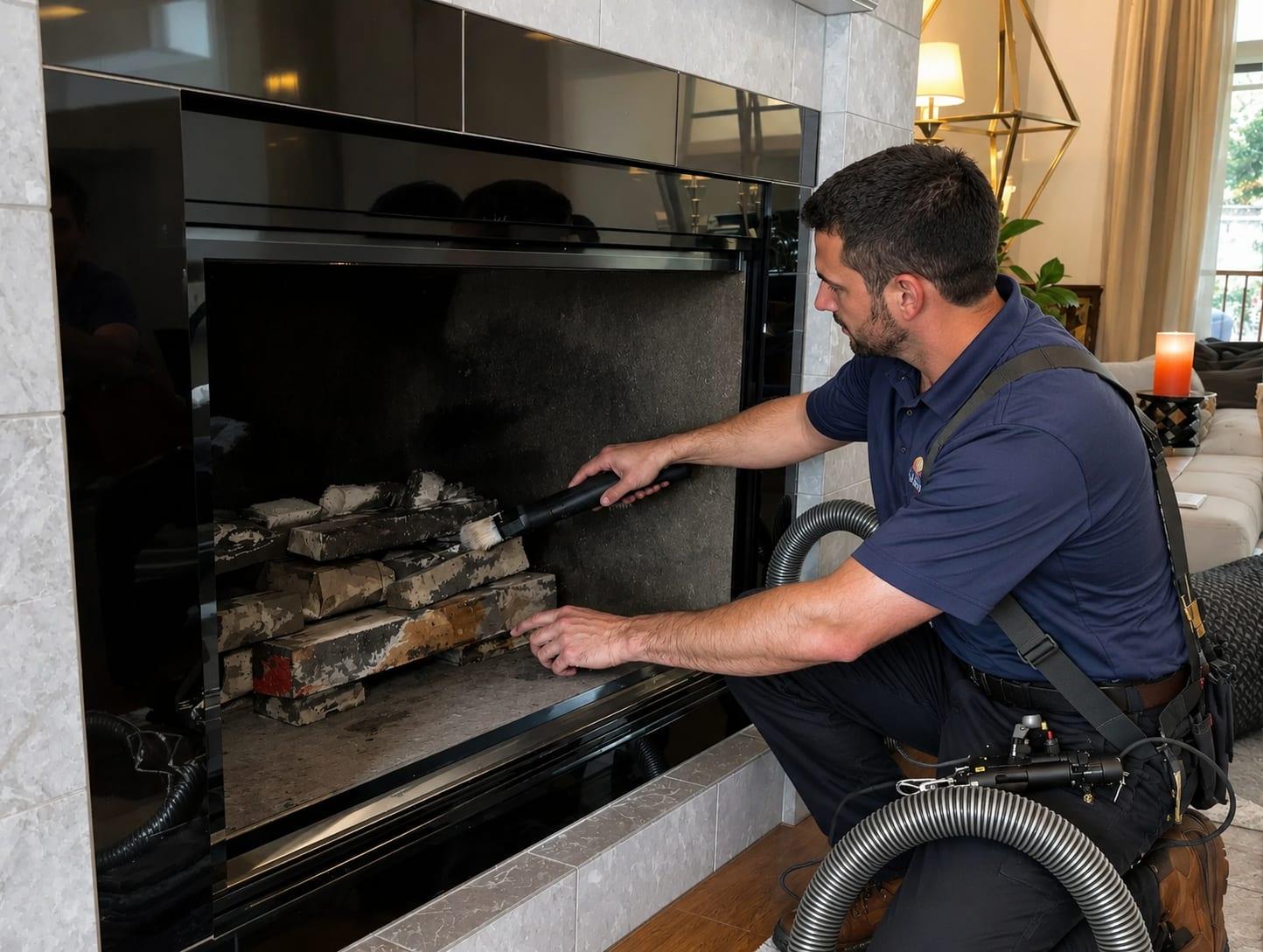
Dust, lint and debris around the pilot are a common reason a fireplace stops lighting, and routine gas fireplace maintenance cleans that area and checks the sensor before it fails mid-season. Our guide on whether your gas fireplace needs cleaning covers the signs to watch for.
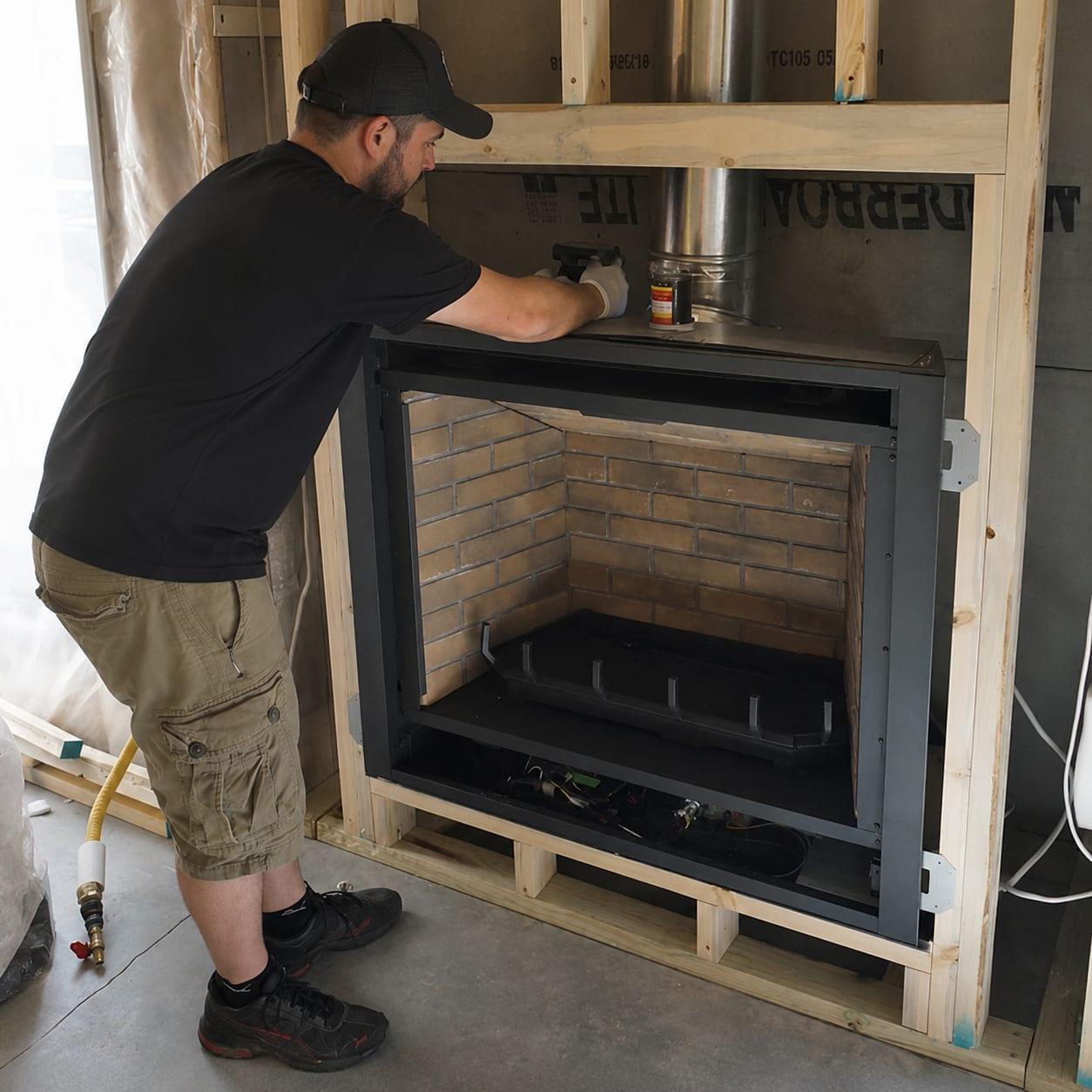
On an older unit where repairs keep adding up, replacement can be the better choice. We also install gas and electric fireplace inserts, and our comparison of an electric vs gas fireplace insert lays out the trade-offs.
What not to do
- Don't keep clicking the igniter or holding the knob in over and over. Gas can build up and light all at once.
- Follow the lighting instructions on the unit's label, including the waiting time it specifies between attempts.
- Don't bypass, jumper or remove a safety sensor to get the fireplace running.
- Don't take apart the gas valve or loosen gas fittings.
- Don't run the fireplace with the glass removed, cracked or loose.
- Don't hold a match or lighter to the burner unless the manufacturer's instructions call for it.
Related problems
A faint odor the first time the fireplace runs each season is different from a gas leak. Reading what causes gas fireplace smell explains the difference, but a strong smell always means leaving the house first. If you'd like to know what to expect before booking, here's how gas fireplace repair works.