The short answer
A gas insert is a heating appliance: it burns fuel, makes a real flame and can warm a room or more. It needs a gas supply, a sealed vent up the chimney and a yearly checkup. An electric insert is closer to a built-in space heater with a flame effect. It needs only power, burns nothing and vents nothing, but its heat is modest and the flame is simulated. If heat is the main goal, gas usually wins. If you mainly want the look of a fire in an unused fireplace with as little fuss as possible, electric usually wins.
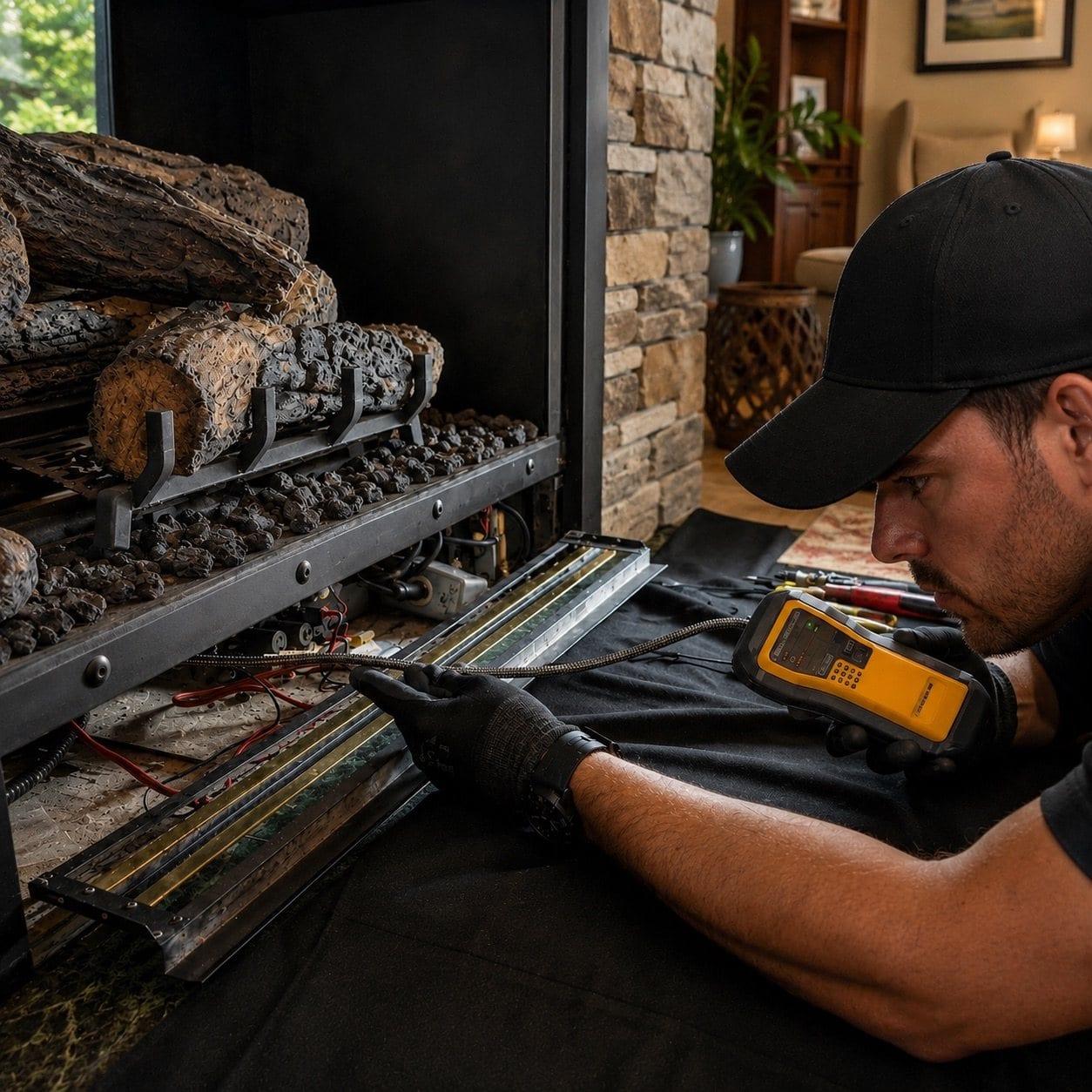
Electric vs gas fireplace insert, side by side
| Feature | Electric insert | Gas insert |
|---|---|---|
| Heat | Supplemental, similar to a portable space heater | Real combustion heat that can warm a room or more |
| Flame | Simulated with lights and effects | Real flame over ceramic logs or media |
| Venting | None needed | Sealed vent, usually liners run up the existing chimney |
| Hookup | Standard outlet or a hardwired circuit | Gas supply line plus electrical for fans or ignition on many models |
| Power outage | Does not run | Some models can run without power; many fans and ignitions need it |
| Combustion safety | No flame, no exhaust, no carbon monoxide | Produces exhaust; venting and a carbon monoxide alarm matter |
| Upkeep | Occasional dusting and checks on the fan and lights | Yearly inspection and cleaning of burner, glass, pilot and vent |
| Fireplace condition | Fits most openings; the flue is closed off | Chimney must be sound enough to carry the vent liners |
Heat
- Electric insert
- Supplemental, similar to a portable space heater
- Gas insert
- Real combustion heat that can warm a room or more
Flame
- Electric insert
- Simulated with lights and effects
- Gas insert
- Real flame over ceramic logs or media
Venting
- Electric insert
- None needed
- Gas insert
- Sealed vent, usually liners run up the existing chimney
Hookup
- Electric insert
- Standard outlet or a hardwired circuit
- Gas insert
- Gas supply line plus electrical for fans or ignition on many models
Power outage
- Electric insert
- Does not run
- Gas insert
- Some models can run without power; many fans and ignitions need it
Combustion safety
- Electric insert
- No flame, no exhaust, no carbon monoxide
- Gas insert
- Produces exhaust; venting and a carbon monoxide alarm matter
Upkeep
- Electric insert
- Occasional dusting and checks on the fan and lights
- Gas insert
- Yearly inspection and cleaning of burner, glass, pilot and vent
Fireplace condition
- Electric insert
- Fits most openings; the flue is closed off
- Gas insert
- Chimney must be sound enough to carry the vent liners
If you smell gas
Safety comes first
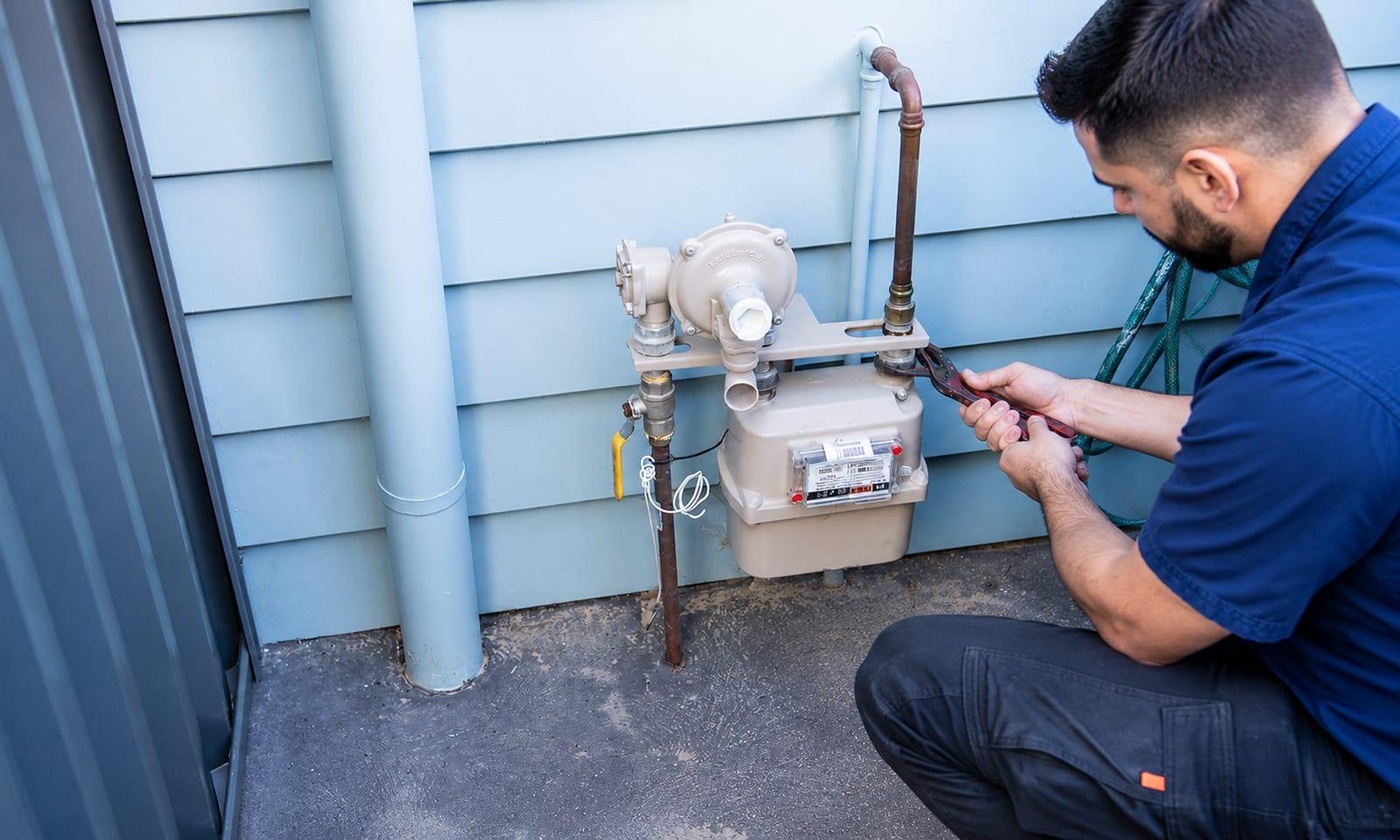
Leave the building right away. Don't use light switches, phones or any flame inside. Once you are outside, call the gas utility or 911.
After the utility has made the home safe, it helps to understand what causes gas fireplace smell so the source gets properly found and fixed. Some smells come from dust burning off the first time a unit runs, and others need a professional to track down. Telling the difference is not something to do on your own while gas may be in the air.
How each type makes heat
Gas inserts
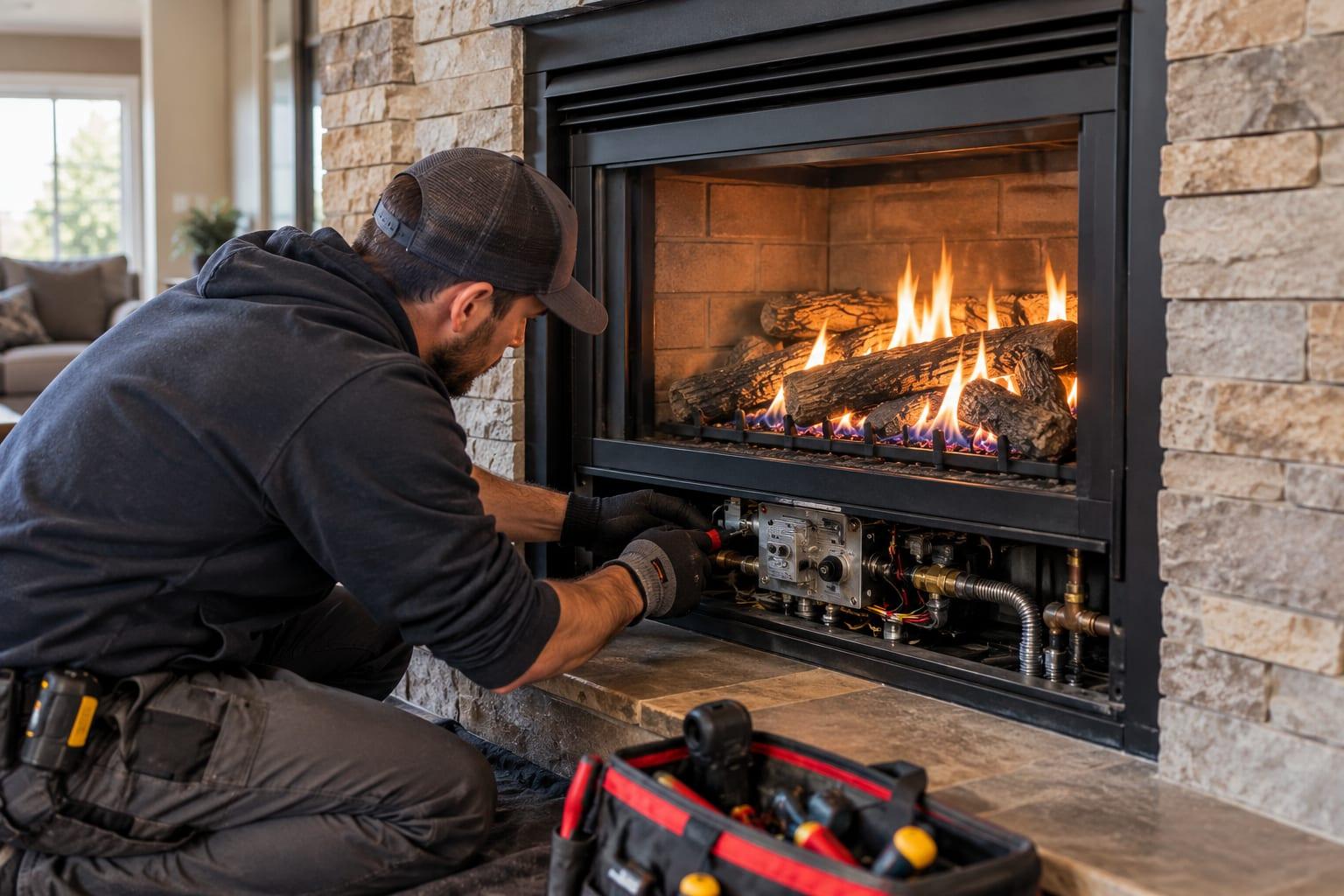
A gas insert is a sealed firebox that slides into your existing fireplace opening. Most draw combustion air from outside and send exhaust back out through liners in the chimney, so very little room air is used. A blower moves heat into the room, and the glass front keeps the flame contained. This setup turns an inefficient open fireplace into a real heat source.
Electric inserts
An electric insert uses a heating element and a fan to blow warm air into the room, and LED lighting to create the flame effect. On many models you can run the flame effect with the heat off. That makes electric a good fit for rooms that don't need much heat, or for homeowners who mainly want the look of a fire.
What installation involves
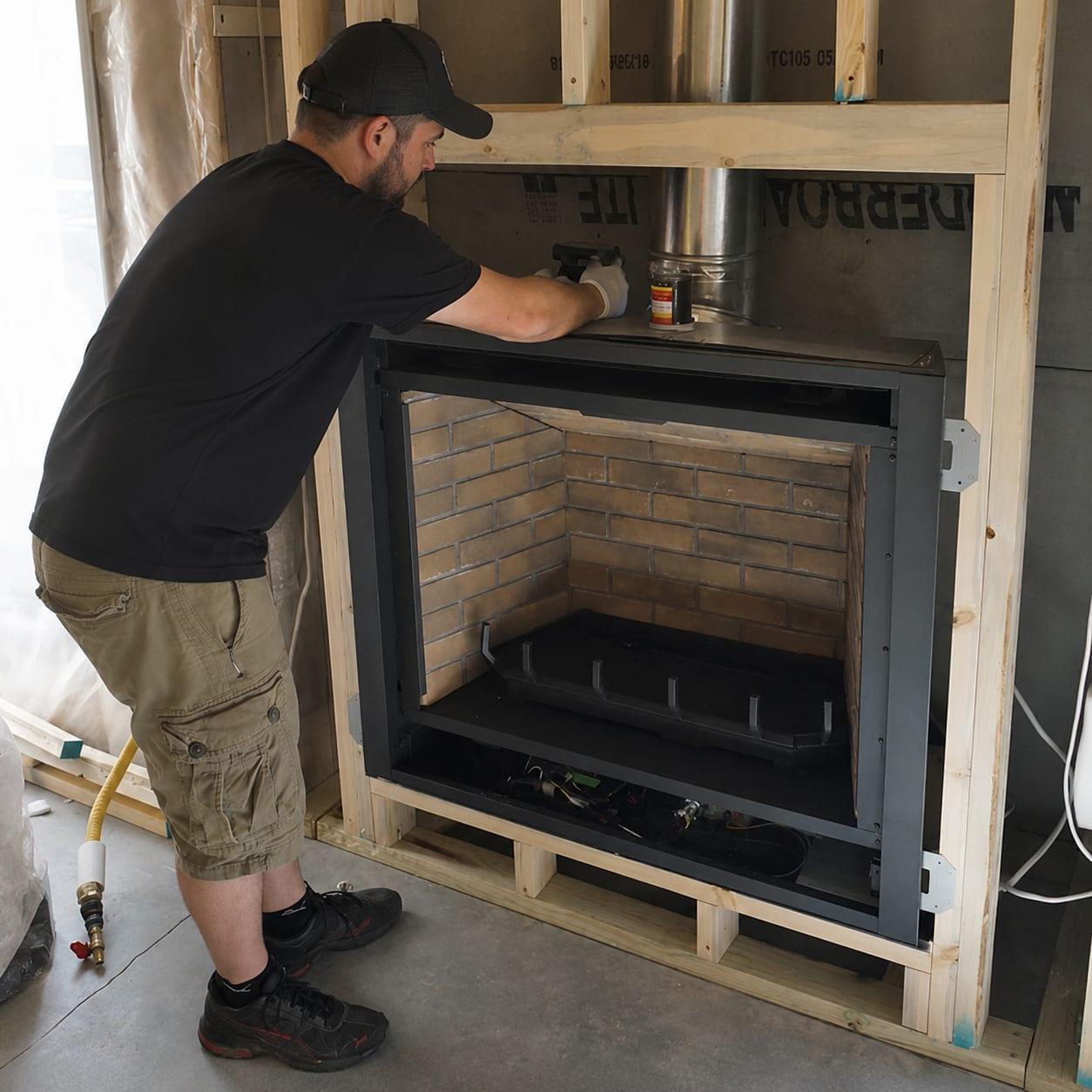
For a gas insert, the chimney is checked first, because the vent liners depend on a sound flue and smoke chamber. Then a gas line is run to the fireplace if one isn't already there, the vent liners go up the chimney, and the insert is set, connected and tested. Read how fireplace insert installation works for the full sequence from survey to first fire.
An electric insert is simpler. It needs a suitable outlet or a hardwired circuit near the opening, and the old flue is closed off so drafts and moisture don't come down into the room. Our electric fireplace installation service covers fitting the unit to the opening and finishing the surround.
Upkeep over the years
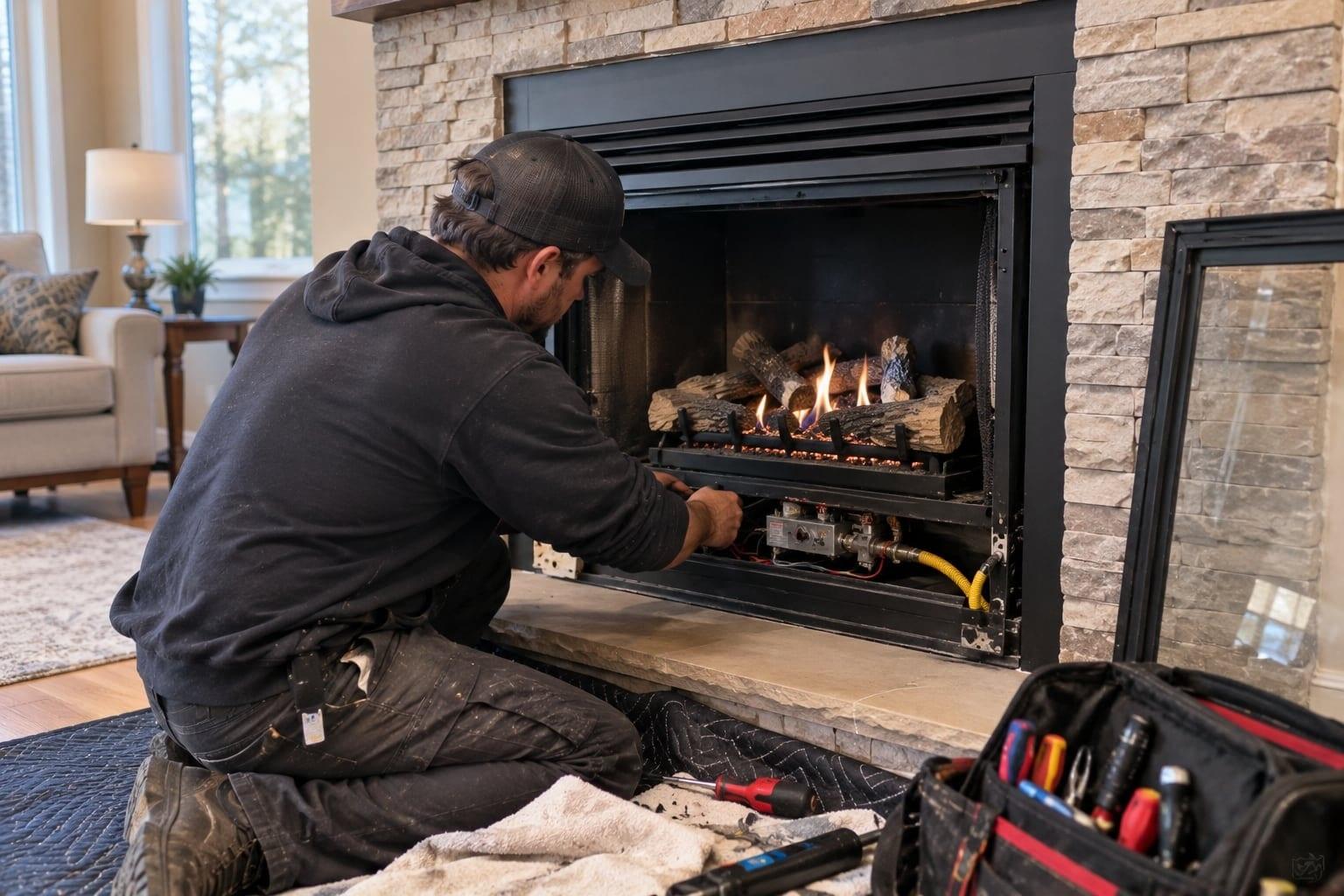
Gas inserts need a yearly look at the burner, pilot, glass, logs and venting. Soot on the glass, a lazy yellow flame or a pilot that keeps going out are all signs it's time. Our guide on when a gas fireplace needs cleaning walks through the warning signs, and the fireplace insert cleaning visit covers the sealed box and its vent. If the unit stops starting, the usual causes of a gas fireplace that won't light are worth knowing before the next cold night.
Electric inserts need much less. Dust the fan intake and grille, keep the area in front clear, and have a technician look at the unit if the heater cuts out or the flame effect fails.
What helps you decide
Questions to answer before choosing
- Do you need the fireplace to heat the room, or mostly to look good?
- Is there gas at the house, and can a line reasonably reach the fireplace?
- Is the chimney in good enough shape to carry vent liners?
- Do you want the fireplace to work during a power outage?
- How much yearly upkeep are you willing to schedule?
- Does anyone in the home prefer to avoid combustion appliances entirely?
If you're still weighing whether to keep burning wood at all, our comparison of gas vs wood burning fireplace covers that decision. We install, clean and repair both gas and electric inserts, and estimates are free.