On this page
If you smell gas
Leave the building right away. Don't flip light switches, use phones or light any flame inside. Once you're outside, call the gas utility or 911.
Carbon monoxide
A blocked or damaged flue can push carbon monoxide into the home. If an alarm sounds or anyone feels dizzy or sick near the fireplace, get everyone outside and call 911.
Getting ready for the visit
- Write down what you've noticed and when it happens — smells, smoke, sounds or stains.
- Note the make and model of any insert, stove or gas unit if you have it.
- Clear a few feet of space in front of the hearth or appliance.
- Keep pets in another room while the work area is open.
What the technician checks
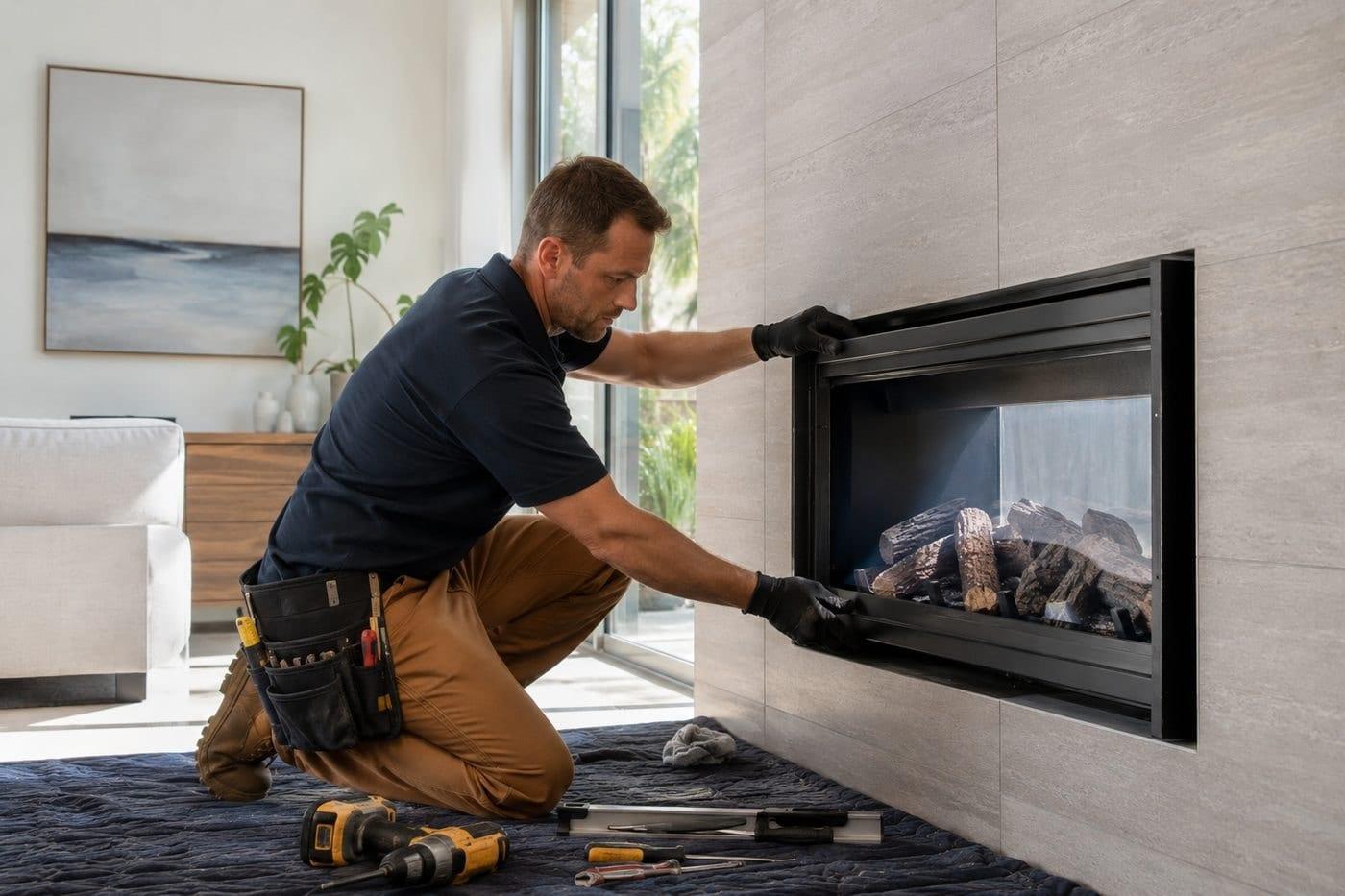
- Permit requirements
- Hearth extension and protection
- Opening or framing dimensions
- Vent or liner route and length
- Gas supply or electrical needs
Signs to watch for
- A worn-out insert or stove
- A damaged factory-built unit past repair
- A remodel that adds or moves a fireplace
- A switch from wood to gas or electric
- An open fireplace that sends most of its heat up the chimney
What gas line installation involves
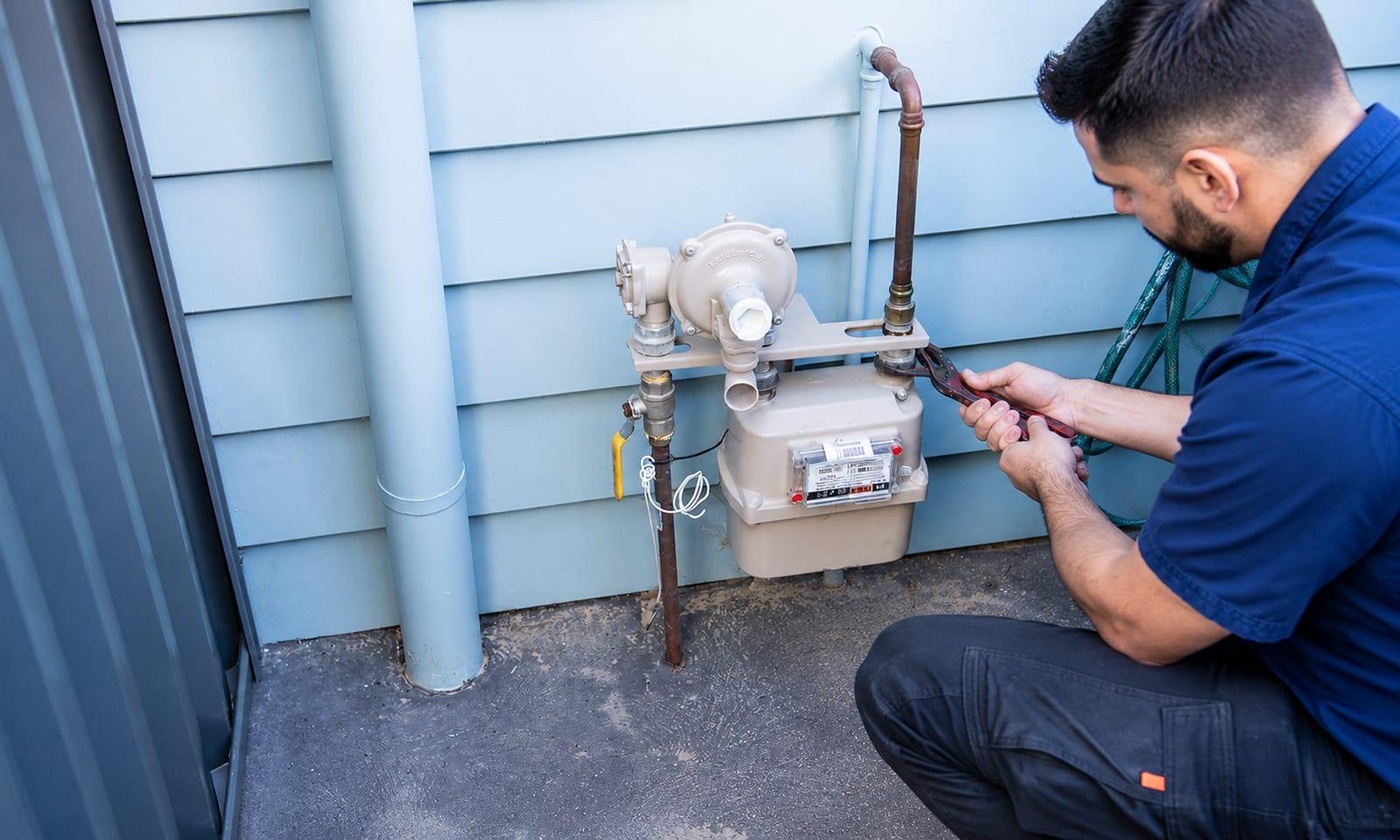
For a fireplace, the work means running a branch from the home's existing gas piping to the appliance location and ending it at an accessible shutoff valve. The line is sized for the appliance's demand and the length of the run. A line that's too small starves the burner, especially when other gas appliances are running at the same time.
Two materials are common. Black steel pipe is rigid and threaded at each joint. Corrugated stainless steel tubing (CSST) is flexible, runs in long lengths and needs bonding as its manufacturer specifies. The choice depends on the route through the house and what connects at each end.
When a new gas line is needed
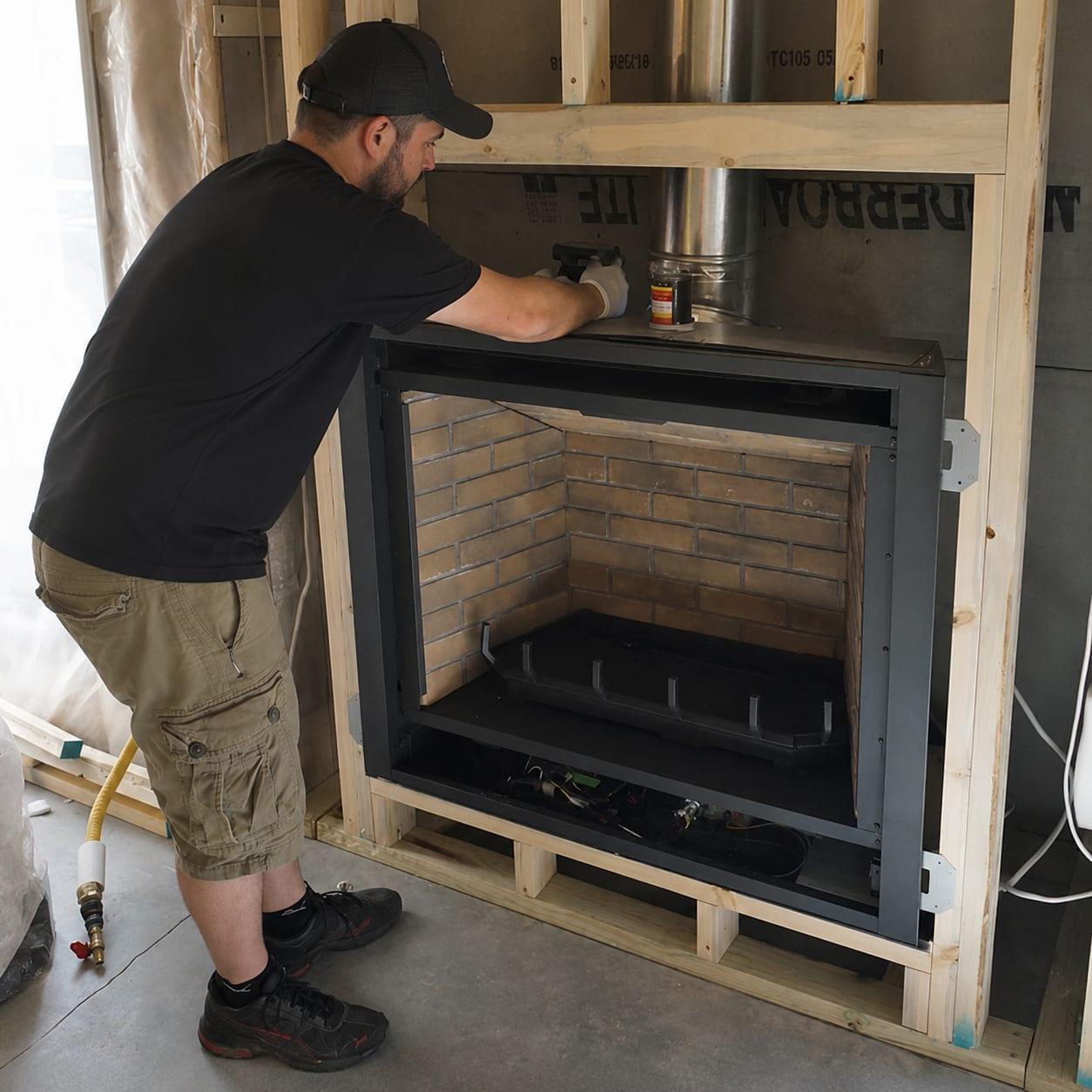
- Adding a gas fireplace where there was none
- Converting a wood-burning fireplace to gas logs or a gas insert
- Moving a gas fireplace to a new spot in the room
- Replacing an old line or connector that's undersized, damaged or of uncertain condition
- Bringing a line that was capped off years ago back into service
The line is usually one part of a larger project. It goes in alongside gas log installation when a wood fireplace is converted, or installing a new gas fireplace when the whole unit is new.
What the visit involves
Step by step
Review the appliance and supply
The technician reads the fireplace or log set's gas requirements and looks at the existing piping and where it can branch.
Plan the route
The run is laid out from the supply to the fireplace, choosing the pipe material and size.
Install the line
The pipe or tubing is run and secured, with a shutoff valve at the appliance.
Pressure and leak test
The new line is tested before any appliance is connected, and again at the connections once it is.
Connect and check
The appliance is connected and lit, and the flame and operation are checked. You're shown where the shutoff valve is.
Safety and maintenance
Gas piping isn't a do-it-yourself project. A joint that looks tight can still leak. Once the line is in, a few habits keep it and the appliance safe:
After the line is in
- Know where the fireplace shutoff valve and the main gas shutoff are, and keep both reachable
- Don't hang items from the line or box it in where the valve can't be reached
- Keep a working carbon monoxide alarm near the room with the fireplace
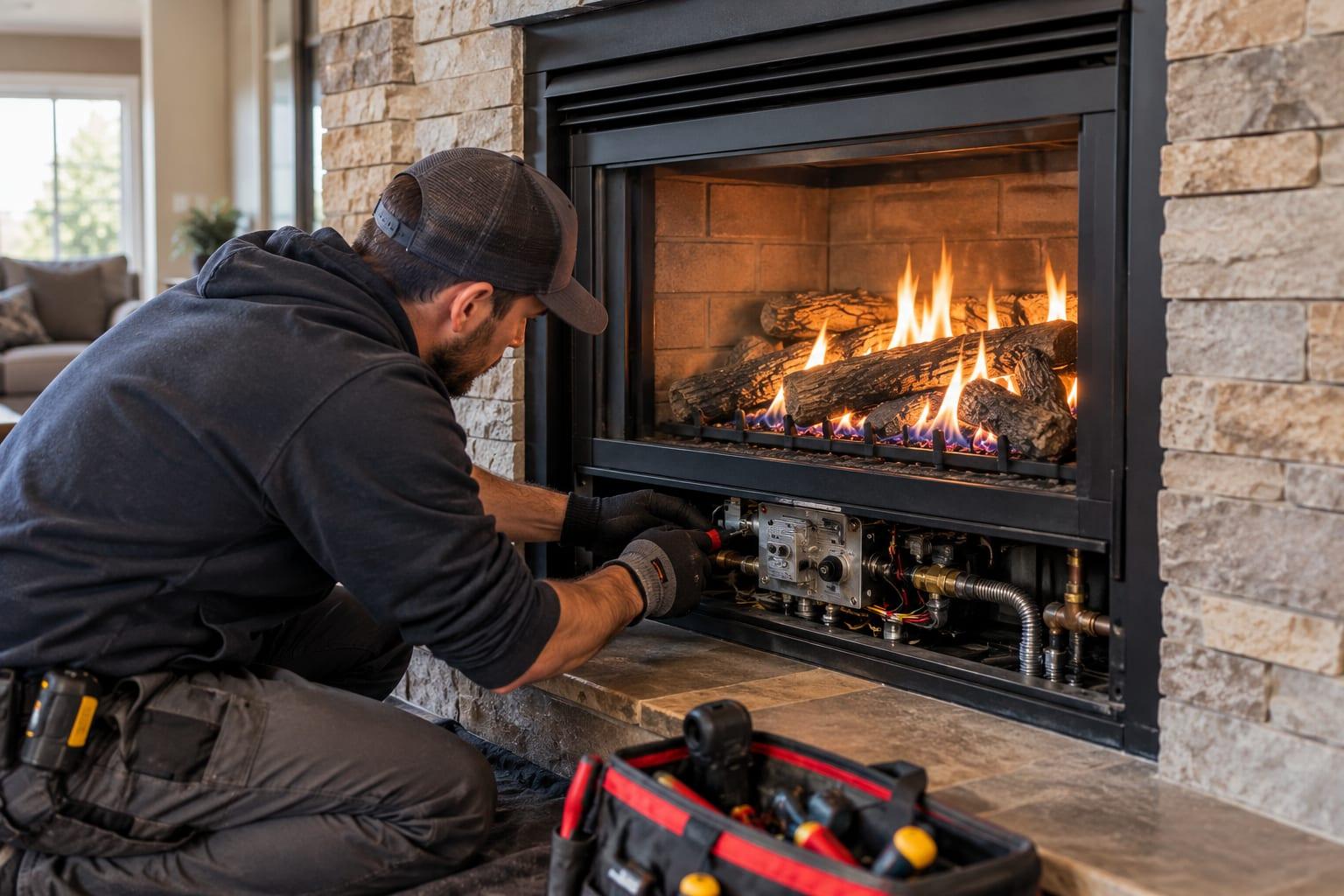
- Have the gas fireplace serviced periodically so the burner, valve and connections get checked
Booking gas line installation
Call or request an estimate. Mention the appliance you're adding and where it will go. Commercial and property-manager work is offered for buildings and rental homes adding gas fireplaces.