On this page
What a rental property chimney inspection covers
A rental property chimney inspection looks at the same parts of the system as any chimney inspection, but the timing and purpose fit how rentals work. Owners usually aren't in the home day to day, tenants may not know what a healthy fireplace looks like, and one tenant's habits can leave problems for the next. The goal is to find out, at a set point in time, whether the fireplace or stove is safe to use and what needs attention.
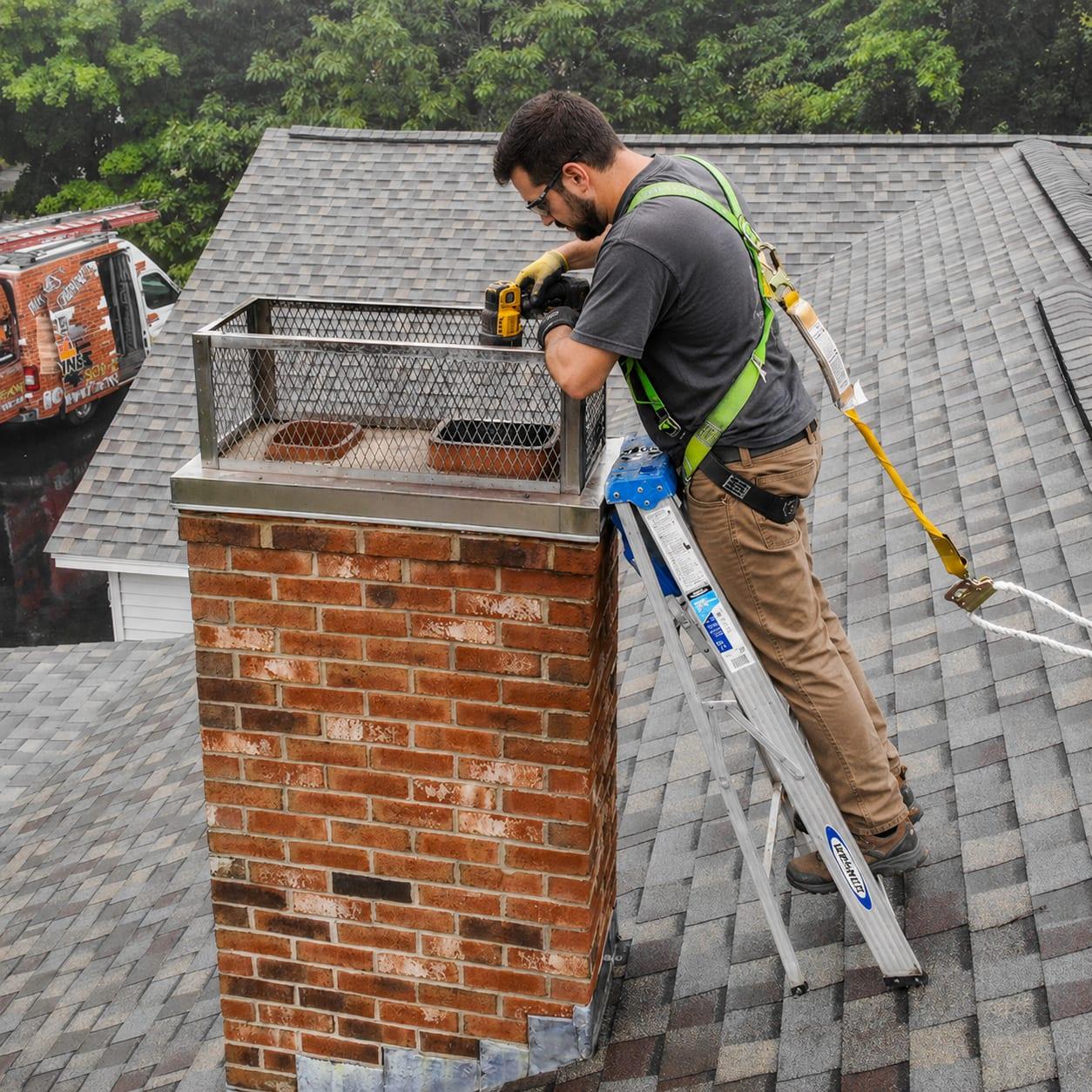
We look for damage, blockages and conditions that affect safe venting: creosote buildup, debris or nests in the flue, cracked or missing liner sections, a damper that won't open or seal, worn masonry, and failing caps, crowns or flashing. If the home has a gas fireplace or gas insert, that's part of the check too.
When a rental chimney needs inspecting
Some owners schedule an inspection on a regular cycle. Others call because something changed. These are the situations that most often lead to a booking:
Common reasons owners and managers book
- A tenant is moving out and the next one is moving in
- You've just bought a home you plan to rent out
- A tenant reports smoke coming into the room, a burning smell or a poor draft
- There's a stain, damp patch or musty odor near the fireplace or on the ceiling around the chimney
- You hear scratching or see debris falling into the firebox
- A storm has hit the area and you can't check the roof yourself
- The fireplace hasn't been used in years and a tenant wants to start using it
- Nobody can tell you when the chimney was last cleaned or inspected
If the concern started after high winds, a fallen branch or hail, the storm damage chimney inspection service focuses on that kind of event. If the home is being sold rather than rented, how real estate chimney inspection works is the better fit.
What the visit involves, step by step
How an inspection at a rental unit runs
Booking and access
When you get in touch, tell us who will be at the property, how to get in, and anything the tenant has reported. That way the visit goes smoothly whether you, a manager or the tenant meets us.
Questions about use
We ask how the fireplace or stove has been used, what fuel it burns, and whether anyone has noticed smoke, odors or leaks. Tenants often know details owners don't.
Interior check
We examine the firebox, damper, smoke chamber and visible flue, along with any doors, glass, insert or gas components.
Flue review
We look up the flue for creosote, blockages and liner damage. A chimney camera inspection of the hidden sections is used when the visible areas don't tell the whole story.
Exterior check
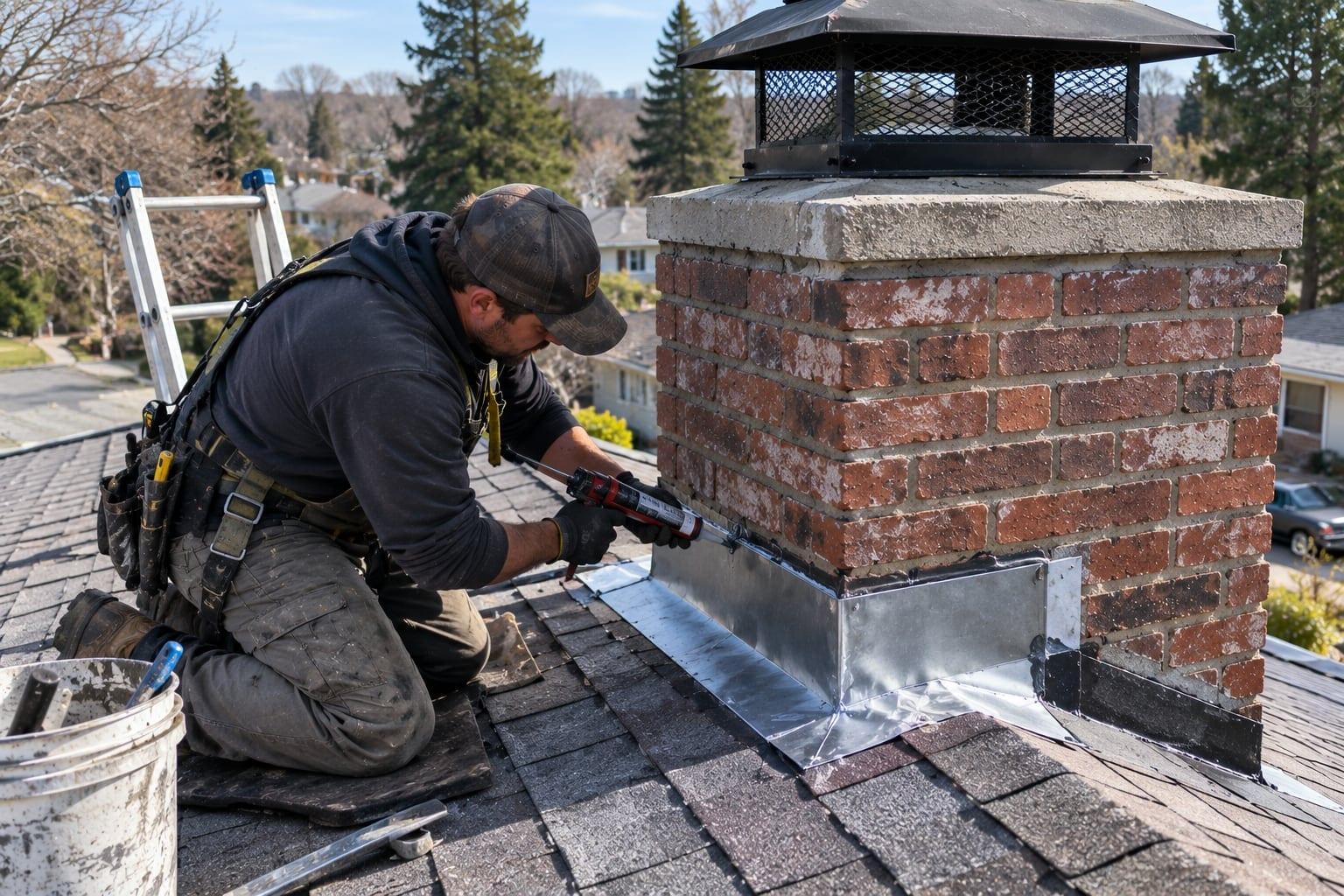
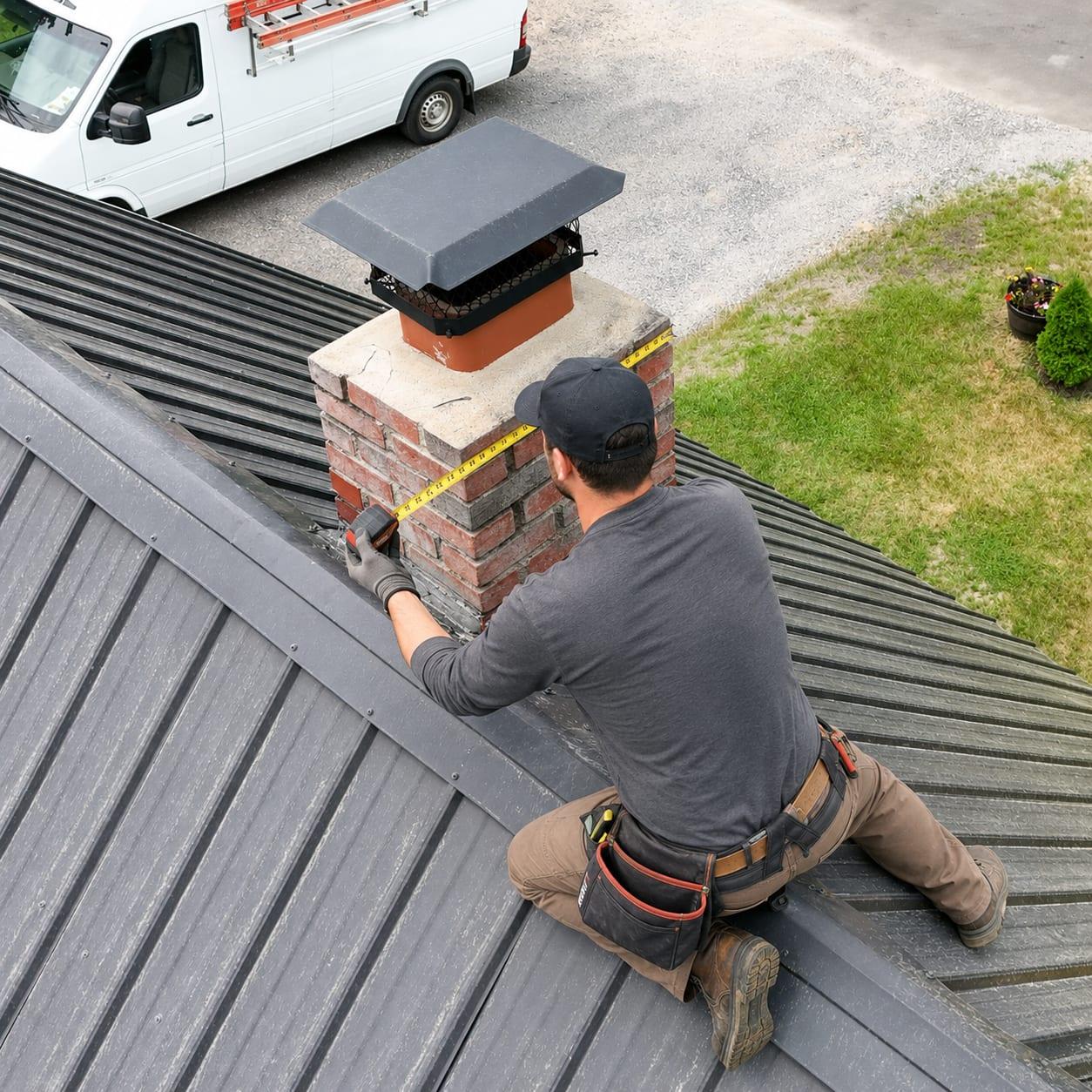
Where it can be reached safely, we look at the cap, crown, masonry or chase, and flashing for wear, gaps and signs of water getting in.
Findings and next steps
We go over what we found, what's safe to keep using, and what should be fixed before a tenant uses the fireplace. If repairs or cleaning are needed, you get a free estimate.
Chimney types and fuels we check
Rental homes come with every kind of setup, and each one wears differently. Brick and block chimneys tend to show trouble in the mortar, crown and flashing. Factory-built (prefab) fireplaces depend on their metal flue, chase and chase cover. If you're not sure what your property has, our guide to different types of chimneys explains the main kinds.
- Wood-burning fireplaces and wood stoves
- Fireplace inserts
- Gas fireplaces, gas logs and other gas appliances
- Pellet stoves
- Masonry and prefab chimneys
We work on all major fireplace and stove brands, so one inspection can usually cover whatever is installed in the unit.
Safety and maintenance between tenants
In a rental, the person using the fireplace usually isn't the person responsible for maintaining it. That gap is why problems such as heavy creosote, a stuck damper or a slow leak can go unnoticed for a long time. A few habits help close it:
- Ask tenants to report smoke, odors, drips and animal noises right away rather than waiting until move-out.
- Schedule an inspection at turnover so each tenant starts with a known condition.
- Make sure working smoke and carbon monoxide alarms are in place, especially in homes with wood, gas or pellet appliances.
- Learn to spot water damaged chimney signs, such as stained ceilings, flaking masonry and rust on the damper, during your own walk-throughs.
- Don't count on a tenant's own sweeping to keep the flue clear. DIY vs chimney cleaning explains what a DIY job can and can't reach.
If a tenant reports smoke inside
Tell them to stop using the fireplace or stove, let it burn out, and open windows. If anyone feels unwell or a carbon monoxide alarm sounds, they should leave the home and call 911 before anything else.
Booking an inspection for your rental
Same-day visits are available where the schedule allows, and emergency calls are accepted, with 24-hour service seven days a week. If you manage several homes or units, commercial and property management chimney services cover larger and ongoing work. Call or request an estimate, and let us know the property, who will provide access, and what you or your tenant have noticed.