What a storm damage chimney inspection covers
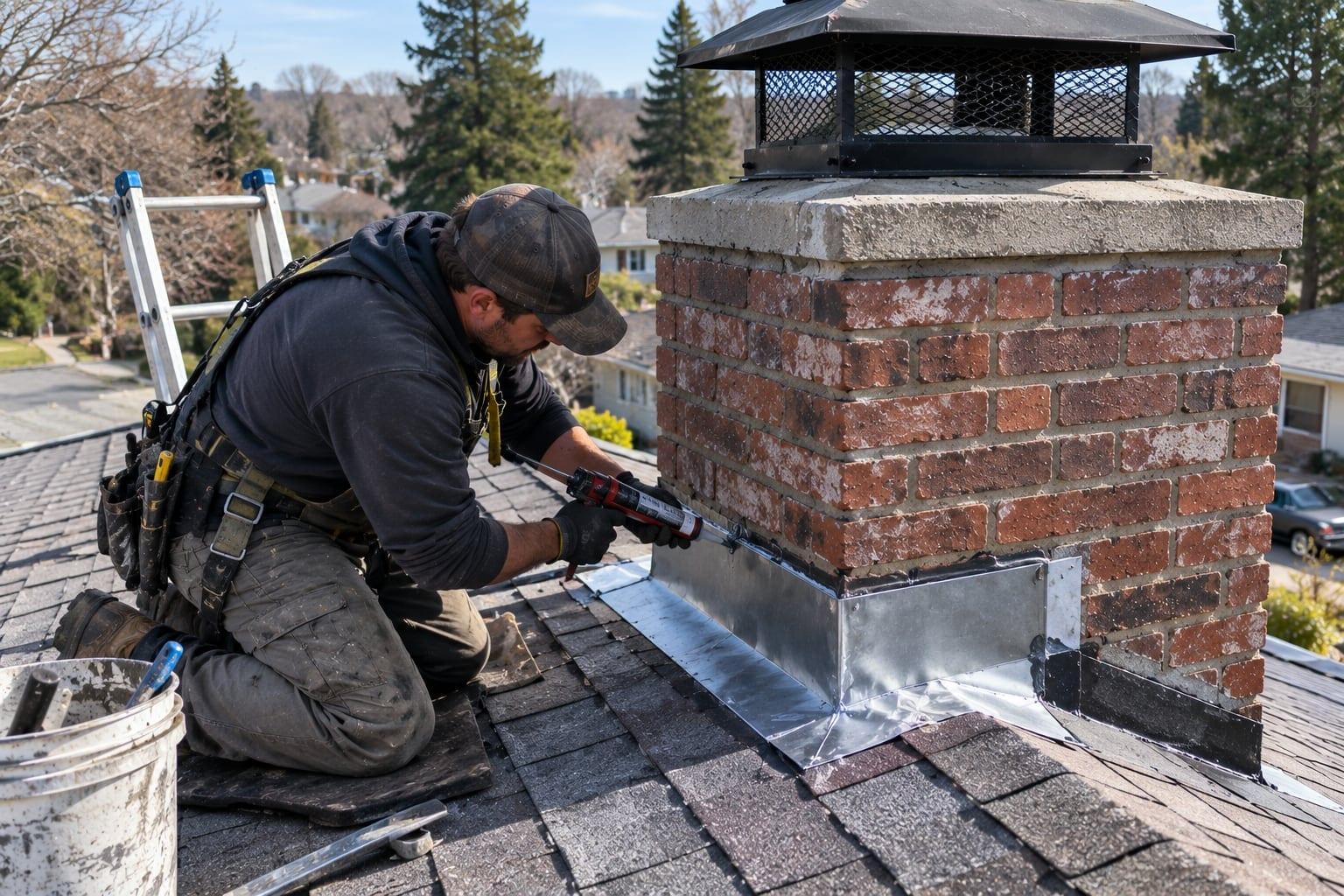
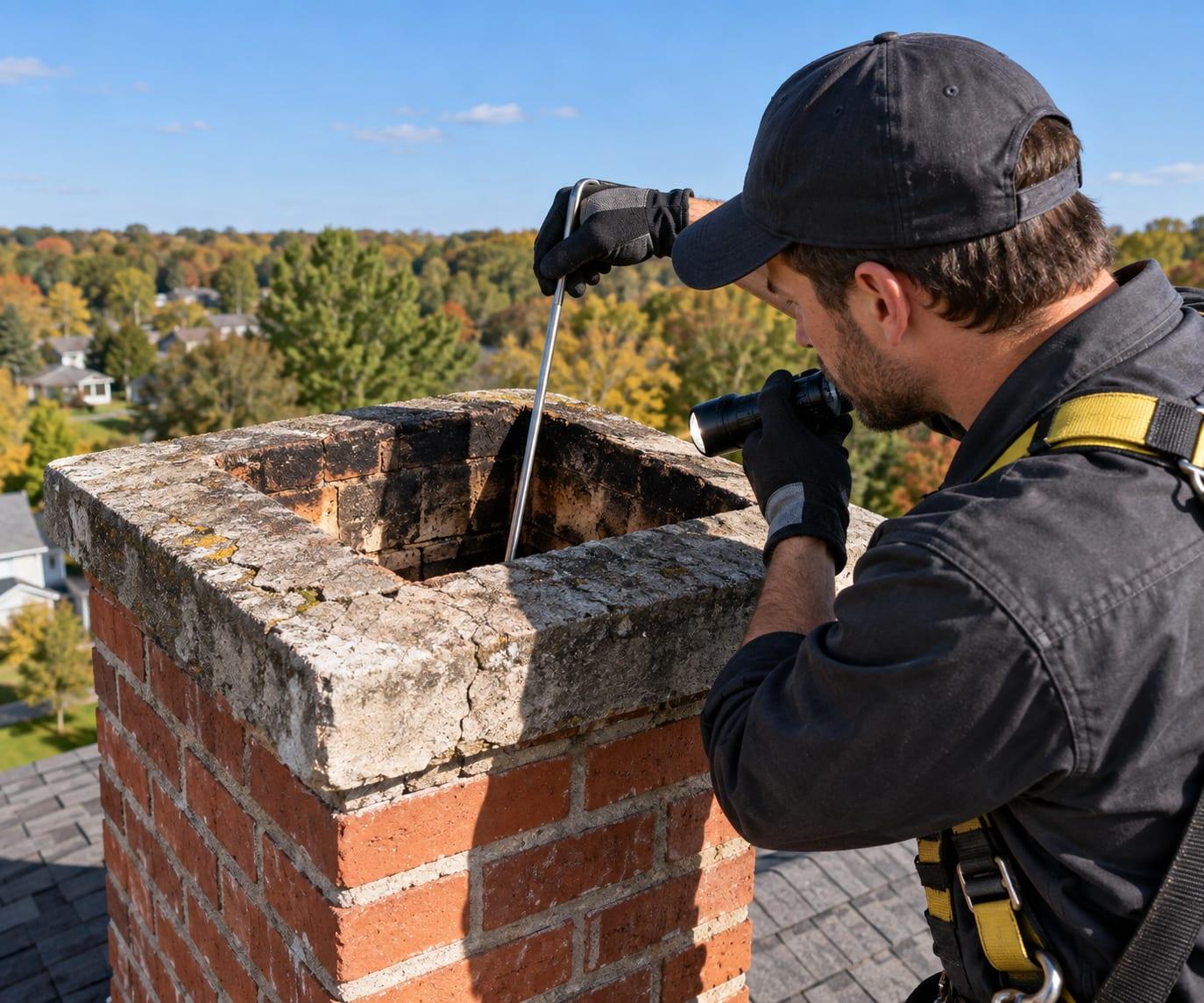
The inspection starts with the parts of the chimney that take the weather first. That means the cap and any spark arrester, the crown on top, the brick or siding of the chimney, and the flashing where the chimney meets the roof. Inside, we check the flue for debris, nests or other blockages a storm can leave behind. The goal is a plain answer: safe to use, or not yet, and why. The full scope is on the page explaining how storm damage chimney inspection works.
Two local facts that shape a storm check in Hayward
Fire department guidance on spark arresters
Hayward Fire Department material published on hayward-ca.gov says: install a spark arrestor on chimney and/or stovepipe outlets, and the spark arrester must be constructed of heavy wire mesh with openings not to exceed ½ inch. Whether that guidance applies to your property is a question for the Hayward Fire Department.
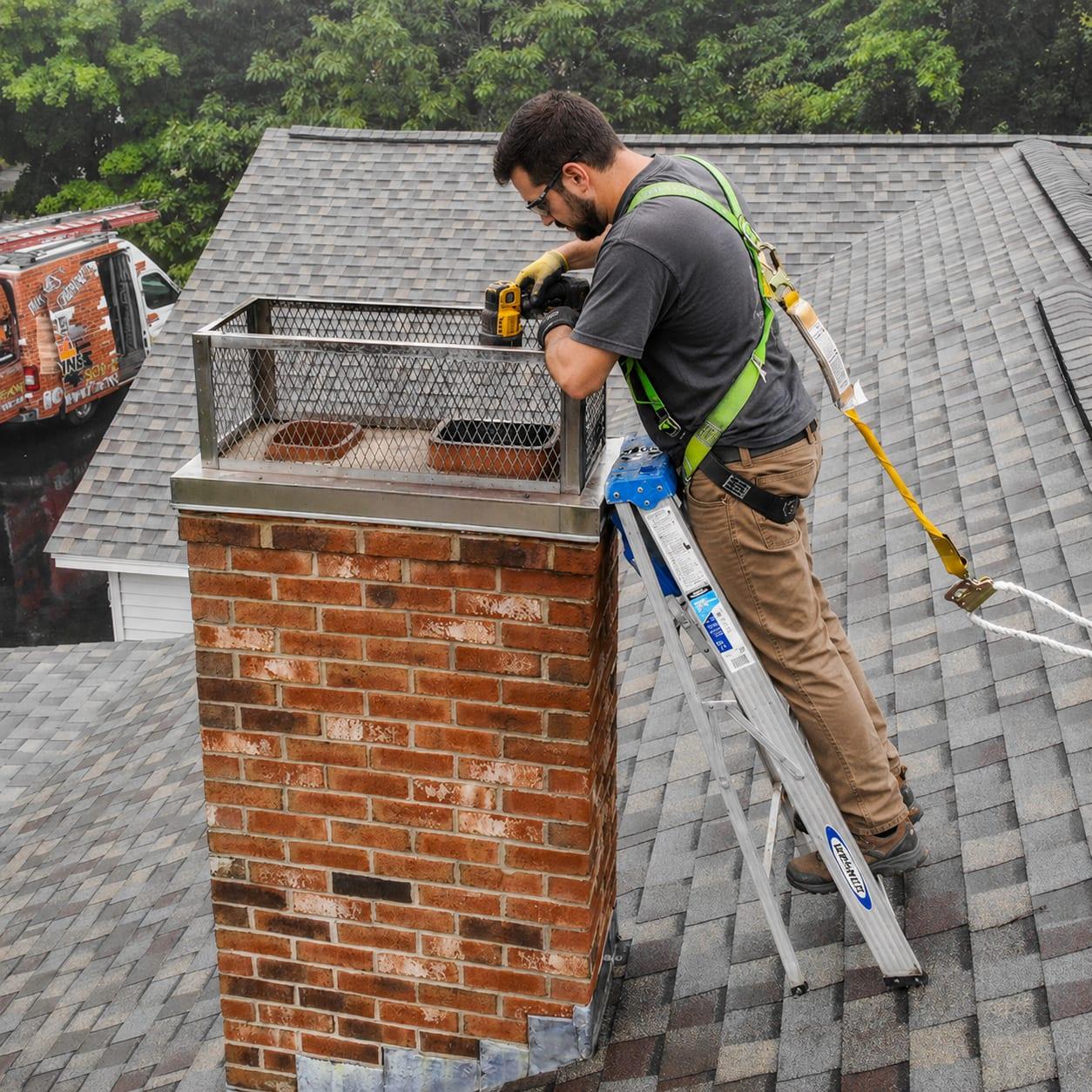
This affects what gets checked after a storm. Wind and falling limbs can bend an arrester, pull it loose or tear the mesh. A torn or stretched screen can leave gaps wider than ½ inch, and a screen packed with leaves can choke the draft. On a storm check we look at whether the arrester is still attached, whether the mesh is intact and whether it is clear. If it is damaged or missing, we can replace the cap or fit a new arrester.
Many homes in the city are older
About 35% of the housing units in Hayward were built before 1960, according to the U.S. Census Bureau (American Community Survey 2019–2023 5-year estimates, table B25034, Year Structure Built). If your home is one of them, its chimney has been through decades of weather before this storm. Part of the inspection is telling new storm damage apart from older wear, such as loose mortar joints or a crown that was already cracking. That difference shapes the repair plan. Some problems need fixing now, and others are worth watching.
What gets checked also depends on how the chimney is built. A brick chimney is inspected differently from a prefab chimney inside a framed chase. If you're not sure which one you have, our guide to the different types of chimneys explains how to tell them apart.
When this inspection fits, and when another job fits better
Book a storm check if, since the last storm:
- A branch or tree limb hit the roof near the chimney
- The chimney cap or spark arrester looks bent, shifted or missing
- You see new water stains on the ceiling or wall near the fireplace
- Bits of brick, mortar or debris have landed in the firebox or on the roof
- Smoke backs up into the room or the fireplace draws poorly
- A new smell comes from the fireplace after rain
If no storm was involved and you just want a routine look before the burning season, a standard annual chimney inspection is usually the better fit. If the damage is already obvious, such as a fallen section of brick, you can ask for a repair estimate directly. If the only problem is a missing or rusted arrester, a simple replacement may be all you need.
Hold off on fires until it's checked
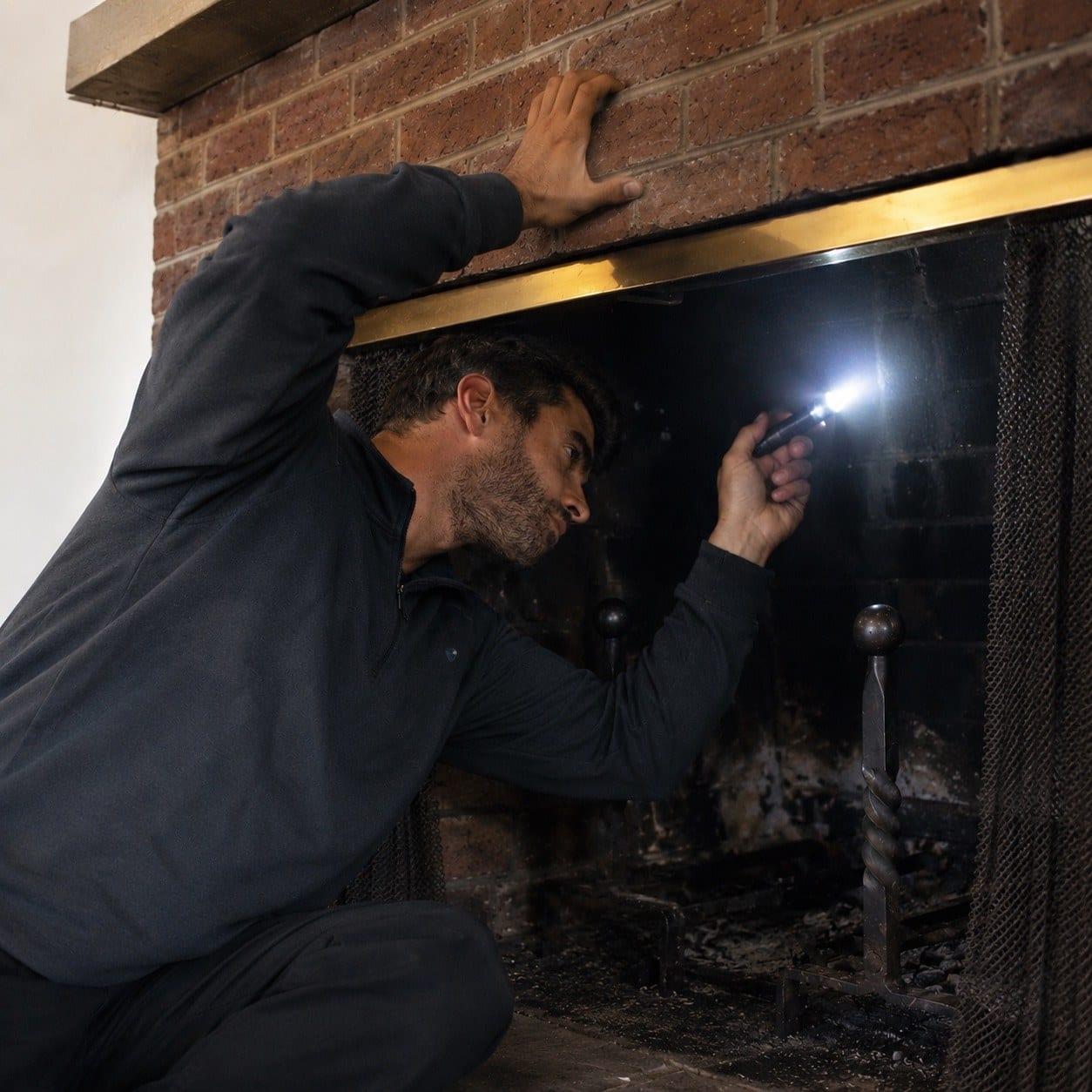
If you suspect storm damage, don't light the fireplace or wood stove until the flue has been checked for blockages and the top of the chimney for damage. A blocked flue can push smoke and fumes back into the house.
Booking a storm damage chimney inspection
For details on the inspection itself, read about our storm damage chimney inspection service. To see the other chimney and fireplace work we do locally, visit our Hayward service area page.
Sources (2)
The sources of the Hayward facts on this page.
- 1U.S. Census Bureau, American Community Survey 2019–2023 5-year estimates, table B25034 (Year Structure Built)
- 2hayward-ca.gov