Fireplace vent cleaning in brief
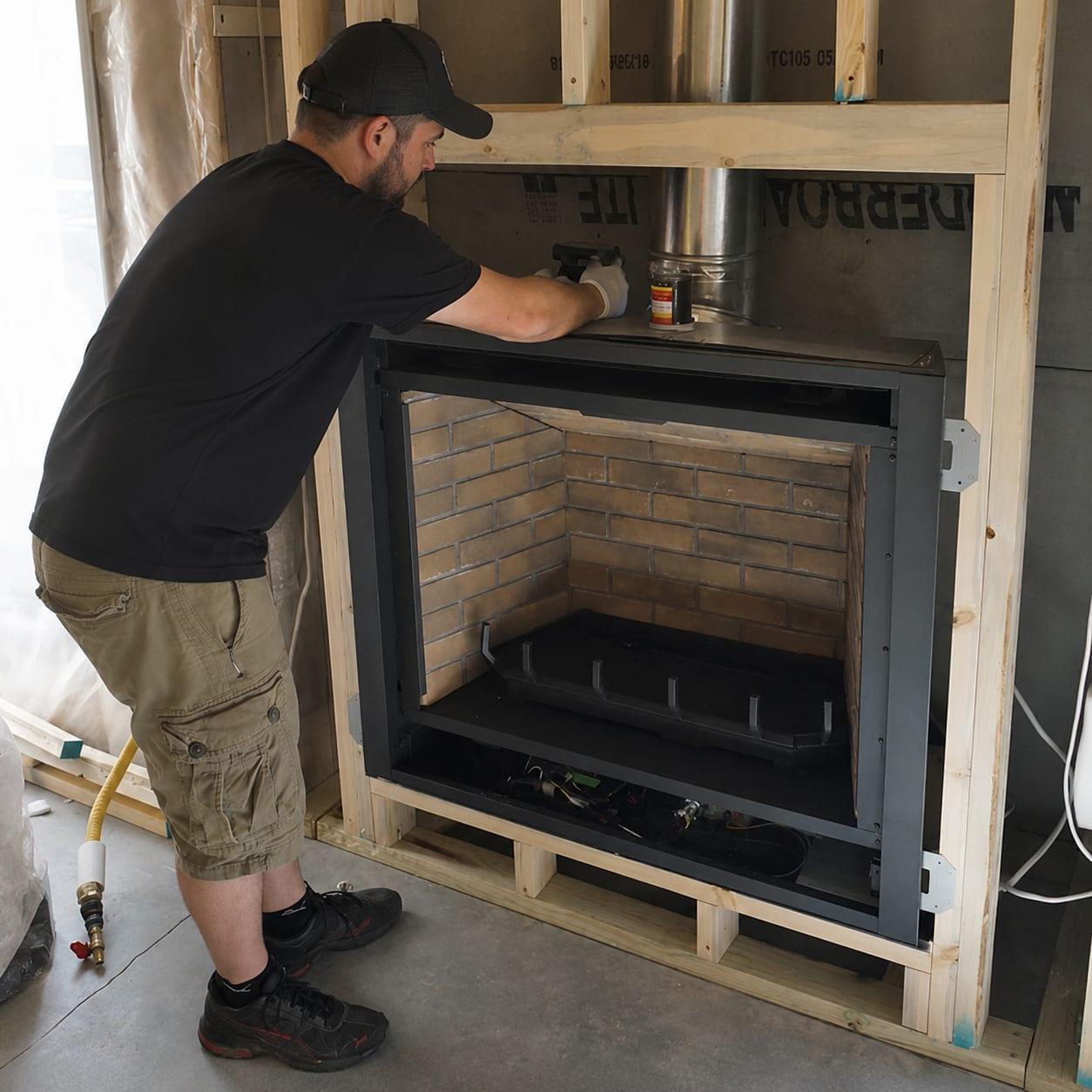
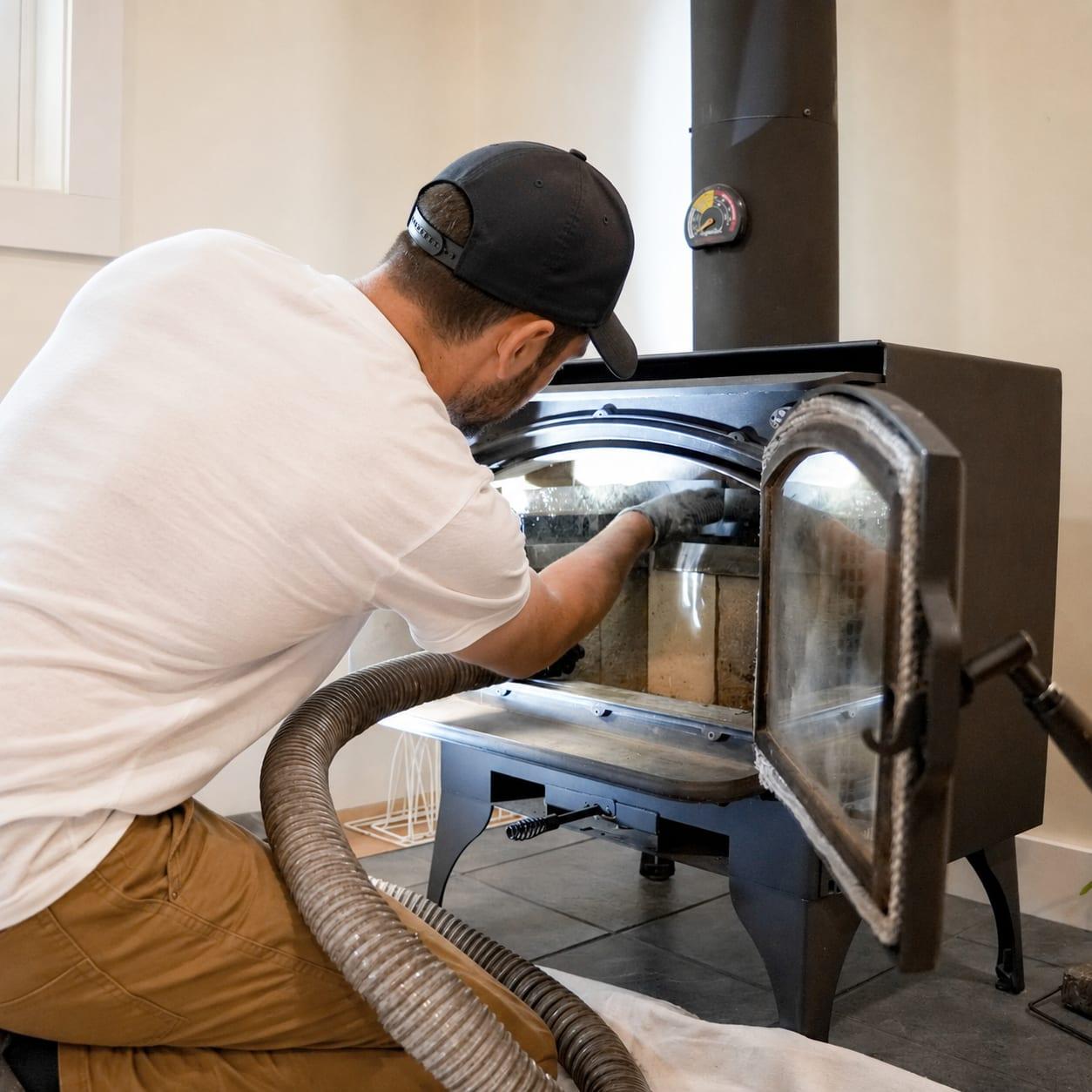
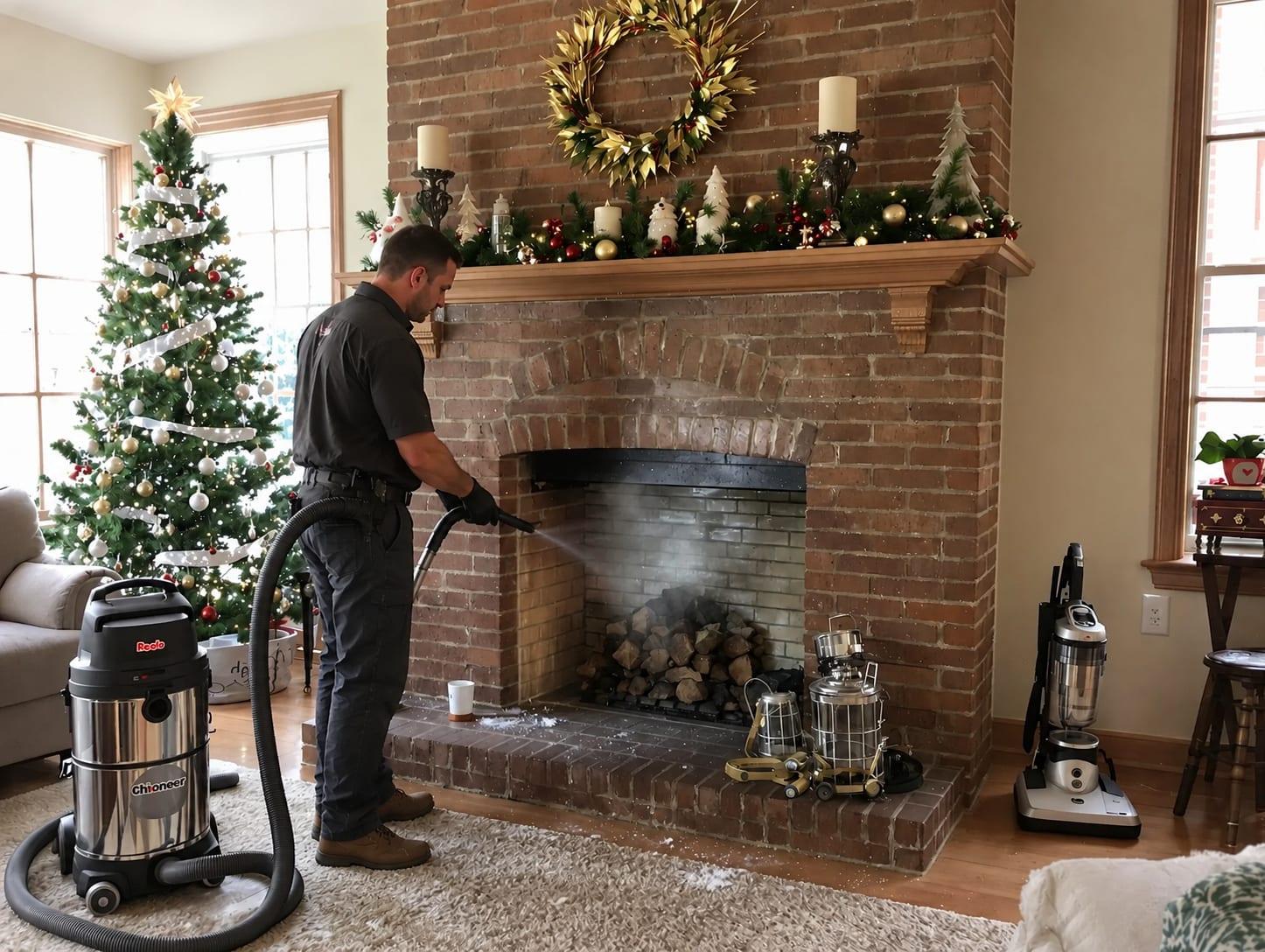
The job removes soot, creosote and loose debris from the vent that carries smoke and combustion gases out of your home. That includes the flue or vent pipe, the area around the damper, and the cap or screen at the outlet. We confirm the path is open from bottom to top and tell you what we saw along the way. Wood-burning and gas units are both covered. For the tools, the steps and what to expect on the day, read how fireplace vent cleaning works.
Fire department guidance at the top of the vent
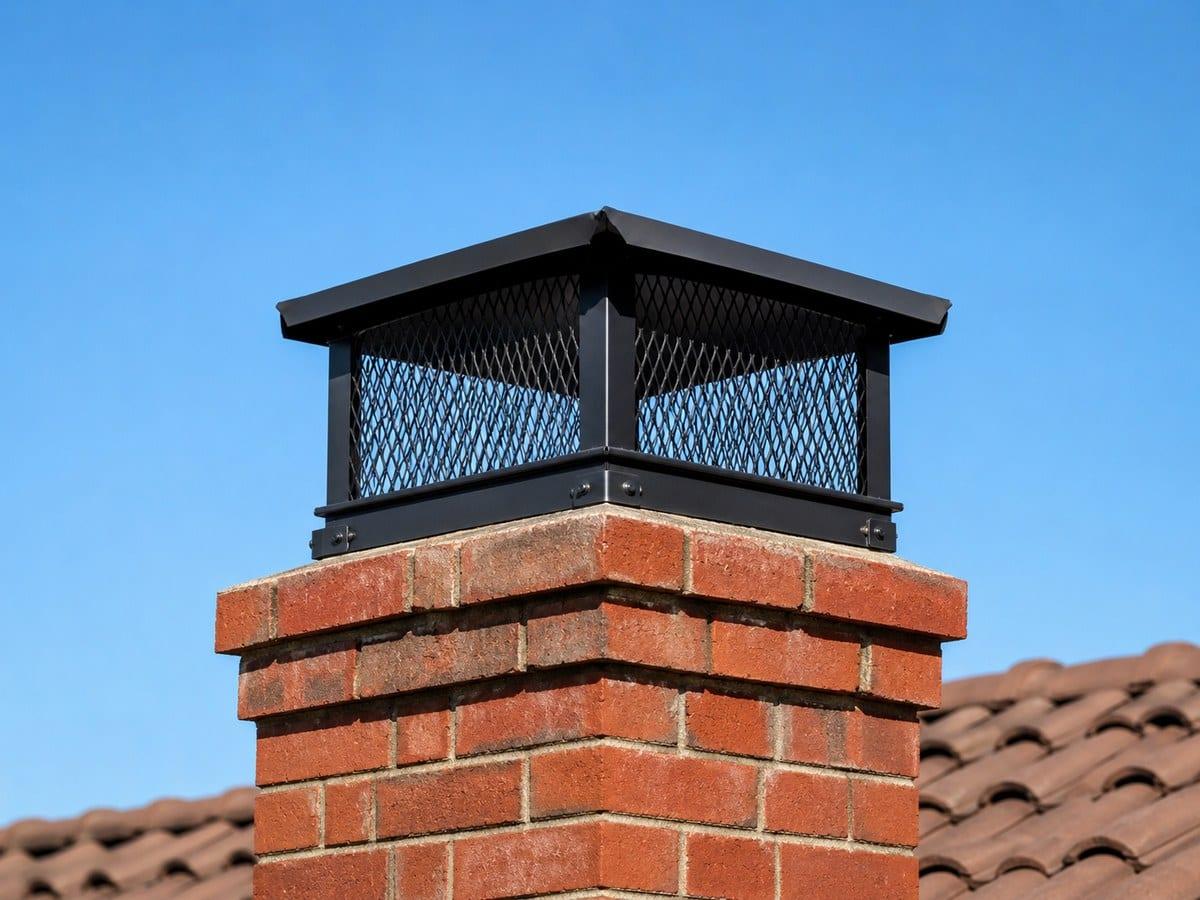
The Hayward Fire Department's guidance, published on the City of Hayward's website, says: install a spark arrestor on chimney and/or stovepipe outlets. It adds that the spark arrester must be constructed of heavy wire mesh with openings not to exceed ½ inch.
That screen matters to a vent cleaning. Mesh small enough to stop embers also catches soot and flakes of creosote. A partly clogged screen restricts draft, so smoke moves out more slowly and can roll back into the room when the fire is lit. Cleaning only the flue and skipping the outlet leaves that restriction in place. We clean the arrestor or cap screen as part of the job.
If your outlet has no arrestor, or the mesh is torn, rusted through or loose, we tell you what we found. Installing or replacing a spark arrestor is separate work. If you're unsure how the fire department's guidance applies to your property, the department can tell you.
What we check at the outlet during cleaning
- Soot or creosote packed into the mesh
- Tears, rust holes or gaps in the screen
- Whether the screen or cap is fastened securely
- Debris, leaves or nesting material sitting on or under the cap
- Whether the outlet has an arrestor at all
Older housing and what a cleaning can reveal
About 35% of the housing units in Hayward were built before 1960, according to the U.S. Census Bureau's American Community Survey 2019–2023 5-year estimates (table B25034, Year Structure Built).
In any chimney that has been in use for decades, a cleaning often shows more than buildup. Once the soot is off, cracked flue tiles, missing mortar, liner damage or an earlier owner's alterations are much easier to spot. We report what we see so you can decide whether the vent only needed cleaning or needs a closer look. A camera inspection of the flue is available if the cleaning turns up something that should be examined more closely.
If the cleaning shows crumbling brick or open mortar joints, the next step is usually chimney repair and masonry, not another cleaning.
When cleaning is the right call, and when it isn't
Cleaning fits when the vent is structurally sound but dirty or partly blocked. Common signs:
- Smoke drifts into the room or the fire is hard to keep drawing
- A sooty or smoky smell from the fireplace, especially on warm or damp days
- Black, flaky or glazed buildup visible above the damper
- Debris or nesting material falling into the firebox
- The vent hasn't been cleaned since you moved in
A different job fits better when the problem is the structure rather than the buildup. Cracked masonry needs repair. A missing or damaged outlet screen needs a new arrestor or cap. Gas units build up differently from wood-burning ones; our guide to when a gas fireplace needs cleaning covers the signs for those.
Booking fireplace vent cleaning in Hayward
We also take commercial and property-manager work.
For the complete scope of the job, see our full fireplace vent cleaning service. For chimney, fireplace and dryer vent work beyond cleaning, browse everything we do in Hayward. When you're ready, call or request an estimate.
Sources (2)
The sources of the Hayward facts on this page.
- 1U.S. Census Bureau, American Community Survey 2019–2023 5-year estimates, table B25034 (Year Structure Built)
- 2hayward-ca.gov