Fireplace cleaning in brief
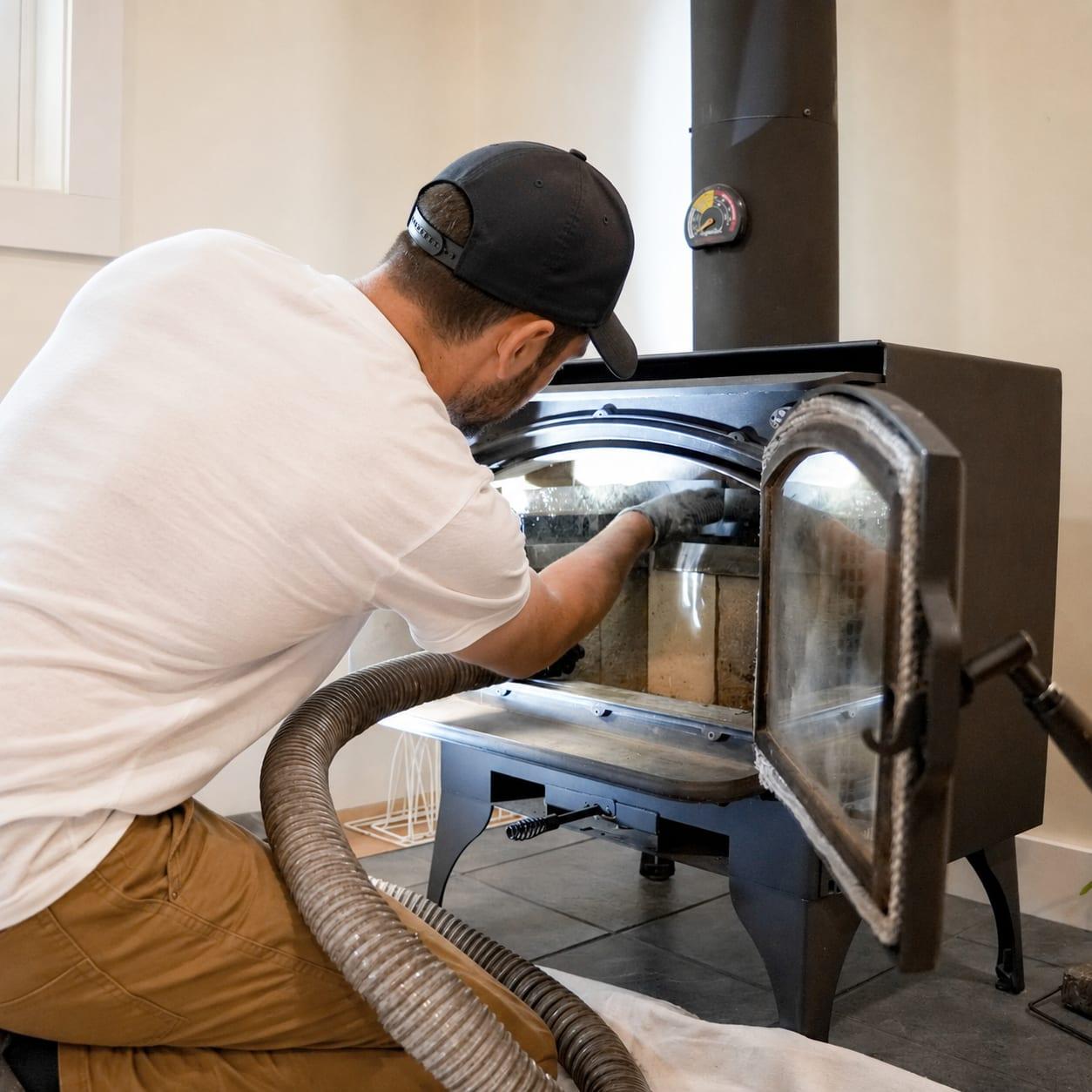
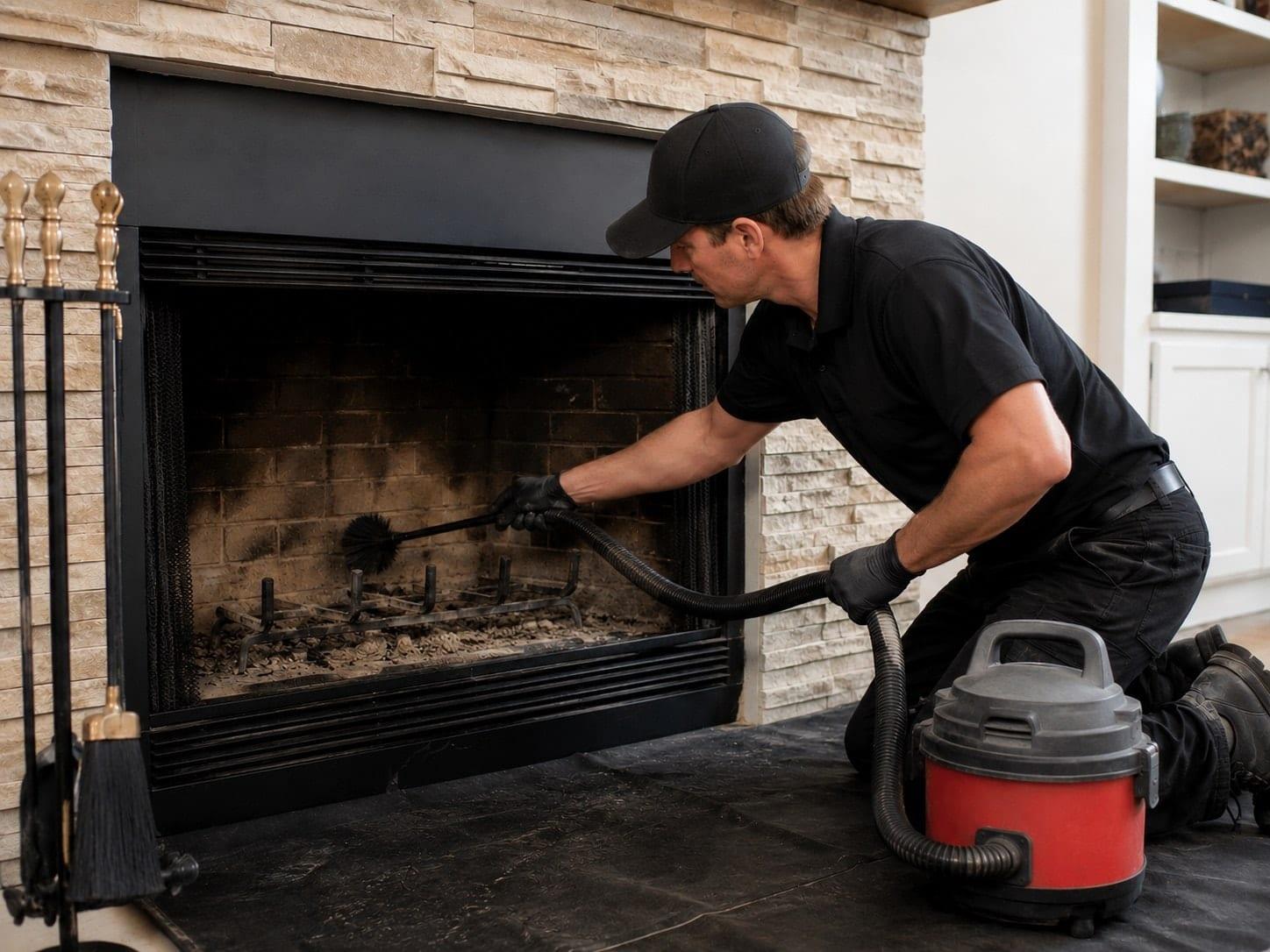
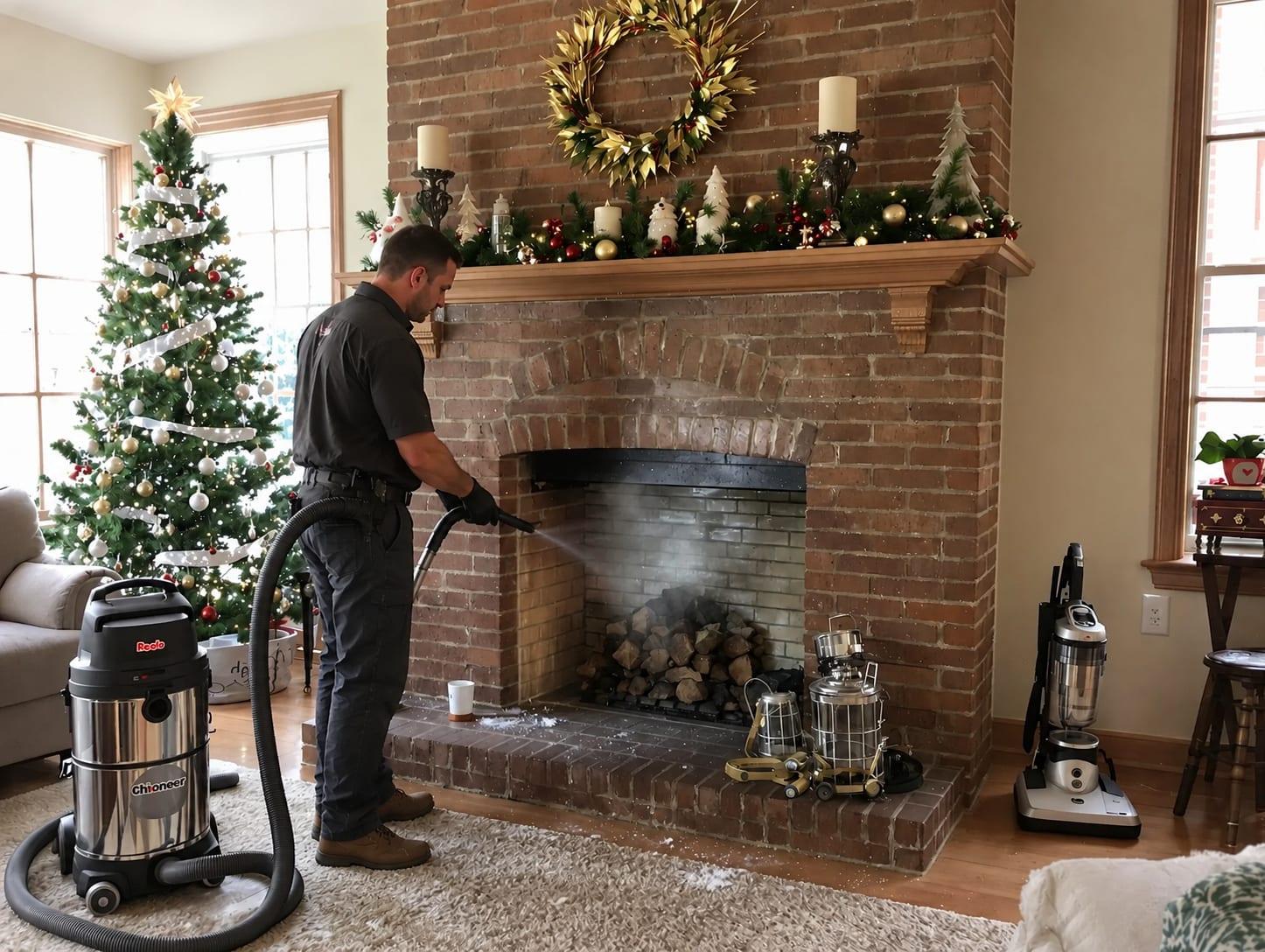
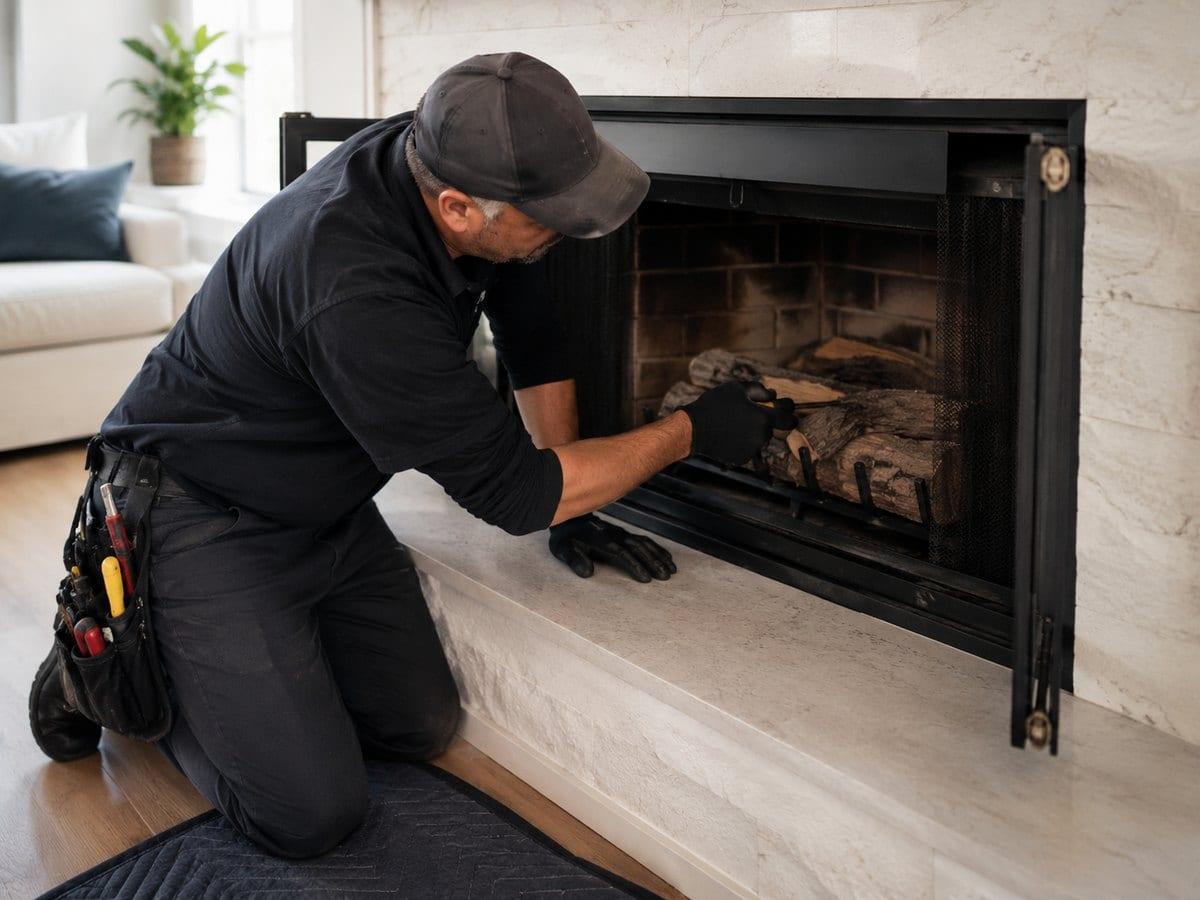
Fireplace cleaning removes what a season of fires leaves behind. That includes ash and debris in the firebox, soot and creosote on the firebox walls, and buildup on the damper and the smoke shelf just above it, plus the grate and any glass doors. Once that buildup is gone, the smoky smell drops, the damper can seal properly, and cracks or loose brick are easier to see. Cleaning the chimney flue is a separate job. For the tools, the steps and what to expect on the day, read how fireplace cleaning works.
What Hayward's housing and fire guidance mean for a fireplace cleaning
Homes built before 1960
About 35% of the housing units in Hayward were built before 1960 (source: U.S. Census Bureau, American Community Survey 2019–2023 5-year estimates, table B25034, Year Structure Built). If your home is one of them, the fireplace has likely had decades of use, and some of that wear only shows once the soot is off.
In an older fireplace, a cleaning tells you two things. First, it tells you whether the firebox, damper and smoke shelf are clear enough to use. Second, it shows the condition of the surfaces under the buildup. If we find crumbling mortar joints, cracked firebrick or a damper that no longer closes, we tell you during the visit. Cleaning the fireplace more often won't fix those problems.
Mesh screens on chimney and stovepipe outlets
Guidance from the Hayward Fire Department (source: hayward-ca.gov) reads: "Install a spark arrestor on chimney and/or stovepipe outlets. The spark arrester must be constructed of heavy wire mesh with openings not to exceed ½ inch." Check with the Hayward Fire Department to find out whether this guidance covers your property.
This guidance affects a cleaning in two ways. A mesh screen at the top of the chimney catches soot and creosote too. When the screen is packed, the fireplace draws poorly, and smoke can drift into the room even after the firebox is clean. While we clean, we check whether your outlet has a screen, whether the screen is clogged, and whether it is heavy wire mesh with openings no larger than ½ inch. Installing a new spark arrestor is a separate job we also do. If yours is missing or doesn't meet that description, we'll say so.
What we look at during a fireplace cleaning
- Ash, debris and soot in the firebox
- Creosote on the firebox walls, smoke shelf and damper
- Whether the damper opens and seals
- Visible cracks, loose brick or worn mortar once the surfaces are clean
- Whether a screen is on the chimney or stovepipe outlet, and whether it is clogged
When cleaning fits, and when another job fits better
- Cleaning fits when the firebox is heavy with ash and soot, the fireplace smells smoky when it's not in use, or you haven't had it cleaned since the last burning season.
- Masonry repair fits better when bricks are cracked or loose, or mortar falls out of the joints. Start with masonry repair.
- A screen installation fits better when the chimney or stovepipe outlet has no spark arrestor, or the one there is damaged.
- A gas unit needs different care, because gas fireplaces don't build up the same ash and creosote. Read our guide to when a gas fireplace needs cleaning before you book.
Booking fireplace cleaning in Hayward
Call or request an estimate, and tell us whether the fireplace burns wood or gas and when it was last cleaned.
For the full scope of the job, read about our fireplace cleaning service. For the other chimney and fireplace work we do in this city, see our services in Hayward.
Sources (2)
The sources of the Hayward facts on this page.
- 1U.S. Census Bureau, American Community Survey 2019–2023 5-year estimates, table B25034 (Year Structure Built)
- 2hayward-ca.gov