The short answer: convenience or the real-fire experience
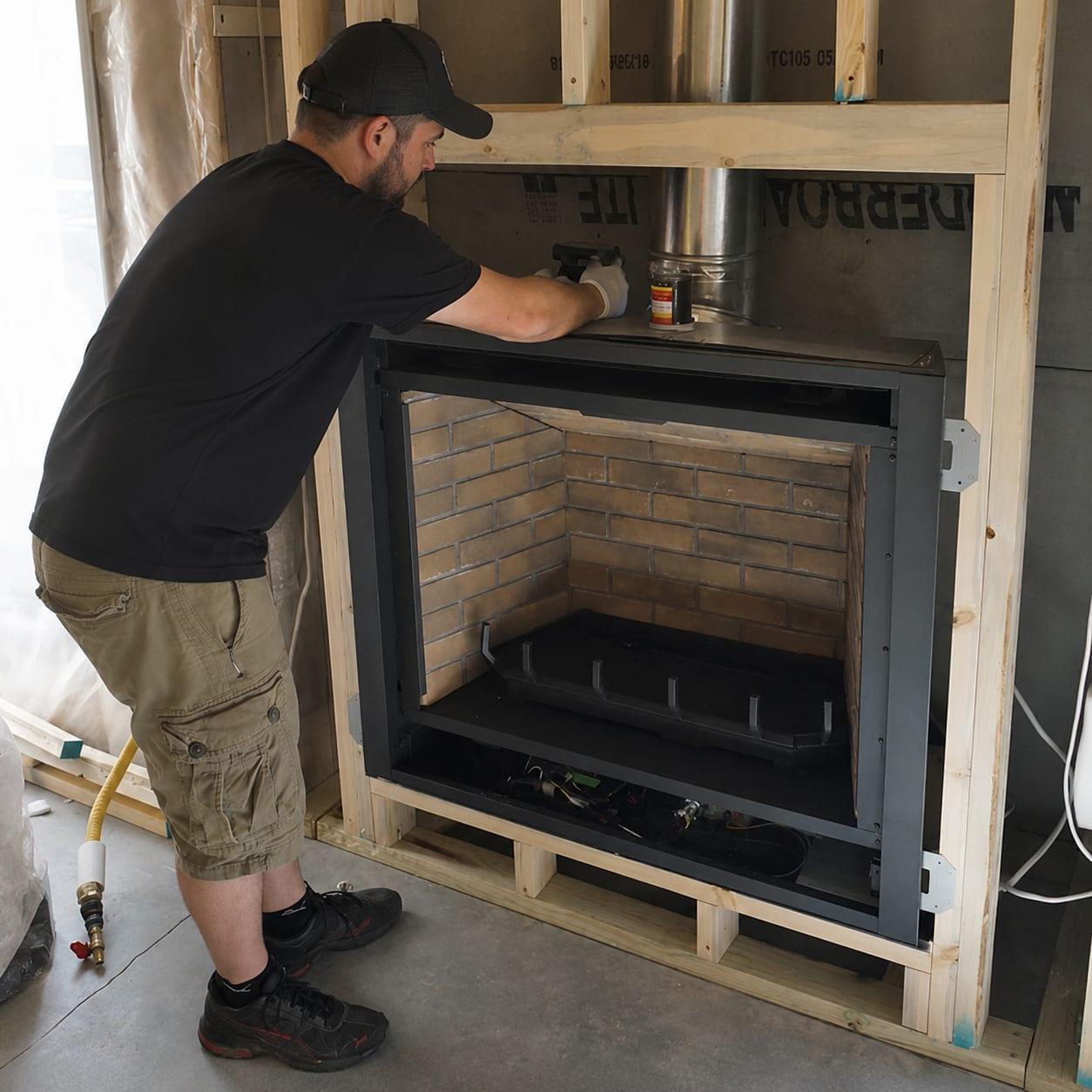
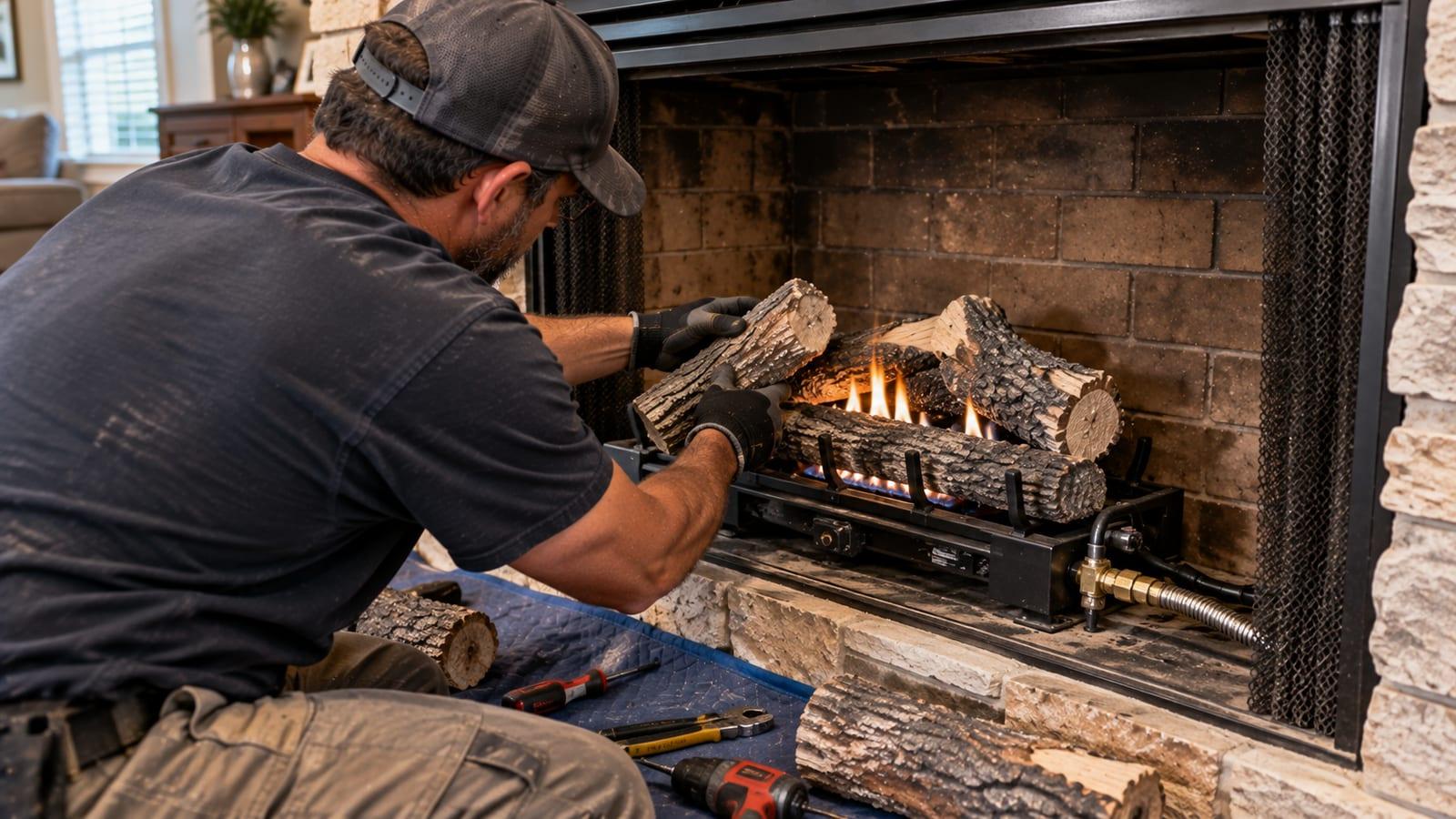
A gas fireplace is the easier everyday choice. It lights with a switch, wall control or remote, gives a steady flame, leaves no ash and needs less frequent cleaning. A wood-burning fireplace gives you a fire you build and tend yourself, with sound and scent that gas can't fully copy. In return, it asks for firewood storage, ash removal and regular chimney sweeping to keep creosote under control. Many homeowners keep the fireplace they already have and change only what burns inside it. That is what a fireplace conversion does.
| Feature | Gas | Wood-burning |
|---|---|---|
| Starting a fire | Switch, wall control or remote | Kindling, paper and time to build the fire |
| Flame and feel | Steady, even flame with realistic logs, but no crackle or wood scent | Real crackle, aroma and a flame that changes as it burns |
| Heat control | Adjustable on many units and easy to shut off | Depends on how you load and tend the fire; it burns down on its own schedule |
| Cleanup | No ash to haul out | Ash removal after use, plus soot on the firebox and doors |
| Ongoing upkeep | Periodic inspection and cleaning of the burner, pilot, glass and venting | Regular sweeping to remove creosote, plus inspection |
| Fuel | Natural gas or propane supplied to the fireplace | Dry, seasoned firewood stored outdoors |
| Main safety concerns | Gas leaks, venting problems, carbon monoxide | Creosote fires, stray sparks, carbon monoxide |
Starting a fire
- Gas
- Switch, wall control or remote
- Wood-burning
- Kindling, paper and time to build the fire
Flame and feel
- Gas
- Steady, even flame with realistic logs, but no crackle or wood scent
- Wood-burning
- Real crackle, aroma and a flame that changes as it burns
Heat control
- Gas
- Adjustable on many units and easy to shut off
- Wood-burning
- Depends on how you load and tend the fire; it burns down on its own schedule
Cleanup
- Gas
- No ash to haul out
- Wood-burning
- Ash removal after use, plus soot on the firebox and doors
Ongoing upkeep
- Gas
- Periodic inspection and cleaning of the burner, pilot, glass and venting
- Wood-burning
- Regular sweeping to remove creosote, plus inspection
Fuel
- Gas
- Natural gas or propane supplied to the fireplace
- Wood-burning
- Dry, seasoned firewood stored outdoors
Main safety concerns
- Gas
- Gas leaks, venting problems, carbon monoxide
- Wood-burning
- Creosote fires, stray sparks, carbon monoxide
If you smell gas, leave first
Gas smell: get out, then call
If you smell gas near the fireplace or anywhere in the house, get everyone out of the building right away. Don't flip light switches, use phones, or strike matches or lighters while you're inside. Once you're outside and away from the house, call your gas utility or 911.
Wait until the utility or emergency responders say the home is safe before you think about why it happened. After that, what causes gas fireplace smell explains the usual reasons.
How gas and wood compare in daily life
Heat and comfort
An open wood-burning fireplace pulls a lot of room air up the chimney, and much of the fire's heat goes with it. It feels warm up close but often does little for the rest of the room. Gas varies by type. A gas log set in an open firebox is mostly about the look. A sealed gas insert or direct-vent gas fireplace is built to send more of its heat into the room.
Upkeep for wood
Burning wood leaves creosote in the flue, and creosote is what fuels chimney fires. A wood-burning fireplace needs sweeping and inspection on a regular schedule. Cracked firebrick, a worn damper or a damaged smoke chamber should be fixed before the next season, and our wood-burning fireplace repair service handles that work.
Upkeep for gas
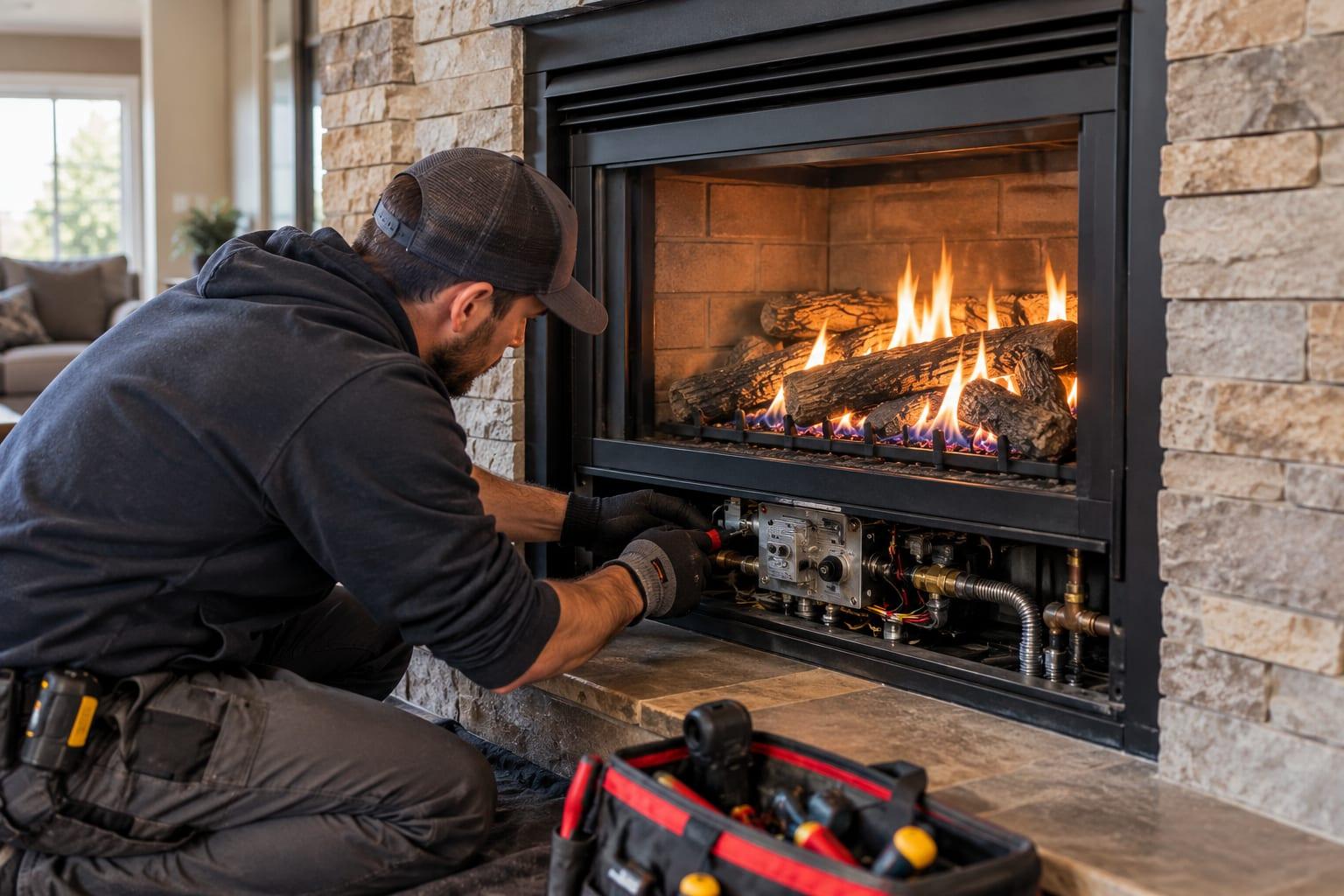
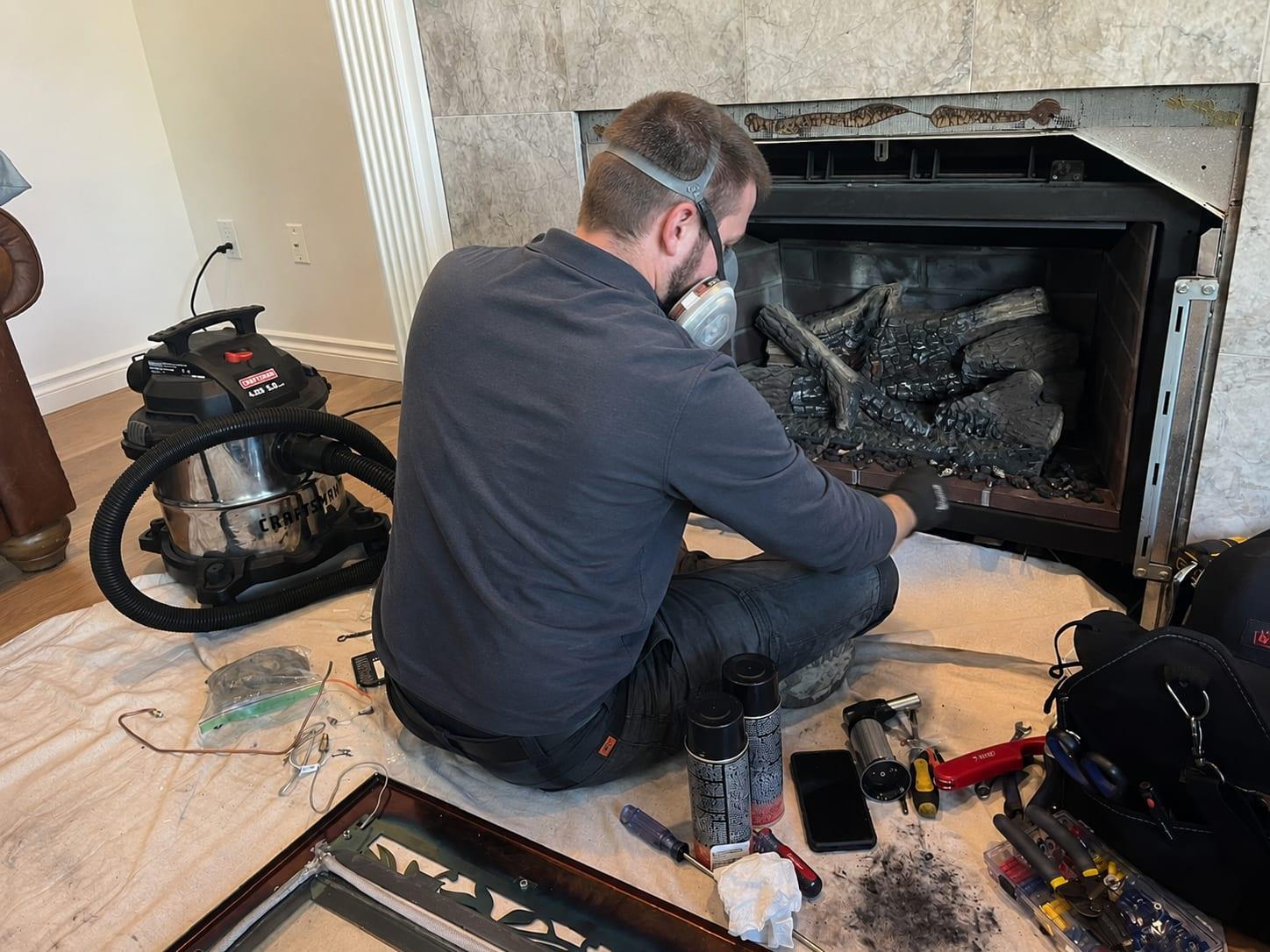
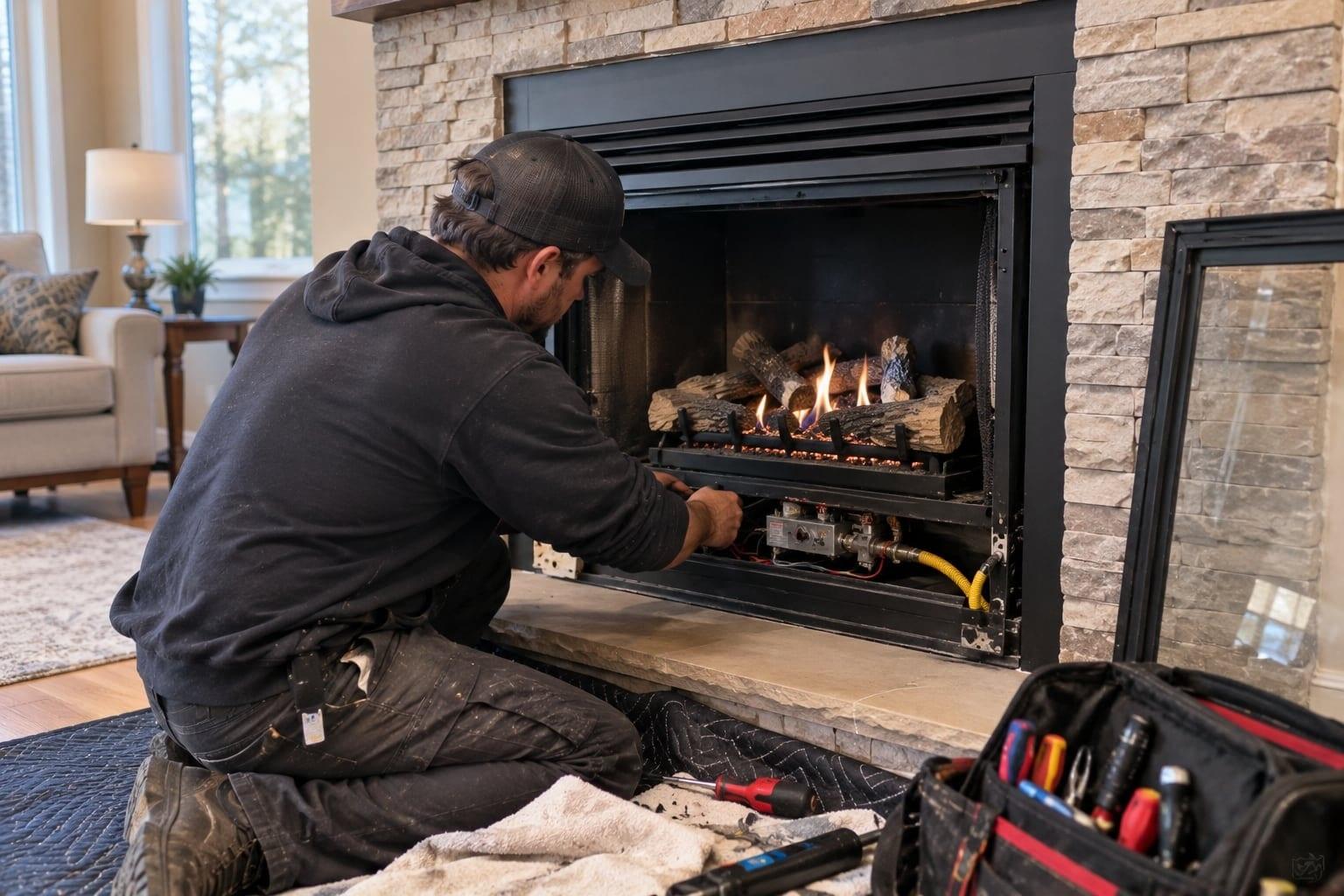
Gas doesn't produce creosote, but it isn't maintenance-free. Burners, pilot assemblies, log sets, glass and vents still collect dust, debris and residue. Knowing when a gas fireplace needs cleaning helps you stay ahead of it. If a unit stops starting, what causes a gas fireplace that won't light is a good place to begin. Faulty igniters, valves and controls are jobs for gas fireplace repair.
Safety
Neither type is automatically safe. Wood brings the risk of chimney fires from creosote and sparks landing outside the hearth. Gas brings the risk of leaks and venting problems. Either one can produce carbon monoxide if the venting isn't working, so keep working carbon monoxide detectors in the home whichever you choose.
Conversion options if you're switching to gas
| Option | What it is | Good fit when |
|---|---|---|
| Gas logs | A burner and ceramic log set placed in the existing firebox, venting up the existing chimney | You mainly want an easy, attractive flame and the chimney and firebox are sound |
| Gas insert | A sealed unit that fits into the firebox and vents through a liner run inside the chimney | You want more usable heat from the fireplace opening you already have |
| New gas fireplace | A complete built-in unit with its own venting, replacing the old fireplace or installed elsewhere | The existing fireplace is in poor shape, or you want a different style or location |
Every option needs a gas supply at the fireplace. If you plan to keep using the existing chimney for gas logs or an insert, inspect it first. For the simplest route, see how gas log installation works. For a complete new unit, see gas fireplace installation. If you're also considering an insert that doesn't burn anything, compare electric vs gas fireplace inserts.
What helps you decide
Questions to answer before choosing
- How often will you actually use it? Frequent, casual use favors gas, while occasional fires as an event can suit wood.
- Is the fire mainly for heat, for looks, or for the experience of building it?
- Do you have dry space to store firewood, and are you willing to clean out ash?
- Can natural gas be brought to the fireplace, or would you rely on propane?
- What condition are the chimney, liner, damper and firebox in right now?
- Does someone in the home want the sound and smell of real wood enough to keep up with sweeping?
A chimney you plan to keep using has to be in sound condition, for wood or gas alike. Damaged masonry or a failing liner usually needs attention before either choice makes sense.
Estimates are free if you'd like someone to look at your fireplace and talk through conversion, gas installation or wood-burning repair.